
Last updated November 17, 2026
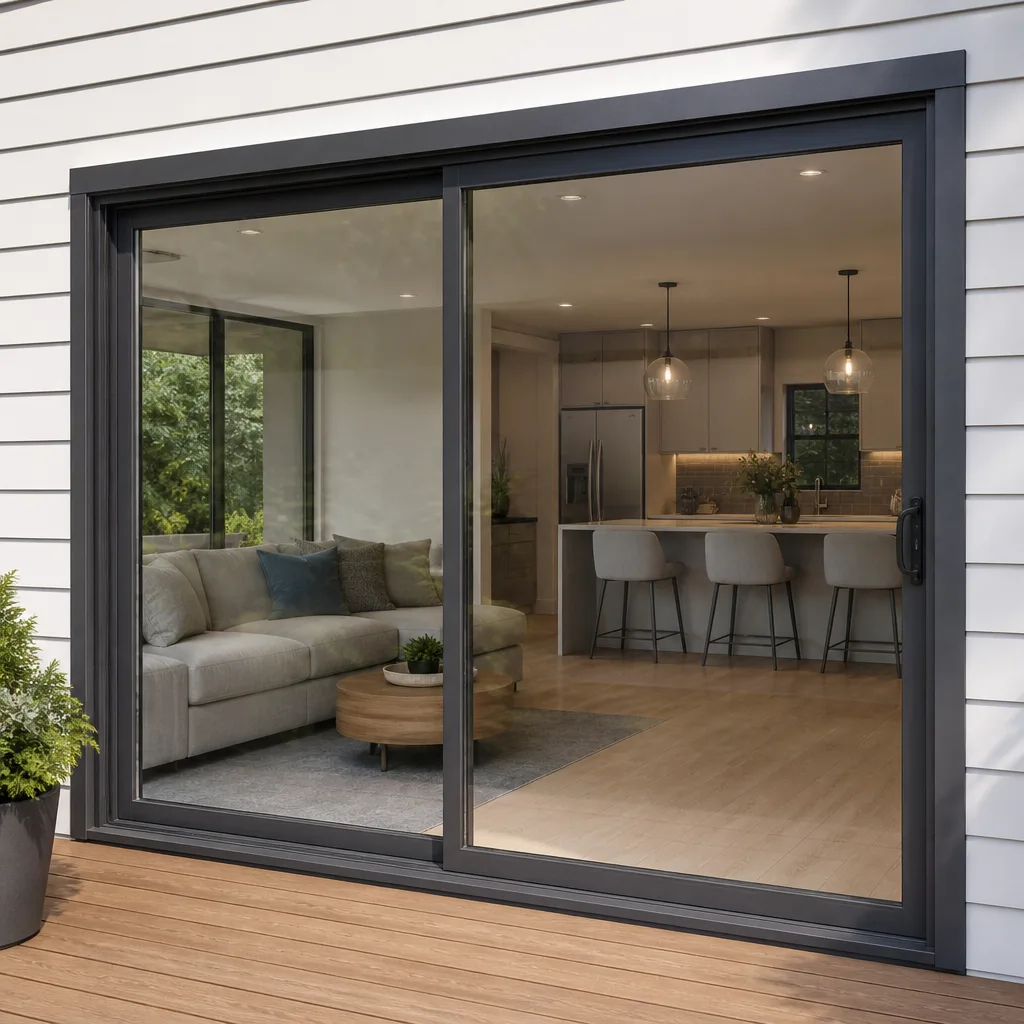 Sliding glass doors
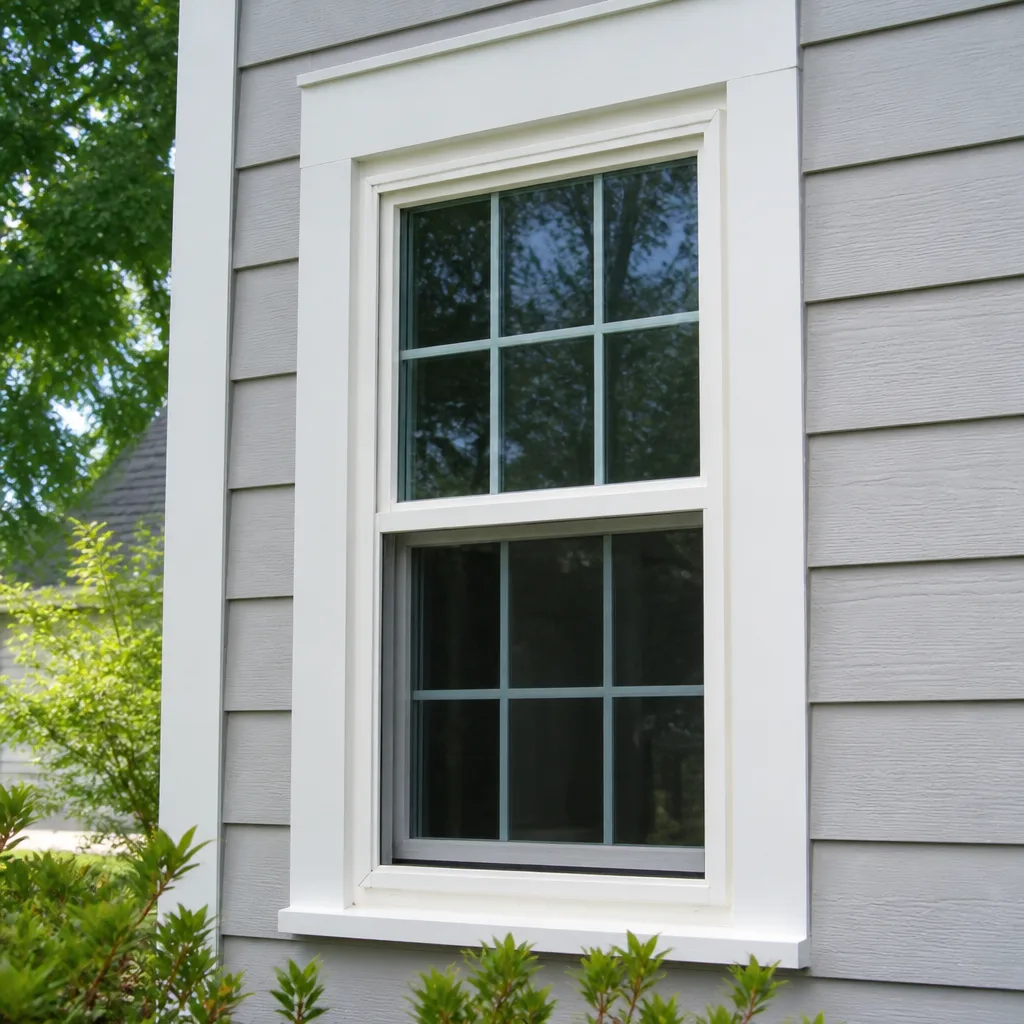 Single hung
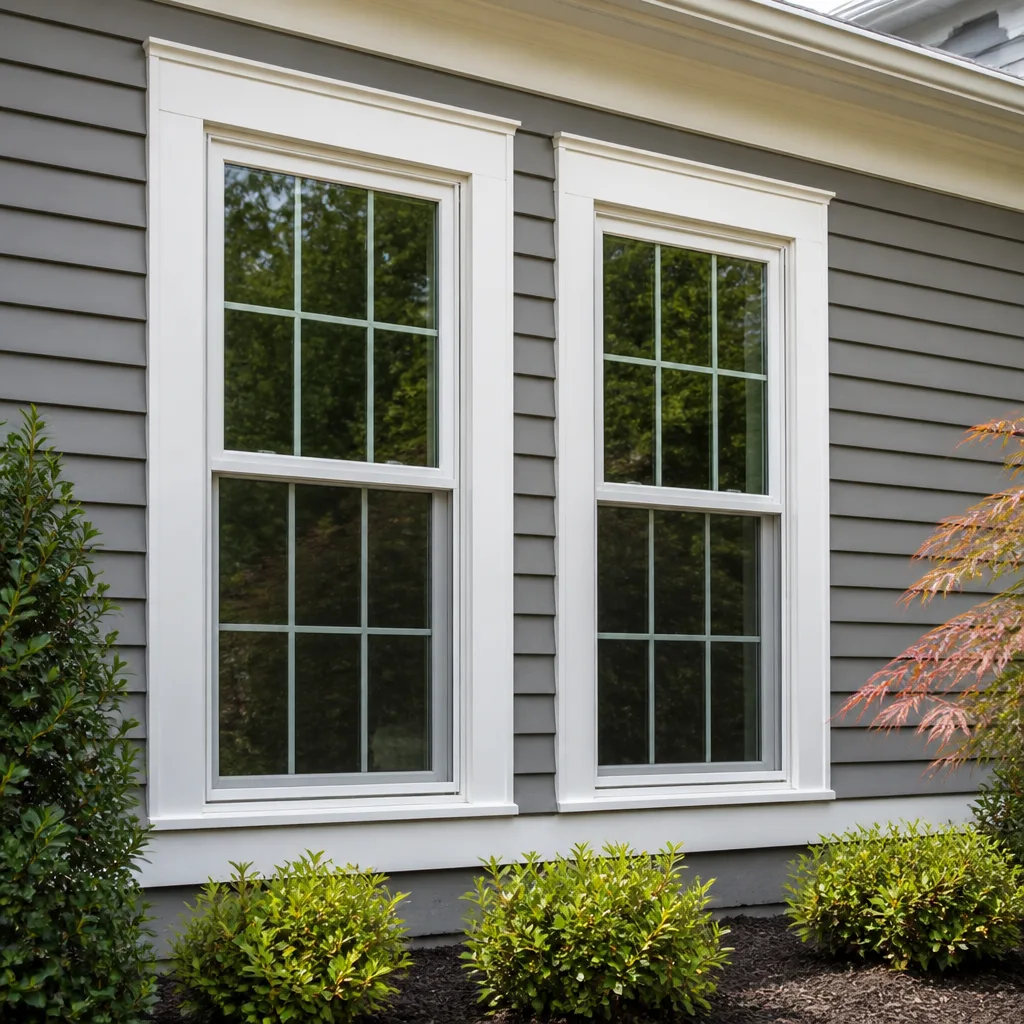 Double hung
 Horizontal roller
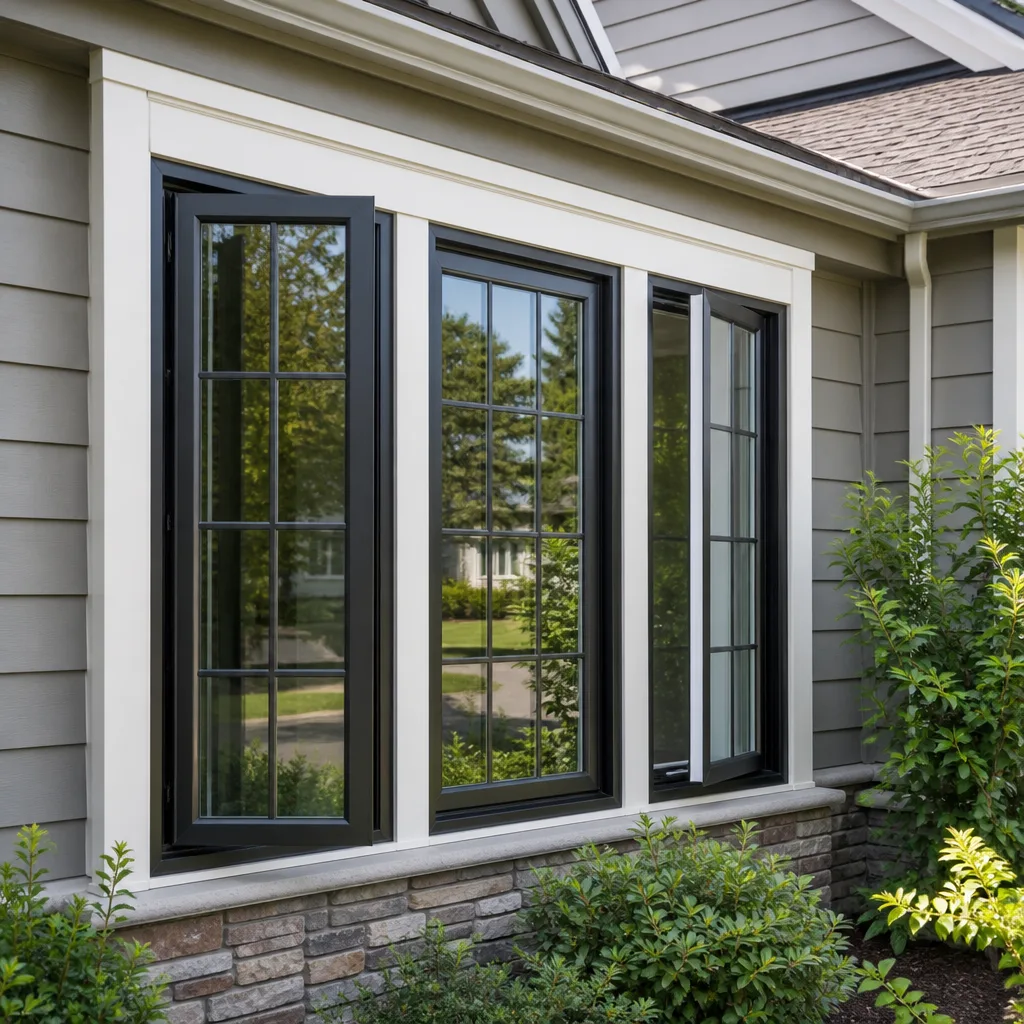 Casement
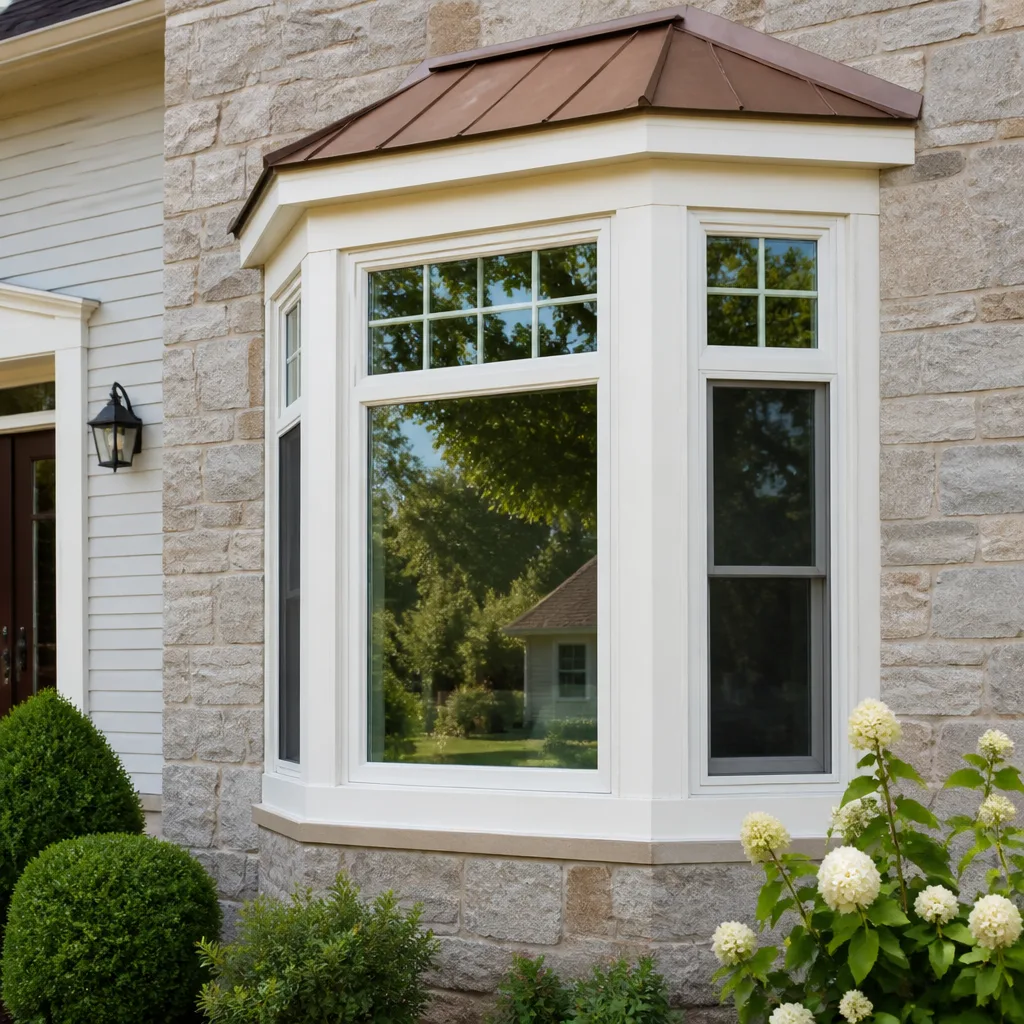 Bay & bow
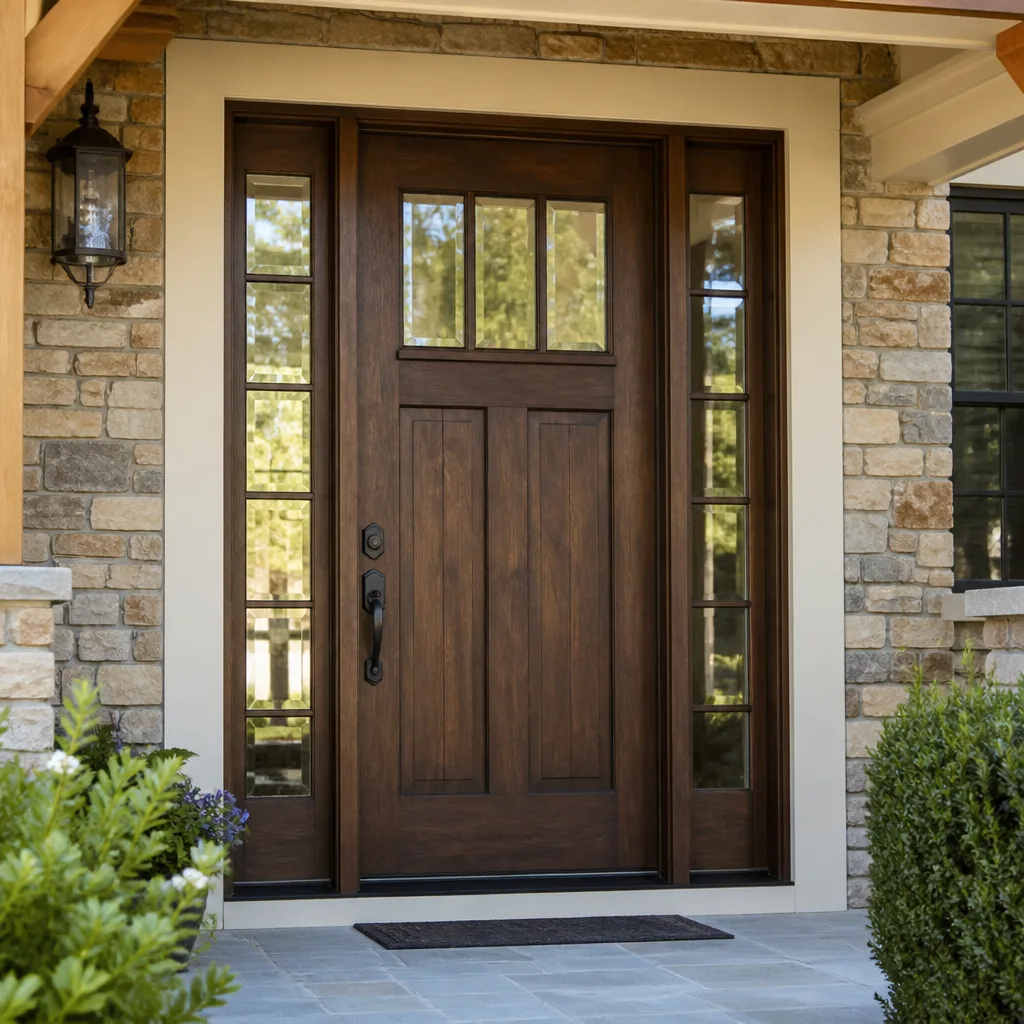 Entry doors
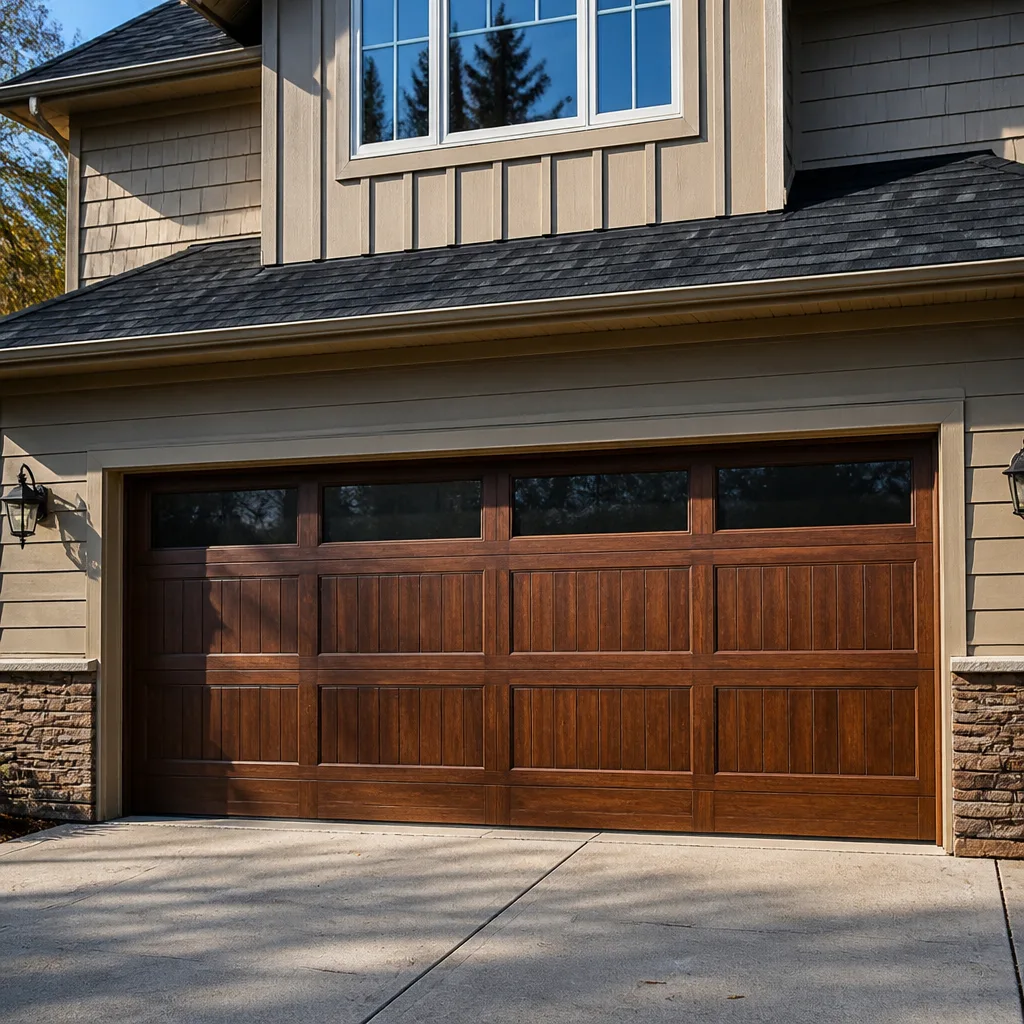 Impact garage doors
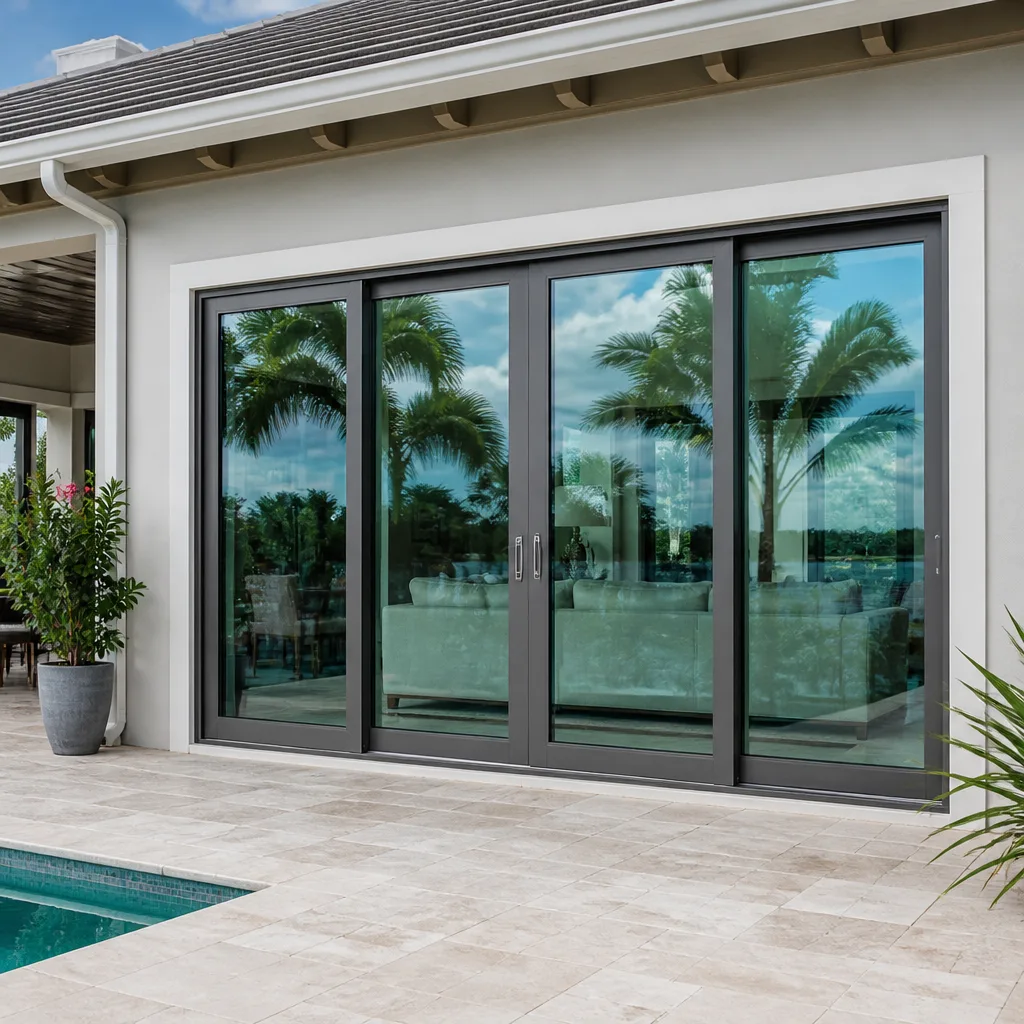 PGT
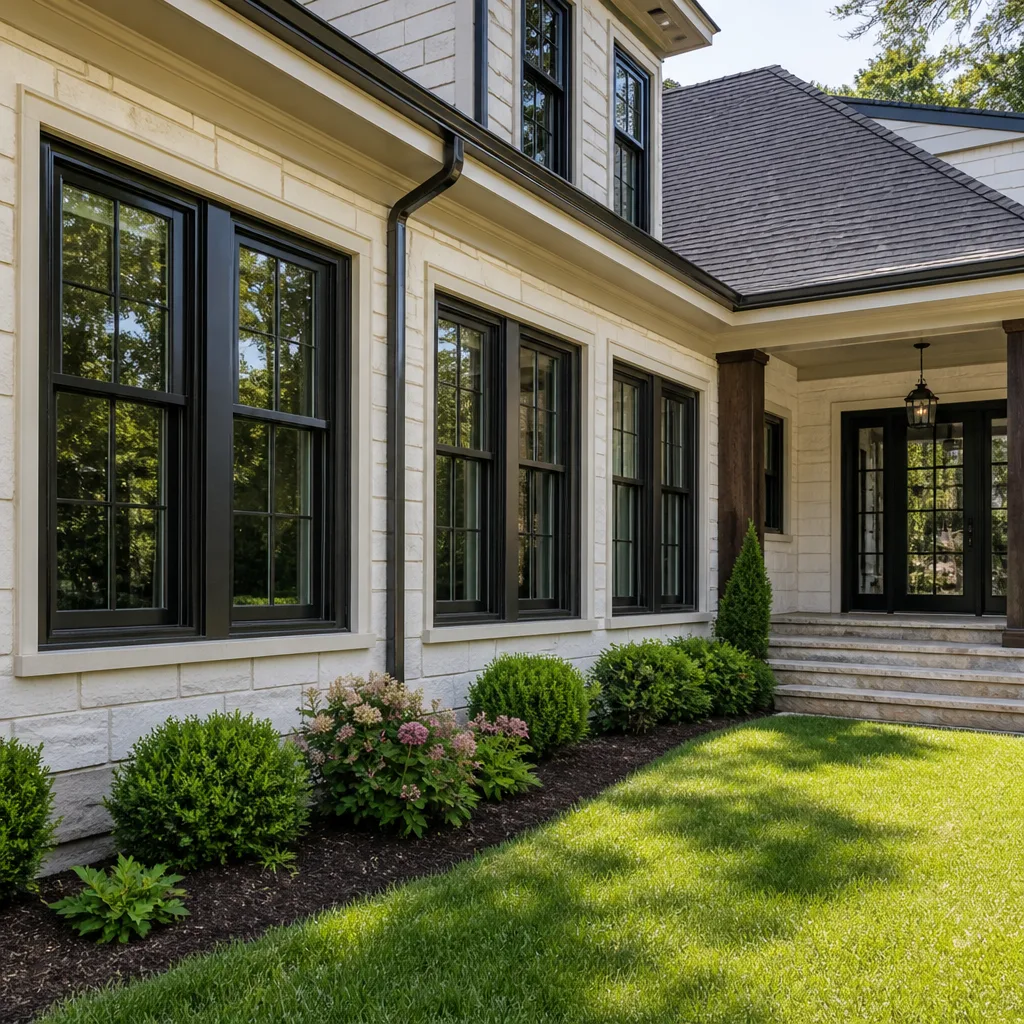 CGI
Free in-home measure and quote - PGT, CGI and CWS impact lines compared on your actual openings, style by style
Get your free estimateThe Complete Guide to Windows & Doors in Enterprise
The National Fenestration Rating Council rates windows in a lab. Enterprise’s summer attic temperatures regularly exceed 150°F – a condition no NFRC test chamber replicates. That gap between the lab and the desert is where most window and door purchases in Enterprise quietly go wrong. A unit that earns a respectable rating on a test certificate can still fail early here, because the stressors that matter most in southern Nevada – sustained UV index 11+, alkaline caliche dust, and hard-water air – don’t show up in a standard rating. This guide walks through how Clark County energy code intersects with NFRC numbers, how to specify low-e coating for west-facing glass, how frame materials actually hold up under desert UV, and what warranty registration really means. By the end you’ll know what to ask for before you sign anything.
Quick Answer
Windows and doors in Enterprise need to be selected for desert conditions, not just for a rating sticker. That means choosing frame material and low-e coating for sustained UV and west-facing sun, confirming the unit is rated for the Clark County climate zone, and making sure both manufacturer warranty layers are registered in writing. A correct specification and a careful installation matter more here than the brand name on the glass.
Styles & brands we work with
- Single hung
- Double hung
- Horizontal roller
- Casement
- Bay & bow
- Sliding glass doors
- Entry doors
- Impact garage doors
- PGT
- CGI
Table of Contents
- How Clark County’s Energy Code and NFRC Ratings Actually Intersect
- Choosing Low-E Coating for South-Facing and West-Facing Glass
- Frame Material Longevity Under Enterprise’s UV Load
- Manufacturer Warranty vs. Registered Warranty: What You Actually Own
- How Alkaline Caliche Dust Ages Weatherstrip and Glazing Seals
- The Order of Operations: Specifying, Quoting, and Installing
- A Maintenance Calendar for Enterprise Homes
- Doors in the Desert: Patio, Sliding, and Entry Systems
How Clark County’s Energy Code and NFRC Ratings Actually Intersect
NFRC ratings and Clark County’s energy code are two different things that buyers often treat as one. The NFRC label tells you a single unit’s tested U-factor, solar heat gain coefficient, and visible transmittance. The county energy code tells you what the whole assembly has to achieve for the climate zone. A window can carry a strong NFRC rating and still be the wrong choice for a west wall in Enterprise, because the rating was measured under standard conditions, not under a July afternoon in the Mojave.
Here’s what that gap means in practice. When you’re pricing a replacement or new build in Enterprise, the NFRC numbers are a starting point, not the whole picture. The code sets a floor. Your exposure, your orientation, and how much glass you’re putting on each wall determine whether that floor is high enough.
- U-factor measures how fast heat moves through the whole unit. Lower is better in both winter and summer.
- Solar heat gain coefficient (SHGC) measures how much solar heat the glass lets in. In Enterprise, low SHGC matters most on west and south glass.
- Visible transmittance measures how much daylight gets through. You can push SHGC down so far that the room feels dim, which is why the balance matters.
- Air leakage is rated separately and often overlooked. A tight unit loses less cooled air than a loose one, regardless of its U-factor.
When you request quotes in Enterprise, ask for the NFRC label values for the specific unit and the specific glazing package – not the series average. Manufacturers publish different numbers for different glass options within the same product line. A quote that lists only the series name isn’t telling you which glass you’re buying. That’s the first place a square deal gets tested, and it’s the first thing we check before we write anything down on paper.
For a closer look at how these decisions play out on a full replacement project, see our guide to window replacement in Enterprise.
Choosing Low-E Coating for South-Facing and West-Facing Glass
Low-e coating selection is where a lot of Enterprise buyers get a generic recommendation that doesn’t fit their house. The coating reduces radiant heat transfer, but not all low-e coatings work the same way, and the right choice depends on which direction the glass faces. West-facing glass in Enterprise takes the worst of the afternoon sun. South-facing glass takes steady sun all day. East-facing glass gets morning sun and cools off. North-facing glass gets almost no direct sun and mostly needs insulation value.
In our experience across Enterprise, the practical specification breaks down like this:
- West-facing: the priority is blocking solar heat gain. A lower SHGC coating earns its cost here, because afternoon sun is what drives cooling load and what stresses the glazing seal.
- South-facing: a moderate SHGC with good visible transmittance usually balances comfort and daylight. You want to keep the room bright without cooking it.
- East-facing: moderate SHGC, standard low-e is usually sufficient. Morning sun is real but brief.
- North-facing: insulation value (U-factor) matters more than solar control. A higher visible transmittance keeps the room from feeling dark.
What this means for a purchase order: don’t just write “low-e glass.” Write the actual coating designation, the SHGC target, and the orientation it applies to. If a west wall and a north wall are getting different glass, the order has to say so, unit by unit. When the glass arrives with the wrong coating on the wrong wall, the install can be perfect and the room will still be uncomfortable. We’ve seen this on installs done by others, and correcting it later costs more than specifying it correctly the first time.
- List every opening by orientation before you request quotes.
- Ask each bidder for the SHGC and U-factor of the specific glazing they’ll supply for each orientation.
- Confirm the purchase order names the coating, not just “low-e.”
- Verify the glass labels on delivery match the order before installation begins.
A window that performs in Portland will not necessarily perform in Enterprise. West-facing glass is where that difference bites hardest.
Frame Material Longevity Under Enterprise’s UV Load
Enterprise sits under a UV index that regularly hits 11 in summer, and that intensity does more to frame materials over time than any single storm. The three materials most homeowners weigh – vinyl, fiberglass, and aluminum-clad wood – age differently under that load. Knowing how each one behaves over twenty years in this climate is the difference between a frame that still operates smoothly and one that’s chalked, warped, or corroded.
Vinyl is the most common choice in Enterprise for good reason: it doesn’t rot, it doesn’t need painting, and a quality extrusion holds color reasonably well. But not all vinyl is equal. Thin-walled vinyl can distort under sustained heat on a west wall, and lower-grade vinyl chalks and yellows faster under UV. A heavier extrusion with a good UV stabilizer package is worth the difference in price. Vinyl is also the most affordable path to a correctly rated unit, which is why it dominates the middle of the market.
Fiberglass holds its shape better than vinyl under heat and expands and contracts less, which keeps the frame tighter over time. It takes paint and stain finishes and resists UV degradation well. The tradeoff is cost and fewer installers who handle it confidently. For a west-facing wall with large glass, fiberglass earns its premium in Enterprise.
Aluminum-clad wood puts a wood interior behind an aluminum exterior. The aluminum cladding handles the UV and the weather, and the wood gives you the interior look. The critical detail is the finish on the aluminum: a lower-grade finish can chalk and fade under our UV load, while a properly finished cladding holds up. These units cost the most, and they make sense when the interior appearance matters as much as the performance.
- Vinyl: best value, watch extrusion quality on west walls.
- Fiberglass: best dimensional stability under heat, higher cost.
- Aluminum-clad: best interior appearance, demands a quality exterior finish.
Whatever the material, the install is what keeps it performing. A well-made unit installed out of true will bind and leak regardless of its frame. That’s the standard we hold on every window installation in Enterprise: if the pane is not true, the job is not done.
Manufacturer Warranty vs. Registered Warranty: What You Actually Own
Most homeowners assume the warranty on their windows is active the moment the units are installed. It usually isn’t. Manufacturers typically offer two coverage layers – one on the unit itself and one on the glass or seal – and both often require registration within a set window after installation. An unregistered unit leaves you holding a piece of paper that looks like a warranty but isn’t one, and when a seal fails at year six, the recourse you thought you had can quietly vanish.
In our experience, this is one of the most common gaps in Enterprise. Homeowners who bought windows years ago find out at the worst possible moment that the paperwork was never filed. The unit was fine. The registration wasn’t. The fix would have taken fifteen minutes at the time.
This is why we built The Keystone Standard around it: both manufacturer warranty layers are registered in writing, with the durations stated, before the truck leaves the driveway. Not “we’ll take care of it” – a written record in your hands. That’s the difference between a warranty that exists and a warranty you can use.
- Before signing, ask which warranty layers apply and what each one covers.
- Ask for the exact registration deadline for each layer.
- Confirm who files the registration and when you’ll receive proof.
- Keep the written registration with your closing documents or home file.
Pair the registration with a workmanship commitment and you have actual coverage. Our 90-Day Done Right Promise covers the work itself: if something isn’t done right, we make it right, without a paperwork fight. Both pieces matter – the manufacturer covers the product, and the installer covers the install.
How Alkaline Caliche Dust Ages Weatherstrip and Glazing Seals
Enterprise homes sit in a landscape built on caliche, and the alkaline dust that comes off it does quiet, patient damage to the parts of a window you never see. Caliche dust is fine, mineral-rich, and mildly alkaline. When it settles into weatherstrip channels and glazing edges, it doesn’t just sit there. It works its way into the small gaps, holds a little moisture against the seal during the cooler months, and slowly breaks down the flexible materials that keep the unit airtight.
In our experience, the failure pattern in Enterprise is predictable. Weatherstrip gets stiff and brittle first, usually at the bottom of the frame where the dust collects. Then the glazing seal at the edge of the glass starts to fail, and that’s when you see fogging between the panes. The unit is still structurally sound, but the insulating gas is gone and the seal is compromised.
The maintenance interval that fits Enterprise is not the same as a coastal or northern climate. Twice a year works for most homes here, and the timing matters:
- Spring (before the heat builds): clean weatherstrip channels, check the seals, and clear any dust from tracks and weep holes.
- Fall (before the dust season settles in): repeat the check, look for any fogging or stiffness, and lubricate door and window hardware.
A light cleaning with a damp cloth and mild soap handles most of it. What you’re really looking for is change – a seal that was soft last spring and is stiff this fall, or a pane that’s started to hold condensation. Catching either one early is cheaper than catching it late. Our door installation in Enterprise customers hear the same advice about thresholds and seals, because doors take the same dust load at the bottom edge.
The Order of Operations: Specifying, Quoting, and Installing
A window or door project goes sideways in the order of the steps, not in the quality of any single part. Enterprise homeowners who get good outcomes tend to follow the same sequence: measure, specify, compare side by side, before anything is ordered. Skipping a step is where a job that should be straightforward turns into a callback.
- Measure every opening twice. Not once. Openings in older Enterprise homes are rarely square, and a measurement taken at the top of the frame can differ from the bottom. We measure twice on every opening before we quote.
- Specify by orientation and material. Decide the glazing for each wall and the frame material before you shop. This is the step from the low-e section above, applied to the whole house.
- Get side-by-side quotes on paper. We quote manufacturer lines next to each other so the homeowner sees exactly what they’re buying at each price point. A single number on a single line tells you nothing about what you’re comparing.
- Confirm the order matches the specification. The purchase order should name the coating, the frame material, and the unit per opening. Verify labels on delivery.
- Install to true. Level, plumb, square, and sealed. Most jobs are completed in a single visit, with the install checked before the crew leaves.
- Register both warranty layers in writing. Before anyone drives away.
This is where a TruePane Windows & Doors Enterprise home visit differs from a typical quote. We measure twice, quote the actual specification, and register the warranties before the truck leaves. That’s the whole point of the process – a job that’s right the first time doesn’t need a second visit.
A Maintenance Calendar for Enterprise Homes
Windows and doors in Enterprise don’t need much, but what they need has to happen on a schedule. The dust, the heat, and the UV do their work slowly, and a home that’s kept to a simple two-season rhythm tends to get twenty years out of a good unit.
Each spring: clean the exterior glass and frames, clear weep holes and tracks, inspect weatherstrip for stiffness, and check the caulk and sealant at the exterior edges. Sun and heat are hardest on exterior caulk lines, and a hairline crack is an easy fix before summer.
Each fall: repeat the weatherstrip and track check, look for any fogging between panes, lubricate window and door hardware, and test that every unit opens, closes, and latches smoothly. A door that binds in the fall is telling you something the summer heat set off.
Every few years: have a technician check the glazing seals and the hardware on larger or higher units. This is not a job for a homeowner on a ladder – glass is heavy, and working at height on a window or door that may not be fully secure is a genuine safety risk. A trained technician has the equipment and the training to do it safely.
The same schedule applies to our door installation in Enterprise work, because thresholds and seals take the same dust load. Put the two dates on your calendar and the rest takes care of itself.
Doors in the Desert: Patio, Sliding, and Entry Systems
Doors in Enterprise carry a different set of demands than windows. A sliding patio door, for example, has a large glass area and a track that collects caliche dust at the bottom – both problems at once. The track has to stay clear or the door will start to drag, and the glass has to be specified for the same solar control as any window on that wall. Entry doors face the same UV and the same dust, and the finish has to hold up.
What we see in Enterprise doors that fail early comes down to two causes. The first is a threshold that wasn’t set level, so the door binds as the seasons change. The second is a finish or seal that wasn’t rated for our UV and dust. A wood door with a marginal exterior finish will check and fade faster here than in a milder climate. A properly finished door, installed square with a good threshold seal, lasts.
Patio and sliding doors are also where people underestimate the value of specifying the glass. A sliding door on a west wall is the largest single piece of glass in many Enterprise homes. If the glass wasn’t specified for that exposure, the room cooks regardless of how well the door is installed. We quote these the same way we quote windows – by orientation, with the glazing named on the order.
Manufacturer lines like PGT and CGI both offer door systems built for the climate, and we compare them side by side on paper. The right answer for your home depends on the opening, the exposure, and how the door is used. That’s a conversation worth having before you order, not after.
Common Mistakes to Avoid
- Buying on the series average, not the actual glass. Two units in the same product line can carry different ratings with different glazing. Ask for the NFRC values of the specific glass you’re getting, not the series name on the brochure.
- Assuming the warranty is active. Both manufacturer warranty layers often require registration after installation. An unregistered unit leaves you without recourse when a seal fails years later. Confirm in writing who files it and when.
- Using a single low-e specification on every wall. West-facing glass in Enterprise needs different solar control than north-facing glass. One coating for the whole house is a common shortcut that costs comfort.
- Skipping the second measurement. Older Enterprise homes are rarely square at the opening. A single measurement, taken once, is the most common source of a door that binds or a window that leaks at the frame.
- Ignoring the dust. Weatherstrip and tracks that aren’t cleaned twice a year stiffen and fail faster. This is the cheapest maintenance on the whole house and the most commonly skipped.
- Choosing a thin-walled vinyl on a west wall. The heat load on a west-facing wall in this climate will distort a lighter extrusion over time. Heavier builds hold their shape.
- Hiring on price alone. The cheapest bid is usually the one that cuts the measurement, the specification, or the warranty registration. The cost shows up later, and it’s rarely small.
See the difference
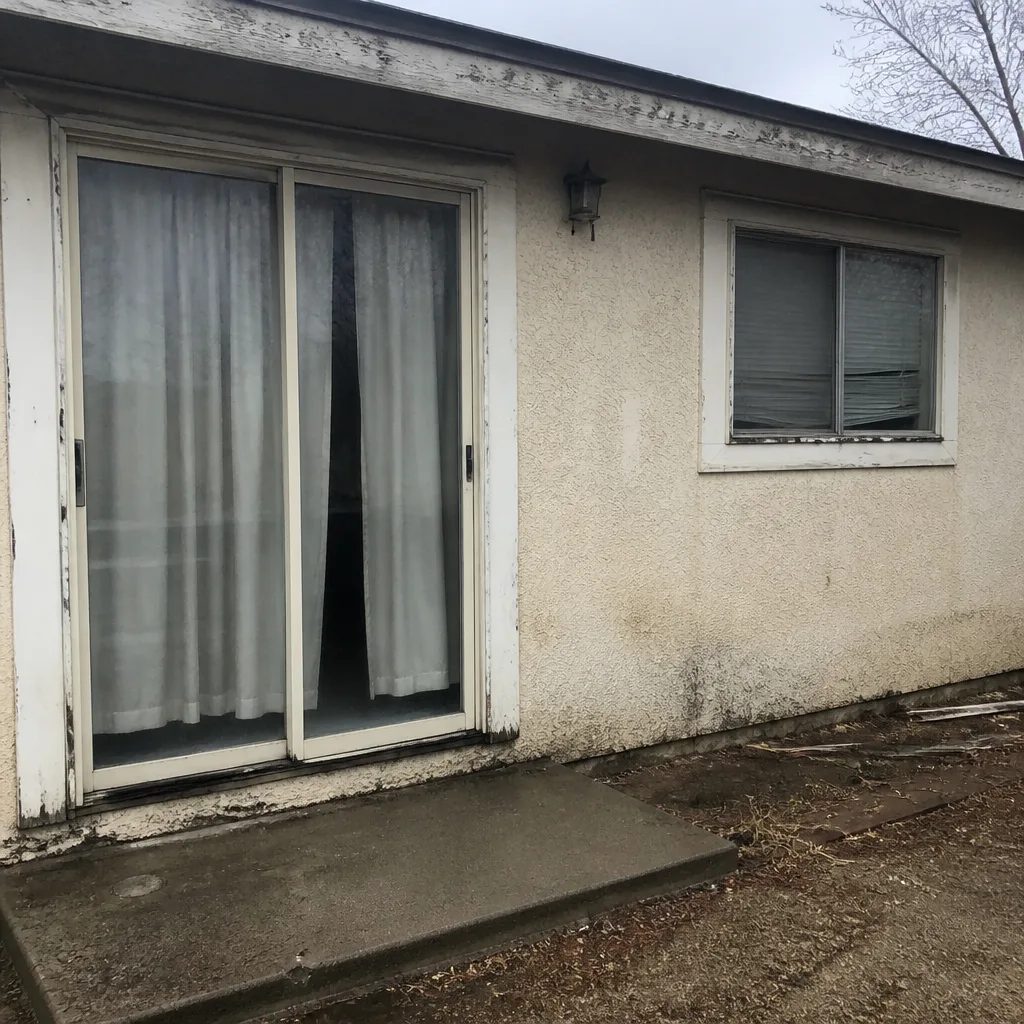 Before
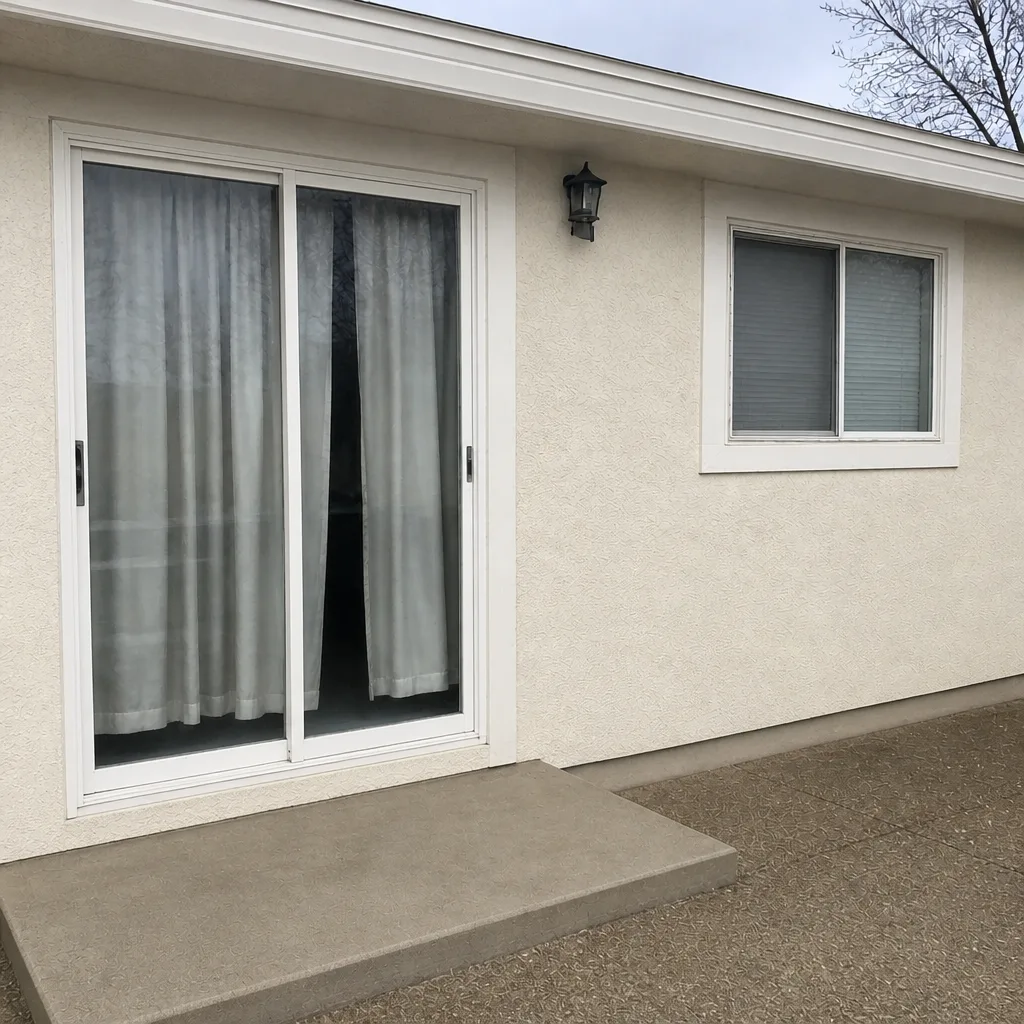 After
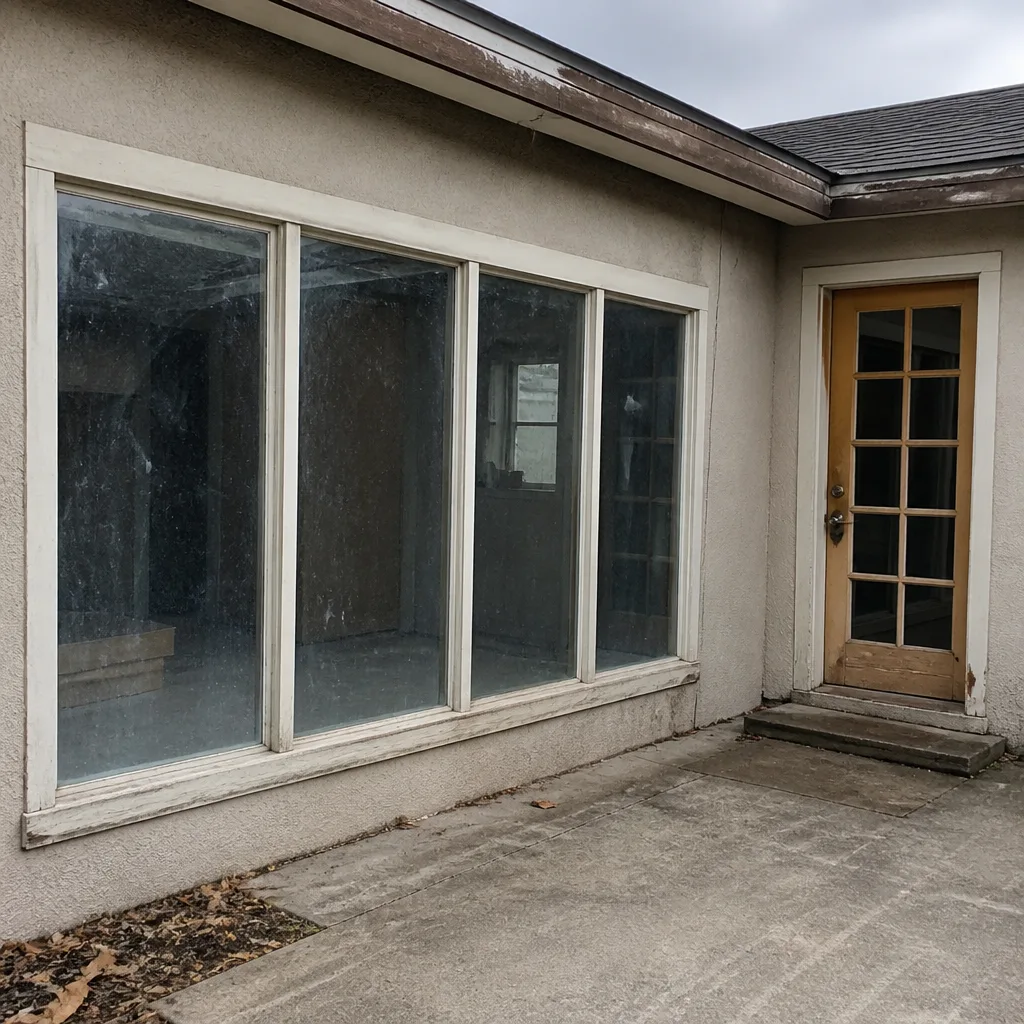 Before
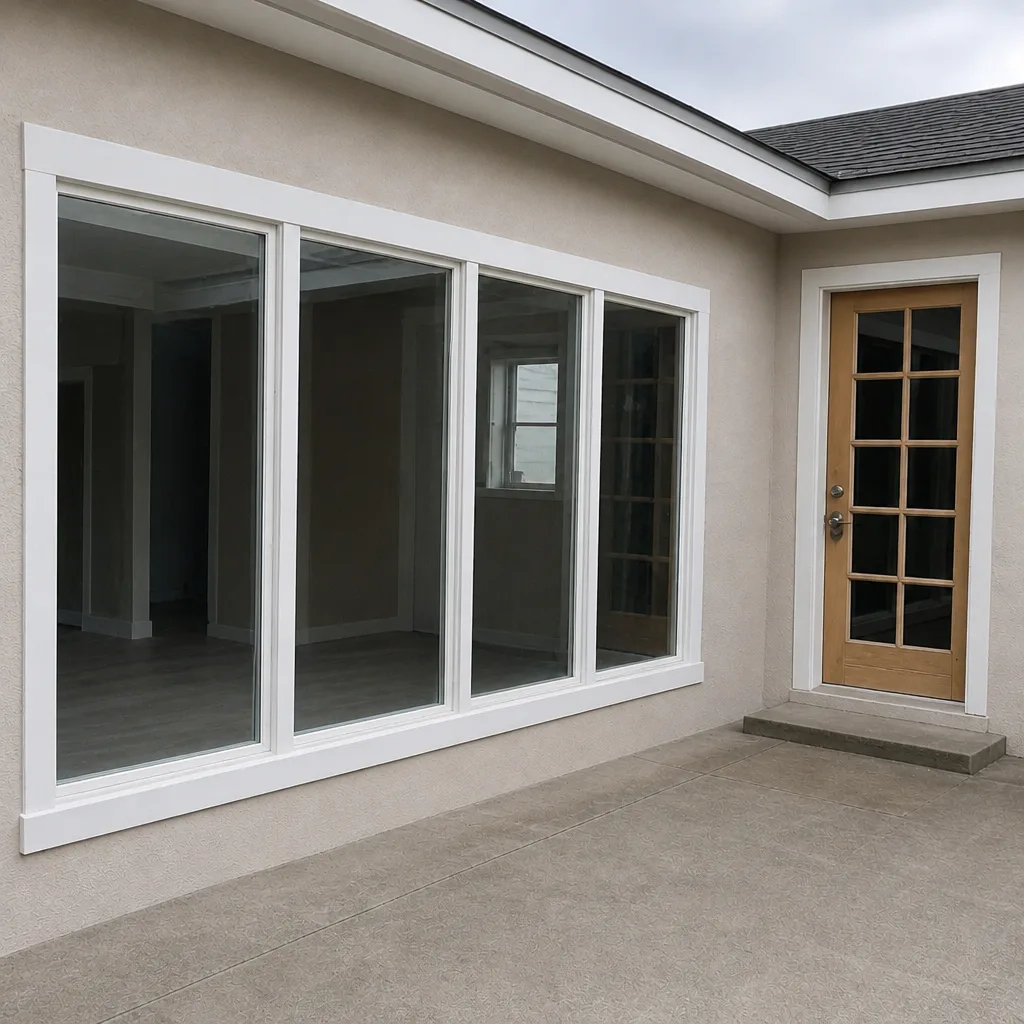 After
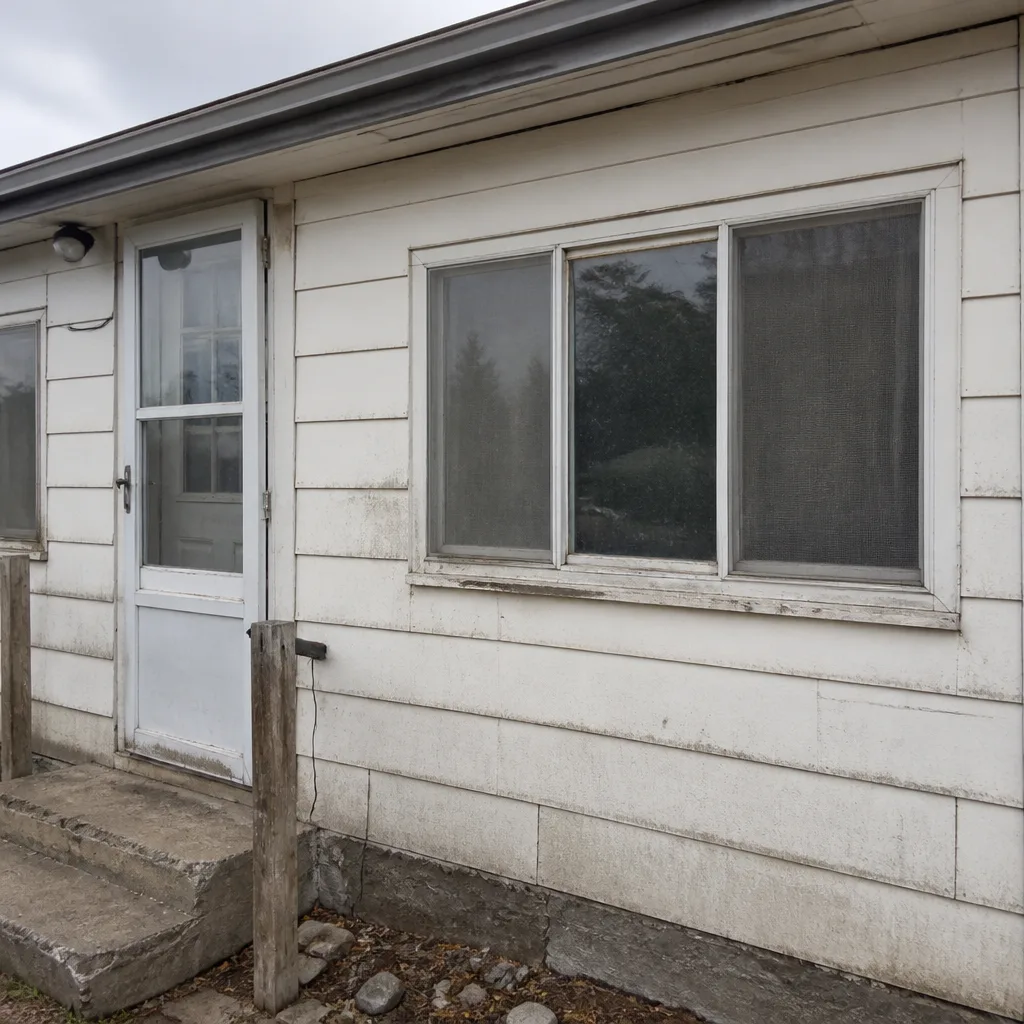 Before
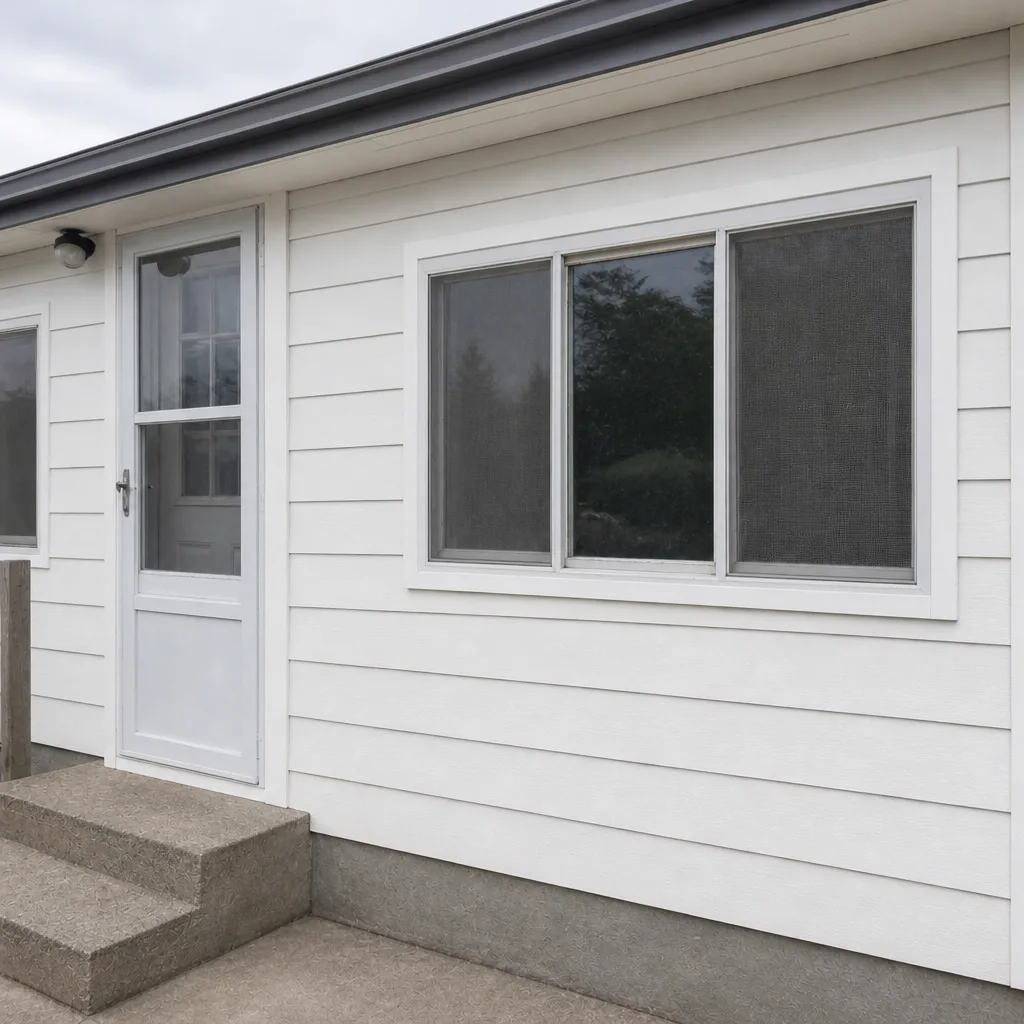 After
When to Call a Professional
Some window and door work is genuinely a job for a trained technician, not a weekend project. Fogging between the panes means the glazing seal has failed and the unit needs to be replaced – that’s a professional replacement. A door that binds or won’t latch as the seasons change usually points to a threshold or frame that’s out of true, which needs measurement and adjustment. Any work on a second-story or high window should be handled by a technician with the right equipment; glass is heavy, and working at height on a window that may not be secure is a real hazard. A failed seal or weatherstrip that’s been letting water in needs a professional eye before the damage spreads. TruePane Windows & Doors Enterprise offers free estimates in Enterprise – call (844) 629-7617 to schedule yours.
Frequently Asked Questions
Windows with the right frame material and glazing for desert conditions work best in Enterprise. That means a frame that holds up under sustained UV – heavier vinyl, fiberglass, or aluminum-clad – and low-e glass specified by the orientation of each wall, with lower solar heat gain on west-facing glass. The specification matters more than the brand.
Low-e glass is worth it on most windows in Enterprise, but the specific coating should vary by orientation. West-facing glass needs stronger solar control than north-facing glass, which mainly needs insulation value. Specifying one coating for the whole house is a common shortcut that costs comfort.
A manufacturer’s warranty is the coverage a company offers. A registered warranty is one that’s been formally filed with the manufacturer, which is what activates the coverage and gives you recourse if something fails. An unregistered unit can leave you without recourse even though the warranty document exists. We make sure both layers are registered in writing before the truck leaves.
Twice a year works for most Enterprise homes – once in spring before the heat builds and once in fall. Alkaline caliche dust stiffens weatherstrip and wears at glazing seals, so cleaning the tracks and checking the seals on a two-season schedule catches most problems early.
Permit requirements depend on the scope of the work, and we’ll tell you upfront what your project needs. We handle the permitting the job requires and stand behind the installation with our 90-Day Done Right Promise. Call (844) 629-7617 for a free estimate and we’ll walk through the requirements for your home.
Most jobs in Enterprise are completed in a single visit. The timeline depends on the number of openings, the material, and whether any structural work is involved. We measure twice and confirm the specification before ordering, which is what keeps the install to one visit whenever possible.
The Bottom Line
Windows and doors in Enterprise fail for reasons a generic guide won’t tell you about. The UV load, the alkaline dust, and the heat at the glass are the stressors that matter, and they’re the reason a correct specification – frame material, glazing by orientation, and warranty registration in writing – determines whether a unit lasts or fails early. Get the specification right, measure twice, and confirm the warranty is registered. Do that and the desert stops being the problem. Call (844) 629-7617 for a free estimate, and we’ll compare manufacturer lines side by side on paper so you see exactly what you’re buying.
Written by the team at TruePane Windows & Doors Enterprise.