
Last updated November 17, 2026
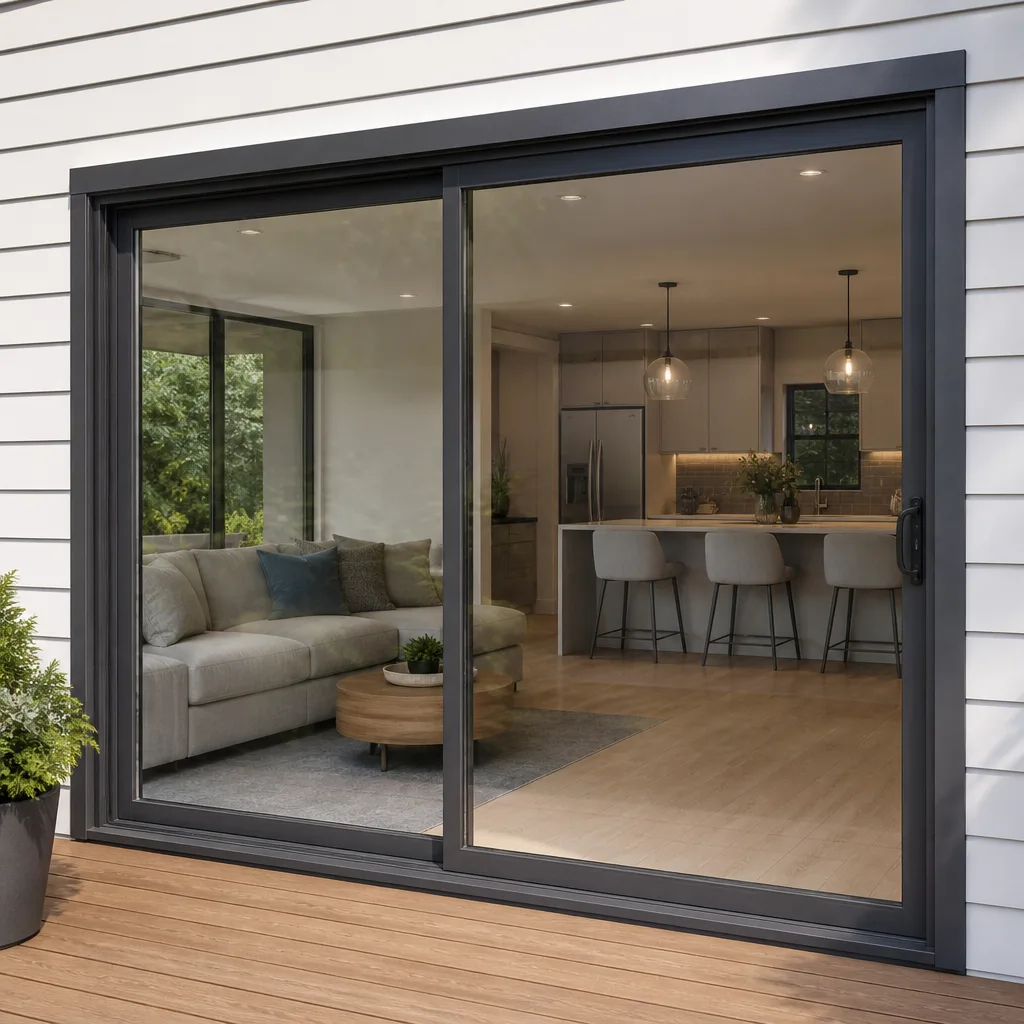 Sliding glass doors
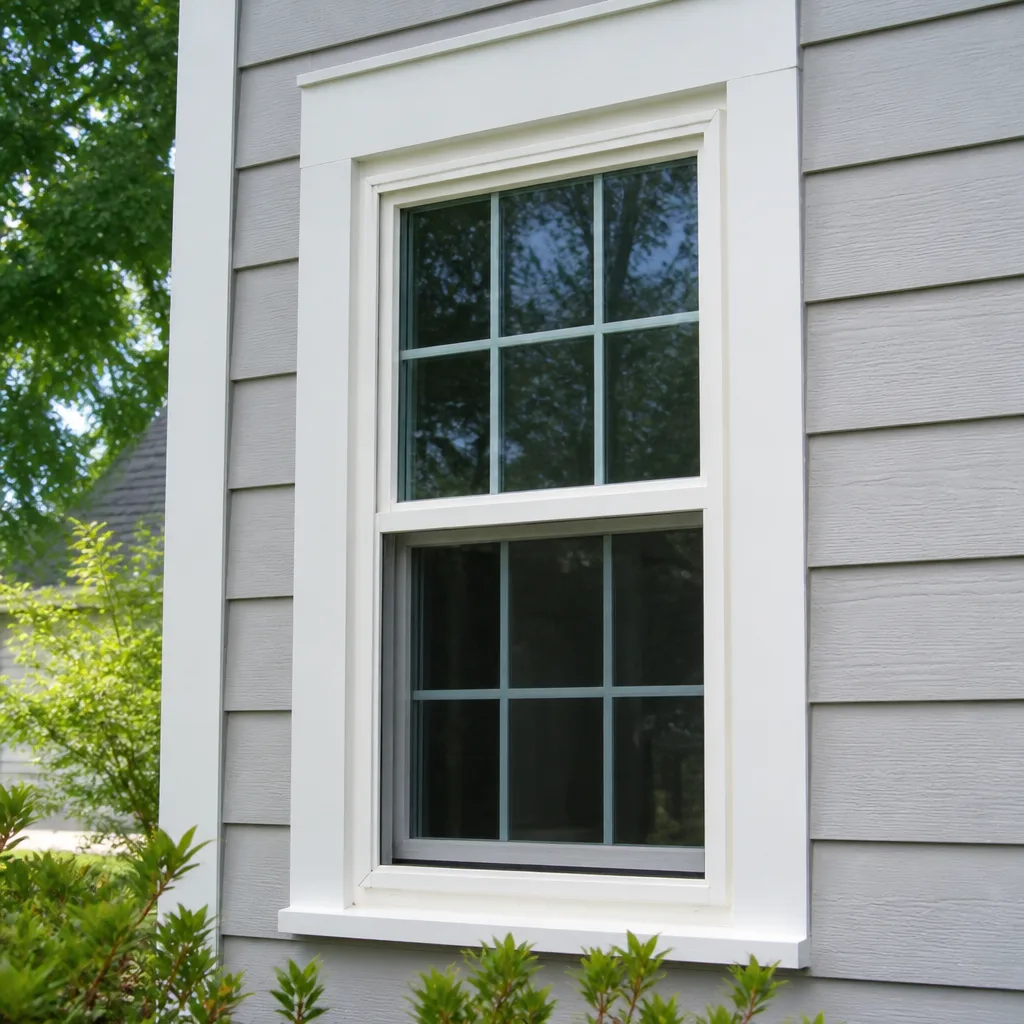 Single hung
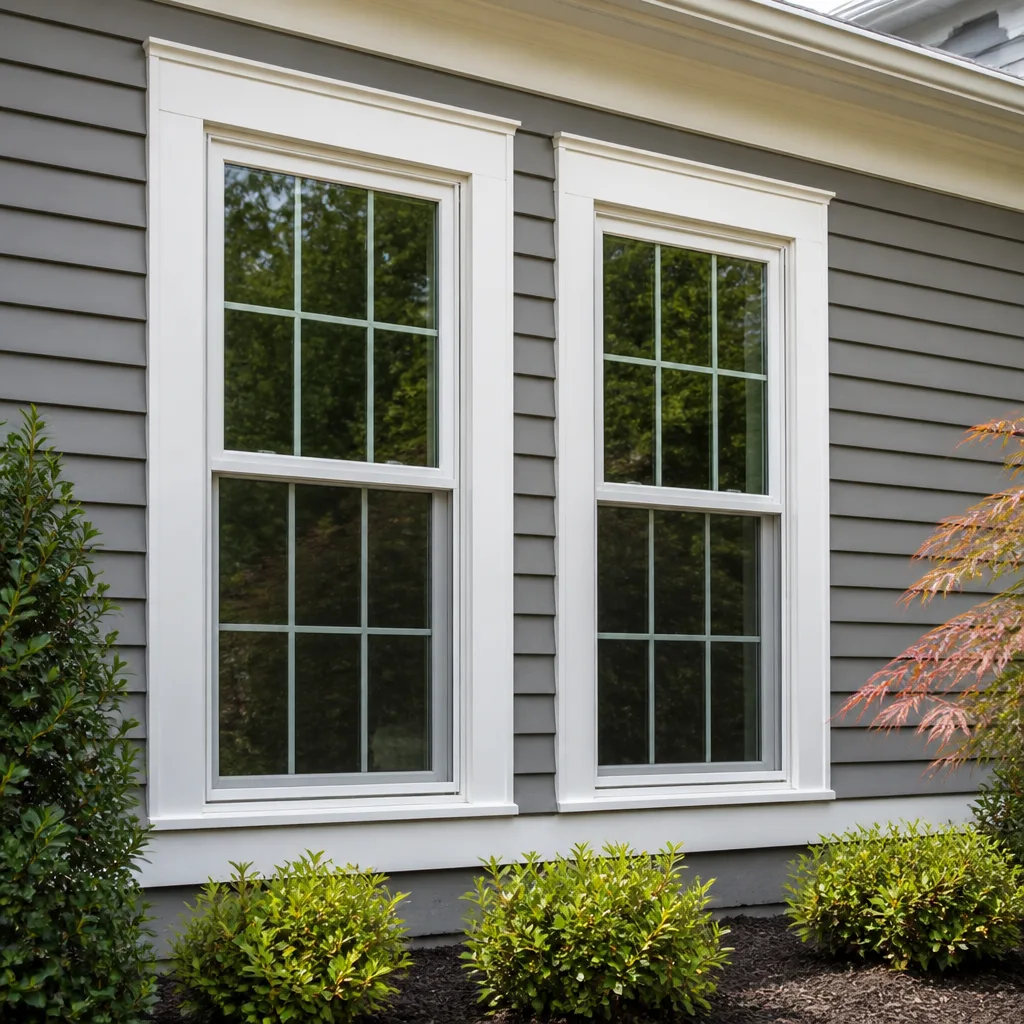 Double hung
 Horizontal roller
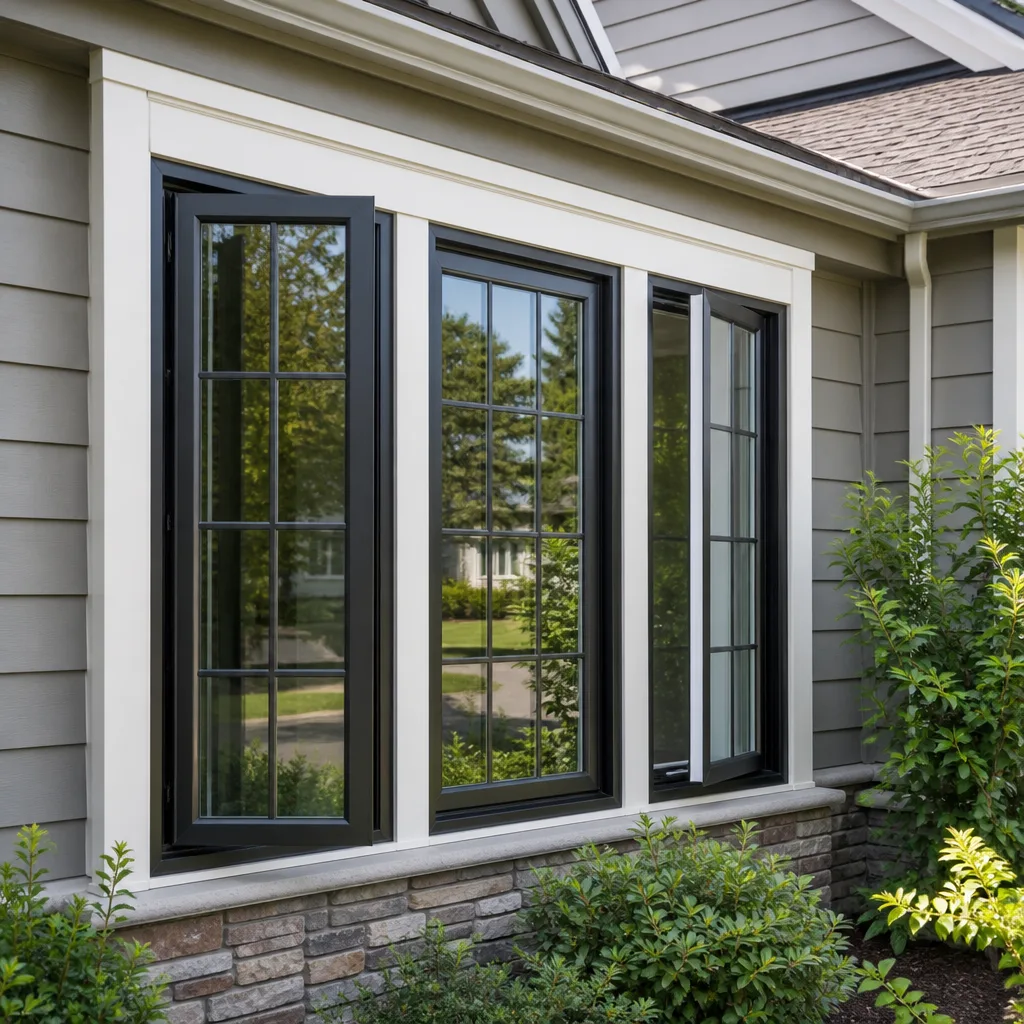 Casement
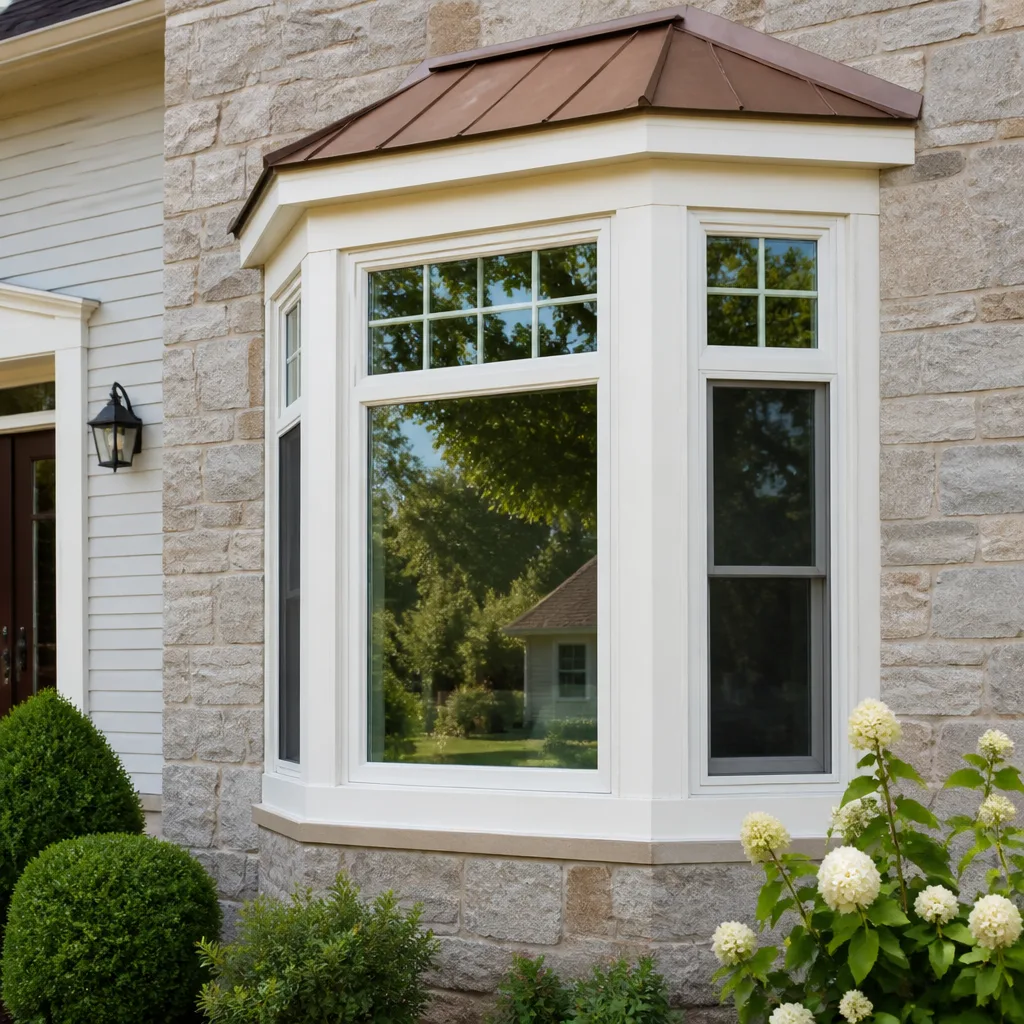 Bay & bow
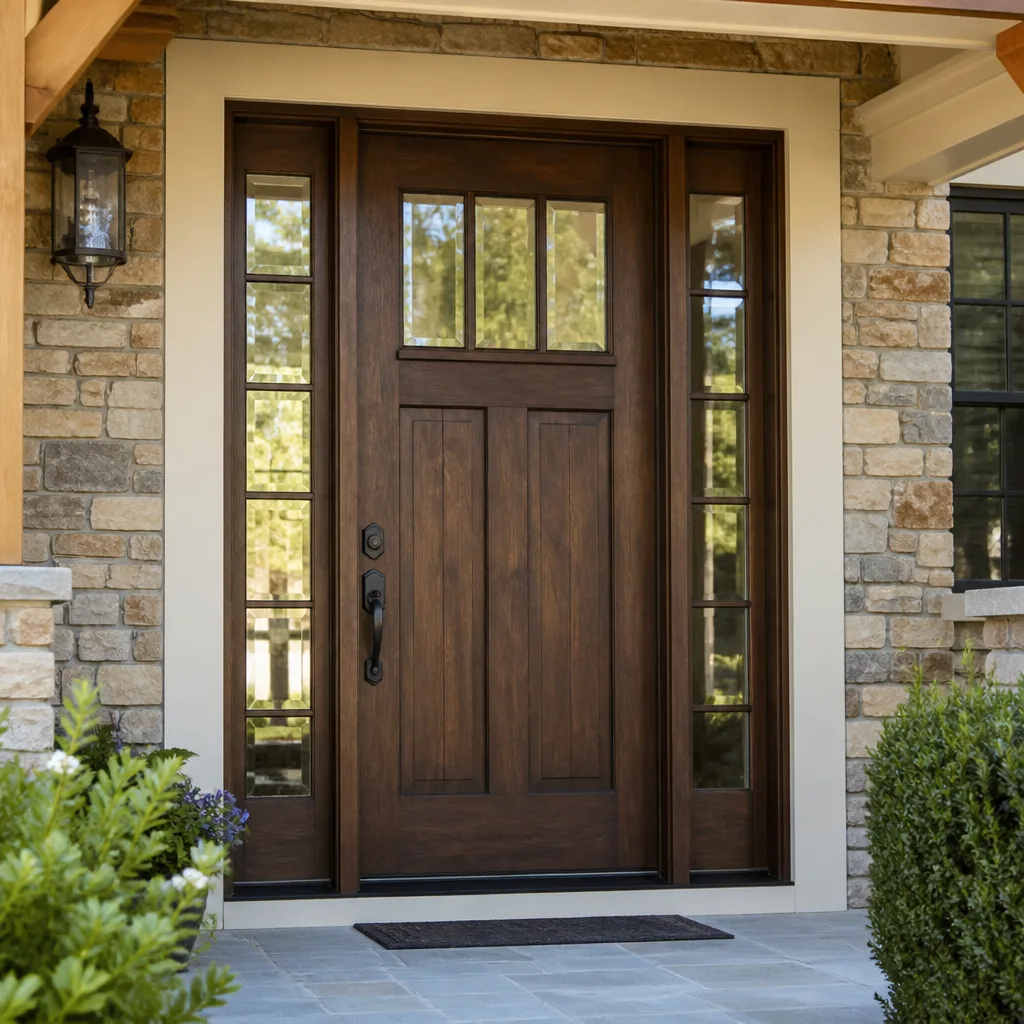 Entry doors
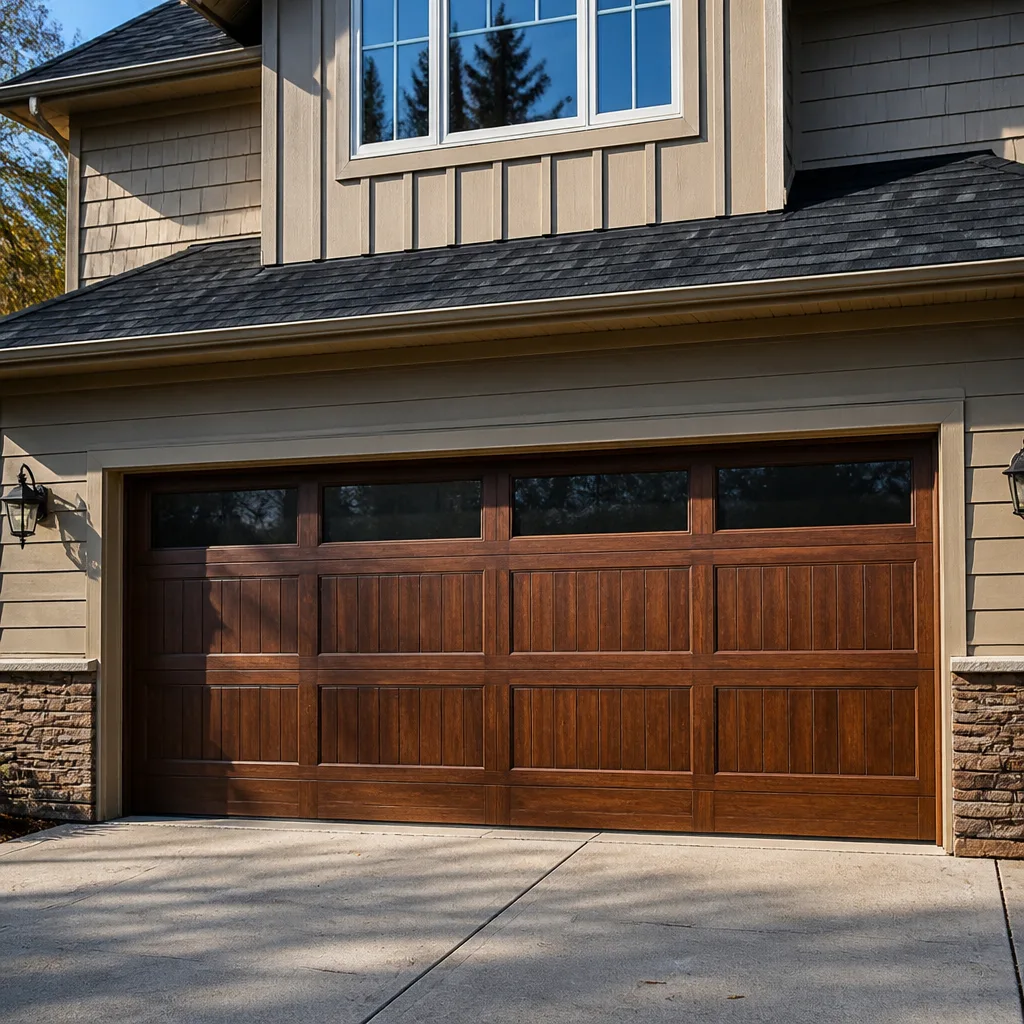 Impact garage doors
 PGT
 CGI
Free in-home measure and quote - PGT, CGI and CWS impact lines compared on your actual openings, style by style
Get your free estimateHow to Hire a Windows & Doors Contractor in Enterprise: A Step-by-Step Guide
A contractor can hold a valid license, carry bonding and insurance, and still install a window that voids its own manufacturer warranty before lunch on day one. Warranty compliance doesn’t live in the credentials on the wall. It lives in the installation method: how the rough opening was prepped, how the flashing was integrated, whether the sill pan actually drains. And that failure will never show up in a background check. In our experience working Enterprise homes, the questions that expose a bad installer come late in the conversation, after the sales pitch is over and the real technical talk begins. This guide resequences the hiring interview around those questions, so you’re the one asking them in Enterprise before you sign anything.
Quick Answer
To hire a windows and doors contractor in Enterprise, verify the contractor holds a Nevada C-17 Glazing license through the State Contractors Board database, ask four technical questions about rough-opening prep, flashing, and sill-pan drainage, and read the bid line-by-line for excluded scope before you sign. A legitimate installer will register both warranty layers in writing, state the durations, and put a workmanship guarantee in the contract. If any of that feels evasive, walk away before the demo starts.
Styles & brands we work with
- Single hung
- Double hung
- Horizontal roller
- Casement
- Bay & bow
- Sliding glass doors
- Entry doors
- Impact garage doors
- PGT
- CGI
Table of Contents
- Step 1: Verify the License Before the First Visit
- Step 2: Ask the Four Technical Questions That Expose Incompetence
- Step 3: Read the Warranty Registration Process in Writing
- Step 4: Read the Bid Line-by-Line for Scope Omissions
- The Enterprise Market: Red Flags Specific to Our Area
- What Enterprise Climate Does to Windows and Doors
- What to Look For in the Contract Itself
- Common Mistakes to Avoid
- Frequently Asked Questions
Step 1: Verify the License Before the First Visit
Nevada treats glazing as a specialty trade. A contractor installing windows and doors in this state should hold a C-17 Glazing license from the Nevada State Contractors Board (NSCB). C-17 covers the fabrication, installation, and replacement of glass and glazing products, including windows and doors. That’s the classification you want on the bid, not a general B-2 residential license attached to a handyman who also frames decks and repaints kitchens. If a bidder can’t tell you their license class off the top of their head, that’s your first sign the interview isn’t going to get technical.
Here’s the verification process, in order:
- Ask for the license number in writing before anyone visits. Not “we’re licensed” – the number.
- Search that number on the NSCB online database (nvcontractorsboard.com). You’re checking three things: status is “active,” classification is “C-17 Glazing” (or a qualifying combination that includes glazing), and the license hasn’t lapsed or been suspended.
- Cross-check the business name on the license against the name on the bid. A license held by “Valley Glass LLC” filed under a different name on the contract is a mismatch worth flagging.
- Confirm bonding and insurance appear current on the same record. Nevada requires both, and the database will tell you.
- Ask whether the installing crew is the licensed contractor’s own people or a subcontractor. Either is legal in Enterprise, but a subcontracted install is where a lot of warranty disputes start, because the crew that voids the warranty isn’t the one that answers the phone six months later.
Do this before the site visit. Once a bidder is standing in your kitchen annotating a quote, the pressure shifts. Verify first, then invite them out.
Step 2: Ask the Four Technical Questions That Expose Incompetence
Credentials are the entry fee. The real filter is whether the person across your kitchen table understands how a window actually keeps water out of your walls. Most homeowners never ask these four questions. The answers are what separate a crew from a sales organization.
Question 1: “How do you prep the rough opening before the new unit goes in?” A good answer mentions squaring and checking the opening with a level across and along the sill, verifying the sill pitches slightly outward (usually 2 to 3 degrees on the frame), and addressing any rotted framing, rot, or sheathing before wrapping it with a water-resistive barrier. A bad answer skips straight to “we seal it up tight.” If a bidder can’t describe how they check the opening for square and pitch, they’re installing a rectangle into a space that isn’t one, and every hinge, gasket, and weatherstrip in the unit will fight that mistake for the next twenty years.
Question 2: “How do you integrate the flashing?” Flashing isn’t a topic that comes up over a beer. It’s the shingle-lap logic that channels water down and out rather than behind the frame. The correct answer references a sill pan flashing at the bottom, side flashing that overlaps the lower course and tucks under the upper, and a head flashing over the unit. It also references integrating the new flashing with the existing house wrap or building paper. If they say “the window comes with a flange, that’s the flashing,” they don’t understand the two are separate layers of protection.
Question 3: “How does the sill pan drain?” The sill pan is the saddle under the window that catches water and channels it to the exterior. Drainage requires weeps or end-dams at the correct height. Skip the pan, or install one that pools water against the sill, and you invite rot, mold, and a warranty claim the manufacturer will deny because the installation method voids the spec.
Question 4: “What’s your air-sealing approach behind the trim?” Ask what sealing method they use (low-expansion foam, backer rod plus sealant), where it goes, and whether they seal both the rough-opening gap and any penetrations through the weather barrier. A crew that seals “tight” without knowing where moisture will need to escape ends up with a window that doesn’t leak but also doesn’t dry. And a window that never dries rots from the inside. TruePane’s technicians measure every opening twice and face these four questions before the first board is set in Enterprise.
Step 3: Read the Warranty Registration Process in Writing
Windows and doors typically carry two warranty layers: a manufacturer warranty on the product and a labor or workmanship warranty from the installer. Most homeowners get one and assume they have both. Most manufacturer warranties are only valid if the unit is installed to spec by a qualified installer and the warranty is registered properly. That’s where the “builder warranty won’t transfer to you” language lives, and it’s worth learning to read.
Here’s what a real registration process looks like:
- Durations stated in the contract, in years, for both the manufacturer product warranty and the installer workmanship warranty. If the durations are missing or say “see manufacturer,” ask for them in writing before you sign.
- Registration completed before the crew leaves, with a confirmation number or certificate you keep. Not “we’ll get that to you.”
- Transferability addressed in writing. Many manufacturer warranties transfer to the next homeowner only if certain conditions are met, and some lapse entirely. If you plan to sell this Enterprise house within ten or twenty years, this is a real line item, not a footnote.
- Warranty exclusions clear and specific. Understand what voids coverage: installations over a floor’s height without frame reinforcement, units installed in non-vertical openings, or missing flashing, to name common examples.
What to watch for in the contract language: phrases like “warranty registration handled by manufacturer” with no further detail, or “installer warranty limited to labor for thirty days” buried in the fine print. If the workmanship warranty is thirty days and the product warranty is twenty years, the homeowner is on their own for year two. In our practice, TruePane registers both warranty layers in writing before the truck leaves the driveway, and The Keystone Standard names both durations. That’s the bar. Hold every bidder to it, in Enterprise and anywhere else.
Step 4: Read the Bid Line-by-Line for Scope Omissions
The most common way a homeowner in Enterprise ends up with a window cost 40% higher than the bid is a line item that was never in the bid. The contractor didn’t lie. They simply excluded scope, and once demo starts, the exclusions become change orders. Read every bid for these:
- Trim and interior casing. Does the bid include new trim, or just “window, installation, disposal”? If the old trim comes off, whether it can be reused depends on how it was fastened. Bids that exclude trim are common; bids that don’t say so are worse.
- Exterior trim and wrapping. Some bids include new exterior trim, some wrap existing trim in aluminum coil, some leave it to the painter. Ask which, in writing.
- Stucco or siding repair. Enterprise homes are often stucco, and cutting out an old window without planning the repair patch is how you get a finished window with a stucco edge that cracks in the first summer.
- Interior wall repair and paint. Opening the rough opening almost always disturbs the drywall and trim paint. If paint isn’t in the bid, it isn’t in the budget.
- Permits and inspection fees. Who pulls them, who pays, and whether the permit is included. Some Enterprise window replacements on a like-for-like basis may not require a permit, but the bidder should say so explicitly rather than assuming.
- Haul-away and disposal. Usually included, occasionally a surprise surcharge. Check.
- Lead paint and asbestos testing. In older Enterprise homes, this is a real cost that can surface mid-project. If the bid is silent, ask.
- Hardware and finish options. If the bid is for a base model and you’re picturing hardware they showed you in the showroom, the difference is on you unless it’s itemized.
A written line-item bid tells you exactly what you’re buying. A bid that says “14 windows, $X, includes labor and materials” isn’t a bid. It’s a handshake, and handshakes don’t survive a change order. Every TruePane quote comes with manufacturer lines side by side on paper so the homeowner sees exactly what’s included, line by line.
The Enterprise Market: Red Flags Specific to Our Area
Enterprise is a specific market. Our housing stock runs the range from 1990s stucco subdivisions in the southwest to newer construction closer to the 215 and the more established pockets near Silverado Ranch, Rhodes Ranch, and Southern Highlands. That range matters when you’re interviewing a contractor. So do these local warning signs:
- Out-of-state licenses. Nevada doesn’t reciprocate most specialty licenses from other states. A bidder whose truck says “Licensed in California and Nevada” is fine only if you can verify the C-17 on the NSCB database. A California contractor installing windows in Enterprise without a Nevada license is not a subtle problem – it’s a legal one, and it can void your warranty.
- No physical address. A Post Office box and a phone number isn’t a business. A truck, a shop, a warehouse – pick one, but ask for an address you can drive to. If the address turns out to be an apartment or a mailbox service, you’ve learned something about who you’re dealing with in Enterprise.
- The “direct-from-manufacturer” pitch. Some companies market themselves as cutting out the middleman. That pitch works by bypassing the installer accountability that keeps a window true. When the manufacturer sells direct, the warranty registration, installation method, and workmanship guarantee all get complicated. Ask who’s registering the warranty and who’s guaranteeing the labor, and get it in writing.
- “We’ll be in your neighborhood tomorrow.” Drive-by sales is a real approach in Enterprise, and it’s rarely the sign of a stable business. A company that will still be here in five years doesn’t need to chase drive-bys.
- No verifiable references in Enterprise. Ask for three addresses of recent jobs in this area. Ask whether they’ll let you drive by. A legitimate local installer knows which of their Enterprise customers will happily tolerate a drive-by. A fly-by-night operation won’t have any.
What Enterprise Climate Does to Windows and Doors
Enterprise isn’t a mild climate, and the difference matters. Summer surface temperatures on south-facing windows regularly push past 160°F on the glass itself. That thermal cycling – the daily expansion and contraction between 110°F afternoons and 70°F nights – is what opens gaps, breaks seals, and warps seals around a window that was installed to a mild-climate spec. Look for units rated for this climate: low-E glass with a solar heat gain coefficient tuned for the desert, insulated frames that won’t warp, and argon-filled units that survive the temperature swings. Our technicians have up to 18 years of experience and we’ll tell you which PGT or CGI products actually hold up here versus which look good on paper.
Door and window installs in Enterprise also face two specific weather challenges:
- Haboob season (June through September). Fine dust gets into every gap and crevice during dust storms. Windows with sloppy rough-opening sealing let dust into the wall cavity, where it can settle and stain the drywall. The sealing approach isn’t a detail. It’s the difference between a window that looks clean inside after a dust event and one that doesn’t.
- Winter and spring wind events. Enterprise sits in a basin where wind gusts hitting 40-60 mph in winter aren’t unusual. Windows installed without proper fastening and flashing don’t fail the day they’re installed. They fail three years later, in a specific wind event, and by then the installer has moved on.
Ask any bidder which product lines they’re installing in this climate and why. If they can’t speak to solar heat gain, thermal cycling, and dust tolerance, they’re not picking windows for Enterprise. They’re picking windows from a catalog.
What to Look For in the Contract Itself
Before the first check, the contract should have all of the following in it. If anything’s missing, ask. If it can’t be added, walk.
- The exact license number and C-17 classification, matching the NSCB database record.
- Itemized scope of work, including the exclusions from the previous step written out so you know what’s not covered.
- Product specifications: manufacturer, product line, U-factor and SHGC ratings, glass package, frame material, and hardware. Side-by-side manufacturer quotes on paper are the gold standard.
- Workmanship warranty duration, in years, clearly stated, plus the manufacturer warranty duration.
- Registration responsibility: who registers both warranty layers, and when. The best answer is “before the truck leaves the driveway,” and it should say so.
- Payment schedule tied to completion milestones, not to start date, and not with a large deposit required upfront. A big deposit demanded in cash is a warning, not a courtesy.
- A three-day right to cancel, present on Nevada home-improvement contracts signed in the home, with the cancellation notice physically attached.
- The right-to-lien warning, which Nevada requires on home-improvement contracts, informing you that subcontractors and suppliers can file a lien if they aren’t paid by the contractor.
- A dated completion window and a clearly stated process for schedule changes.
This is the contract TruePane puts in front of Enterprise homeowners. Fixed pricing, no change orders that aren’t in writing, no surprise line items on the bill, and the 90-Day Done Right Promise backing the workmanship with no paperwork fights and no arguing. If a bidder balks at putting any of it in writing, that’s the answer to your interview. See our window installation in Enterprise page for what the process looks like from our side of the table.
Common Mistakes to Avoid
- Taking the lowest bid without reading the scope. The lowest bid is often the one with the most exclusions, and the cheapest number becomes the most expensive job once change orders stack up. In Enterprise, low bids often leave out stucco repair and interior trim, which are the two most expensive items to add later.
- Trusting a license sticker without checking the database. License numbers can lapse or be suspended between the sales pitch and the install. Verify on the NSCB site on the day you sign, not the day you first called.
- Assuming “manufacturer warranty” is a full warranty. Most product warranties exclude labor, exclude installation-related failures, and require registration within a specific window. Without registration, a twenty-year warranty effectively lasts zero days.
- Skipping the rough-opening and flashing conversation. A homeowner who never asks about flashing is a homeowner who can’t tell whether the installer knows what they’re doing. Ask the four questions in Step 2, and watch how they answer.
- Paying a large deposit in cash. Nevada home-improvement contracts have specific rules about deposits and payment milestones. Cash deposits with no receipt are difficult to recover and impossible to trace.
- Ignoring the climate spec in a desert market. A window rated for a mild climate will look fine for two summers and fail in the third. Ask for the SHGC and U-factor ratings on every unit, in writing.
- Not asking who’s actually installing. If the crew is subcontracted, the installer may not be covered by the installer’s workmanship warranty. Ask in writing whether the crew works for the licensed contractor.
When to Call a Professional
Not every window or door issue requires a full replacement. But these scenarios do require a licensed professional, and in Enterprise, they’re worth calling about sooner rather than later:
You see condensation between the panes (seal failure), the door binds in July but not January (thermal expansion telling you the frame is moving), the window won’t latch or lock fully (frame out of square), you see water staining on the interior wall or ceiling near a window during or right after a dust storm, or you’re replacing a unit that’s over fifteen years old. Each of these is a symptom with a specific diagnosis, and each is best handled before the damage spreads. TruePane Windows & Doors Enterprise offers free estimates in Enterprise – call (844) 629-7617 to schedule a visit. Our technicians are background-checked and uniformed, and we answer every call with a live person. For door-specific work, see our door installation in Enterprise page.
Frequently Asked Questions
Window replacement in Enterprise typically runs $450-$1,200 per window for standard sizes, and $800-$2,500 or more per unit for larger, custom, or impact-rated windows. Whole-house projects (10-15 windows) often land between $6,000 and $18,000 depending on product line and scope. The variance comes down to the manufacturer line, the glass package, whether the trim and stucco are included, and whether the rough opening needs repair. Manufacturer quotes side by side on paper keep the comparison honest. Call (844) 629-7617 for an exact quote – estimates are free.
Ask for the license number in writing, then search it on the Nevada State Contractors Board database at nvcontractorsboard.com. You want to see an active status, a C-17 Glazing classification, current bonding and insurance, and a business name that matches the name on the bid. Do this before the first site visit, not after. If a bidder can’t produce the number, or the name doesn’t match, end the conversation there.
A legitimate bidder quotes a fixed price tied to a written scope, and changes only happen through a signed written change order. If the installer “discovers” extra work after demo and the price jumps, the original bid excluded scope that should have been visible. Ask what’s in and out of the bid before you sign. TruePane quotes are fixed, with no surprise line items on the bill.
Like-for-like window replacements in Enterprise often don’t require a permit, but any change in size, new opening, or structural change does. The bid should state explicitly whether the permit is included and who pulls it. If a bidder says “you don’t need a permit” without qualifying the scope, ask them to put that in writing. It’s the kind of thing that gets discovered at inspection, not at signing.
Most window replacements are completed in a single visit, with a crew averaging six to ten standard-sized windows per day. Larger projects, custom units, and doors with rough-opening changes take longer. Plan for a full day for a mid-size project, and confirm the completion timeline in the contract. A contractor who can’t give you a dated window is a contractor who hasn’t thought through their scheduling.
Most manufacturer warranties cover the product (frame, glass seal, hardware) for a stated duration, exclude labor, and require installation by a qualified installer plus a registered warranty. The best practice is to get both the manufacturer warranty duration and the installer workmanship warranty duration in writing before signing. TruePane registers both layers before the truck leaves the driveway, and The Keystone Standard names the durations. See our window replacement in Enterprise page for a fuller breakdown, or call (844) 629-7617.
The Bottom Line
The Enterprise homeowners we’ve seen get burned asked the wrong questions. They verified licenses, checked references, and compared three bids, and still ended up with a window that leaked or a door that binds – because nothing in that process tested whether the installer understood flashing, sill-pan drainage, and rough-opening prep. This guide resequences the interview around the technical questions that matter, and adds the steps most homeowner guides skip: verify the C-17 through the NSCB, read for scope omissions, and demand warranty registration in writing. For a frame of reference on what we do, see our TruePane Windows & Doors Enterprise home page. If you’d rather just have the conversation with someone who already knows these answers, call (844) 629-7617 to schedule your free estimate. We answer every call with a live person, we’ll be there when we say, and if the pane is not true, the job is not done. Visit our window replacement page for details on what a replacement project looks like from start to finish.
Written by the team at TruePane Windows & Doors Enterprise.
See the difference
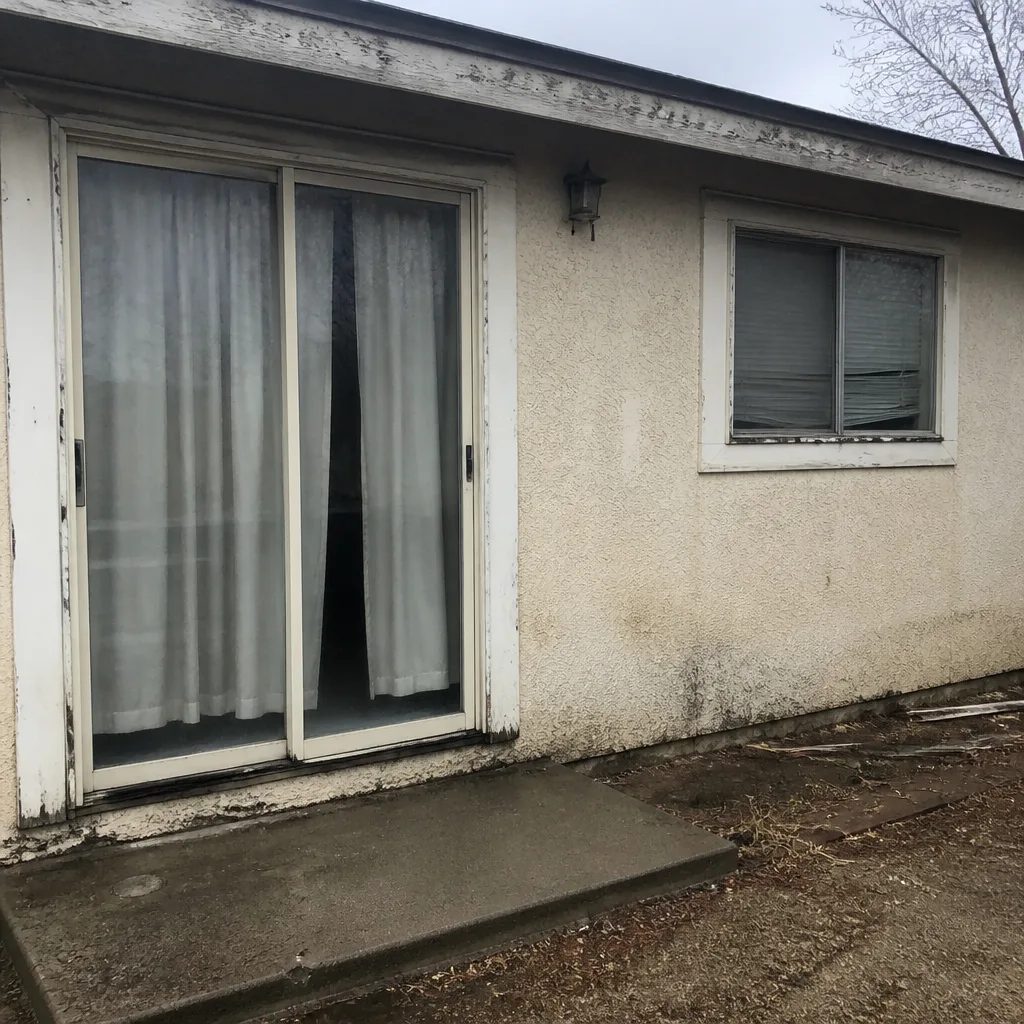 Before
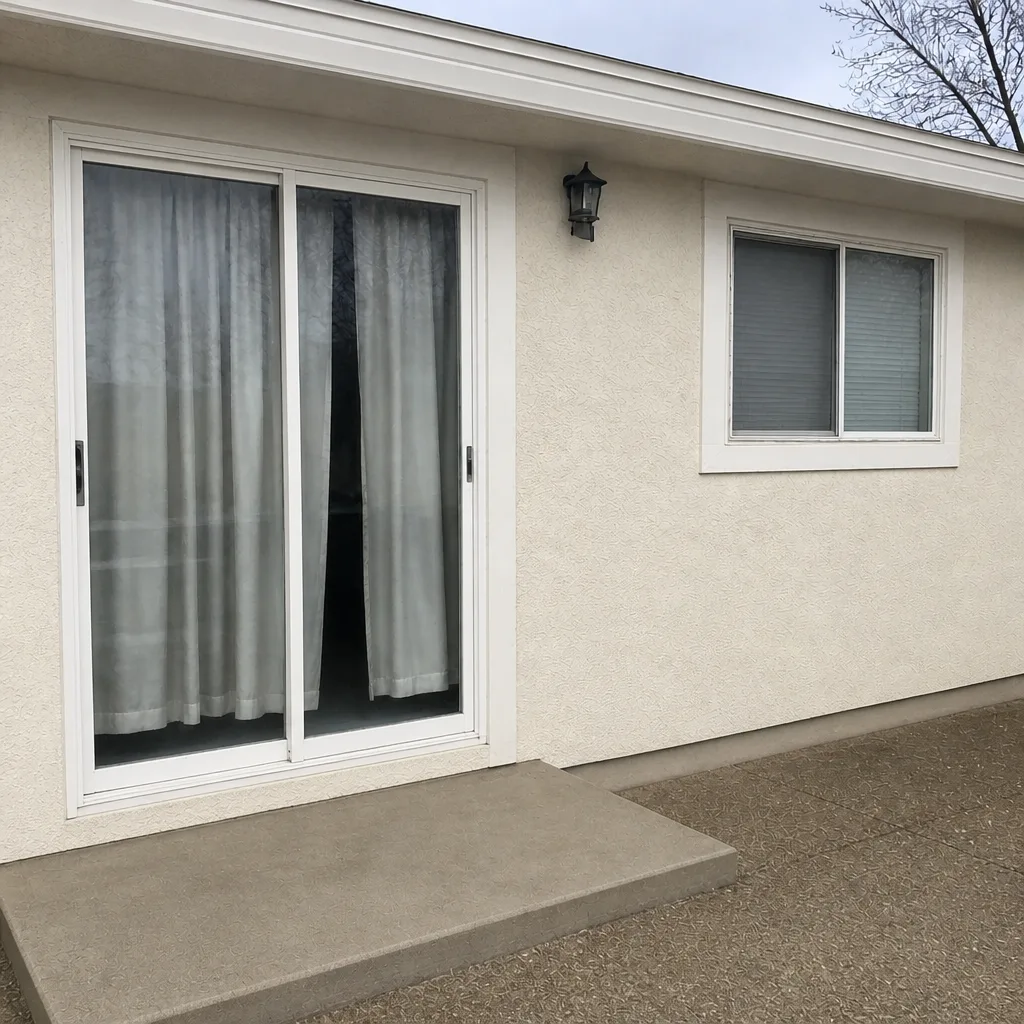 After
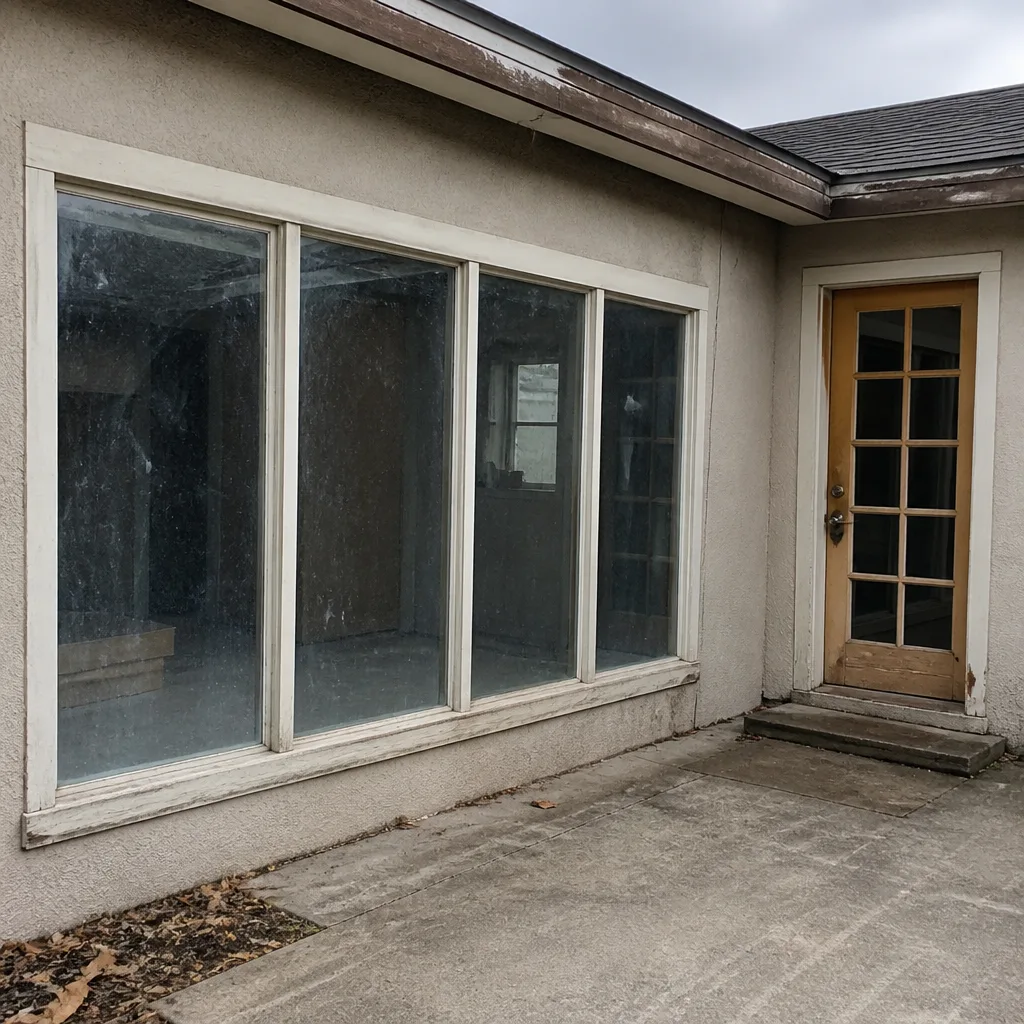 Before
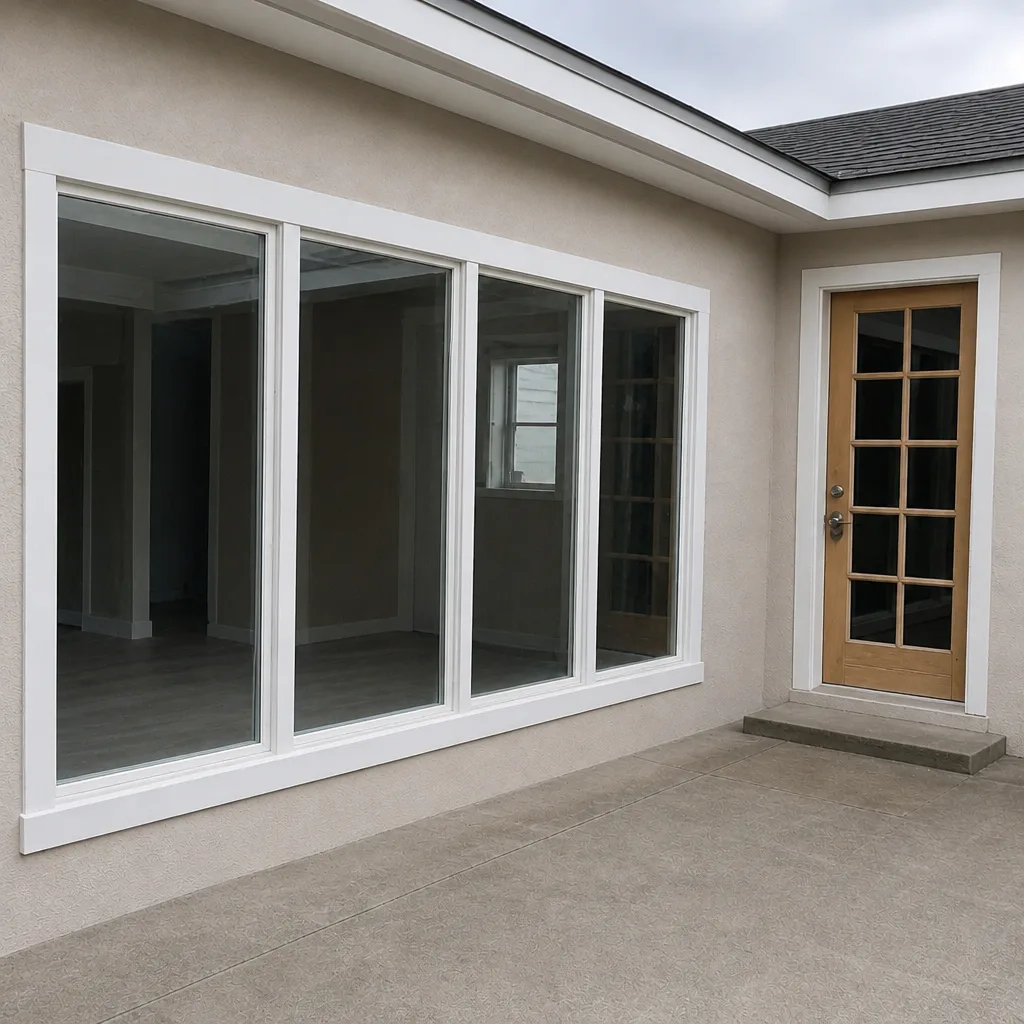 After
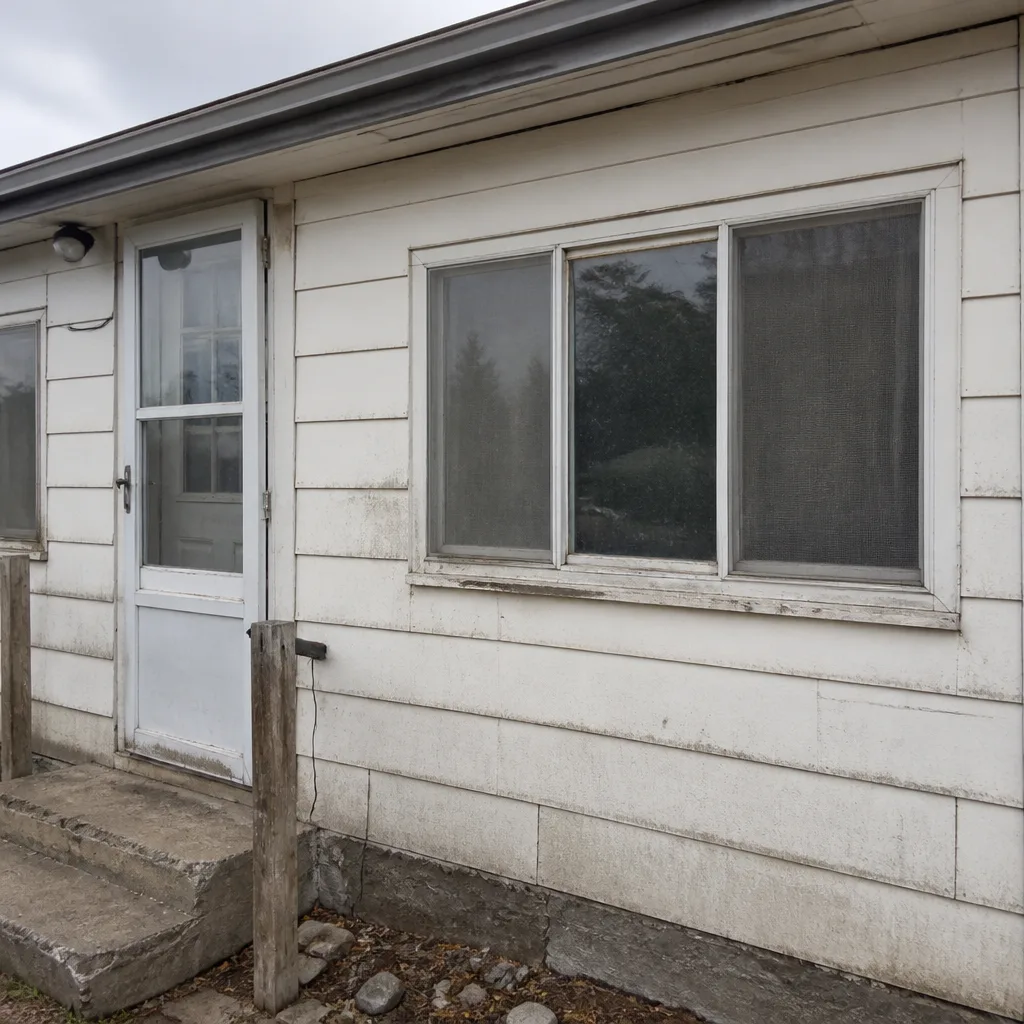 Before
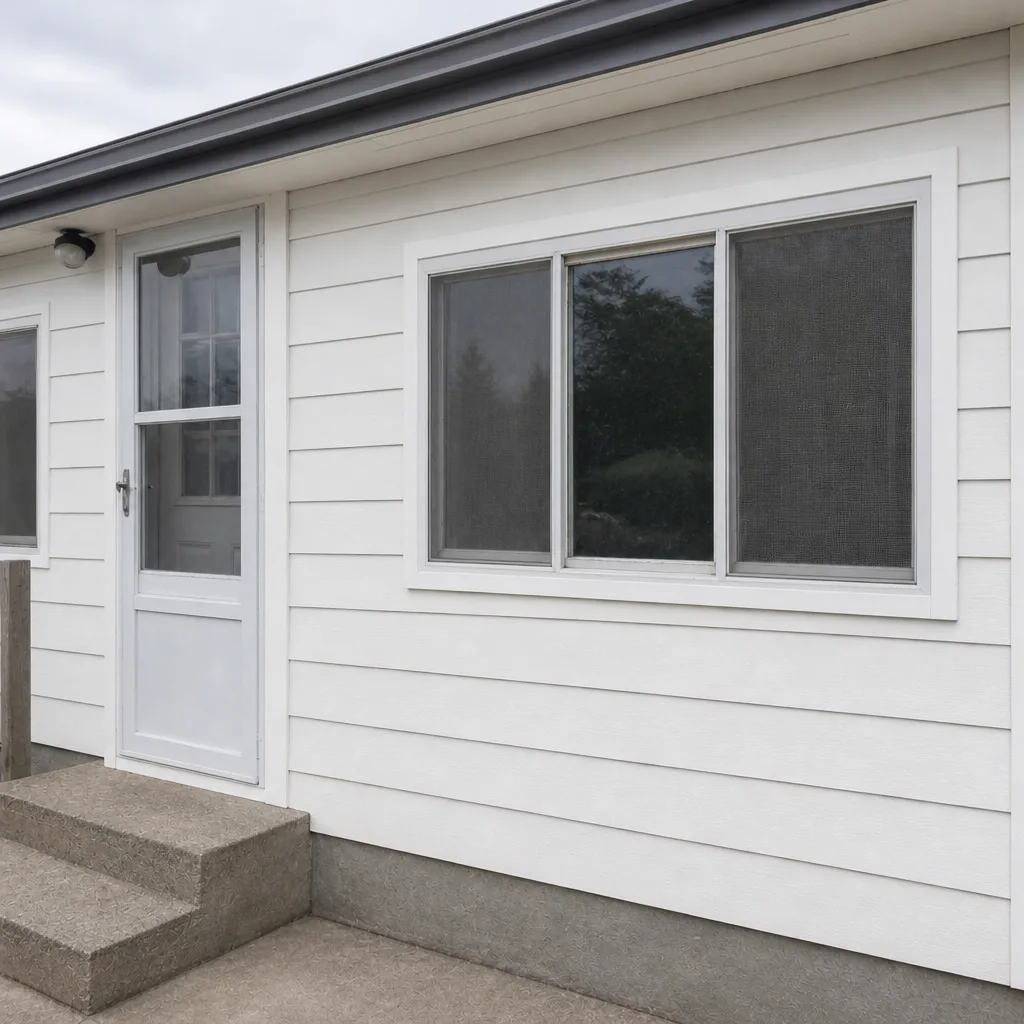 After