
Last updated November 17, 2026
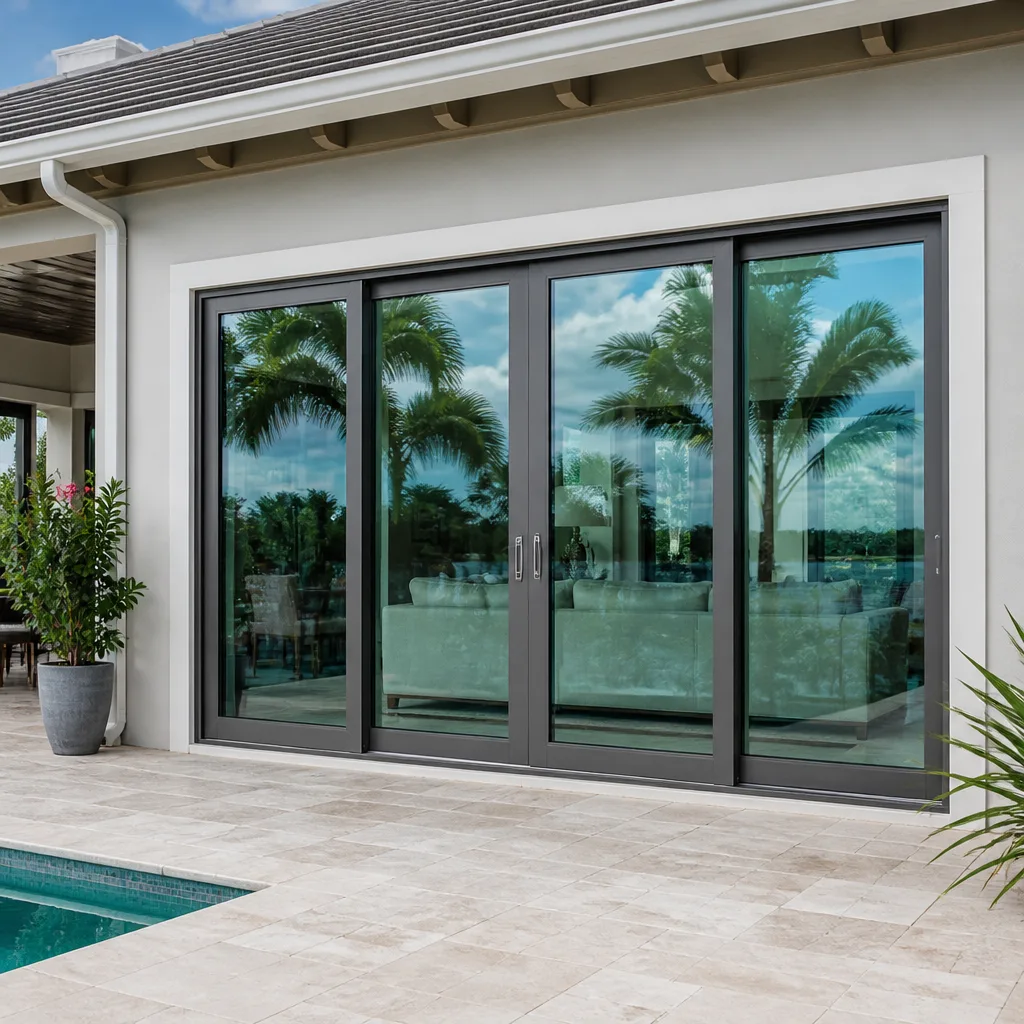
 Sliding glass doors
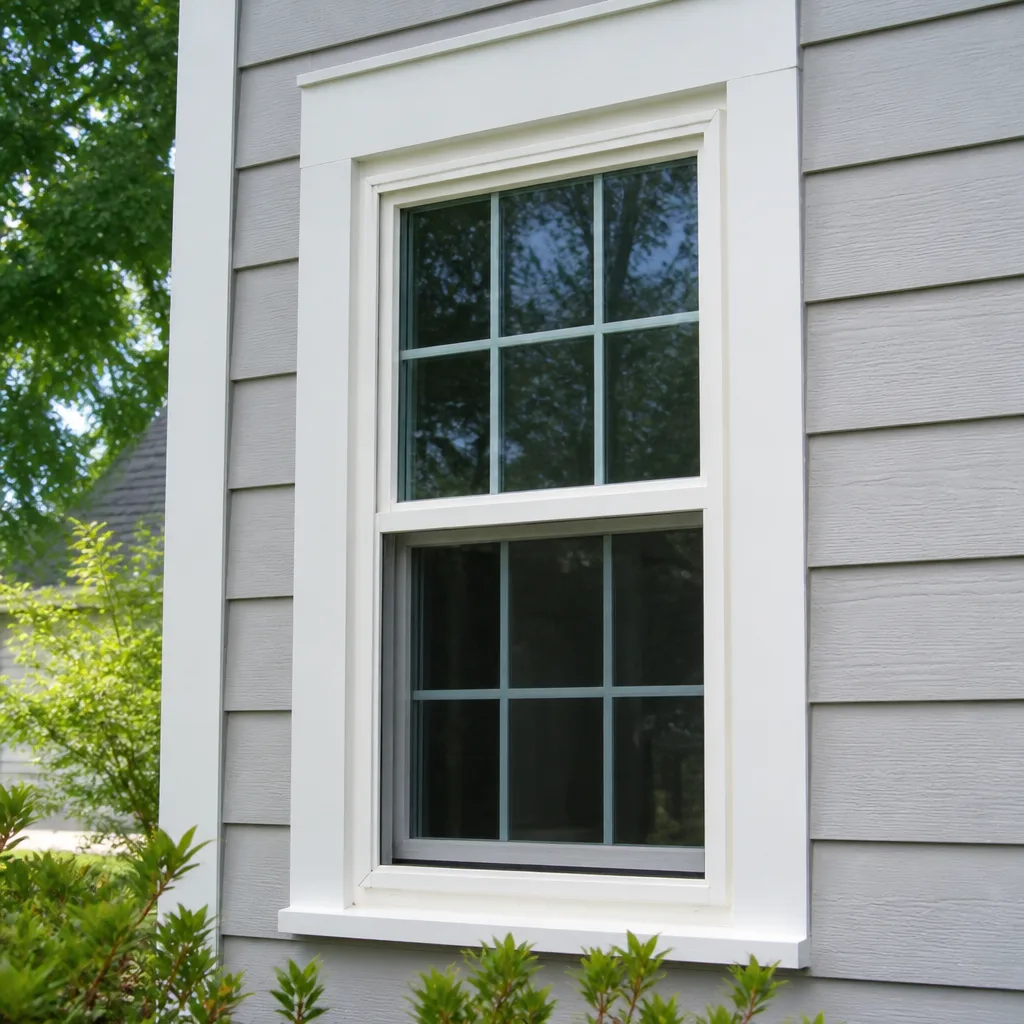 Single hung
 Double hung
 Horizontal roller
 Casement
 Bay & bow
 Entry doors
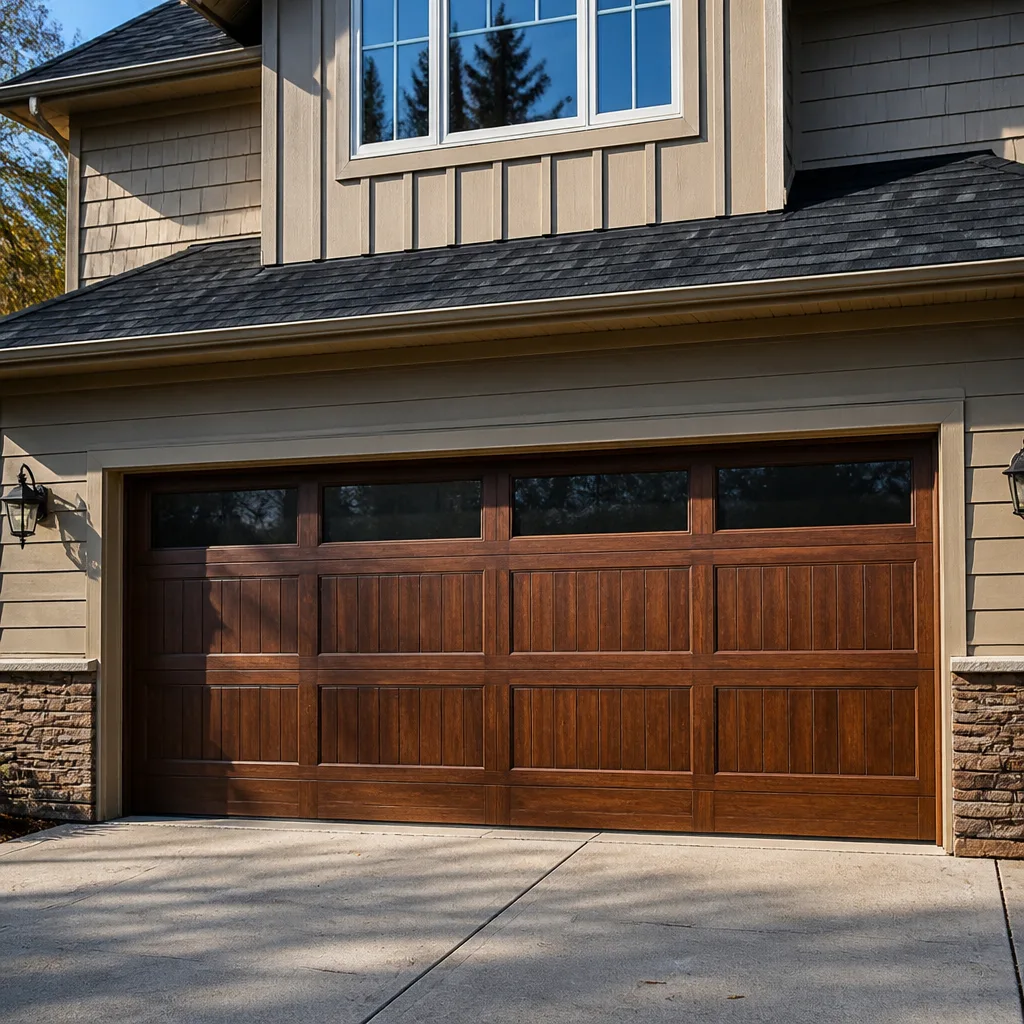 Impact garage doors
 PGT
 CGI
Free in-home measure and quote - PGT, CGI and CWS impact lines compared on your actual openings, style by style
Get your free estimateSeasonal Windows & Doors Care for Enterprise: Year-Round Homeowner’s Guide
Enterprise’s thermal swing is the whole story. A July afternoon can push 118°F while a January overnight low sinks below freezing, and that spread forces more frame expansion and contraction cycles in a single year than many U.S. cities see across two or three. That cycling, not age alone, is what quietly degrades seals, gaskets and door hardware. In this guide we’ll lay out maintenance around Enterprise’s actual weather calendar: the April pre-summer protocol, monsoon readiness from July through September, the October post-summer assessment, and winter prep aimed at desert condensation and inversion events. We’ll also cover the one spring task most homeowners here skip, and why it matters by July.
Quick Answer
Enterprise windows and doors need care built around two punishing seasons and two short transition windows, not a four-season template. In April, inspect and treat frame sealants, screen mesh and solar film before sustained triple-digit heat stresses your insulated glass seals. From July through September, clear weep holes and check door threshold seals for monsoon readiness. In October, look for UV-driven frame oxidation and shrinking glazing compound before winter temperature swings widen any gaps. Then in December, address interior humidity, because desert inversion events raise condensation risk on cold glass and interact with low-e coatings.
Styles & brands we work with
- Single hung
- Double hung
- Horizontal roller
- Casement
- Bay & bow
- Sliding glass doors
- Entry doors
- Impact garage doors
- PGT
- CGI
Table of Contents
- Why Enterprise Needs a Different Maintenance Calendar
- The April Pre-Summer Protocol
- Monsoon-Season Readiness: July Through September
- The October Post-Summer Assessment
- Winter Prep for a Desert Climate
- The Spring Task Most Enterprise Homeowners Skip
- Common Mistakes to Avoid
- When to Call a Professional
Why Enterprise Needs a Different Maintenance Calendar
The inland desert doesn’t ease from one season to another the way most of the country does. It punishes you from roughly May through September with sustained heat, gives you a short window of cooling, then swings hard into sub-freezing nights. The gap between a 118°F afternoon and a 30°F dawn can be fifty-plus degrees in a single week. Vinyl and aluminum frames handle that by moving, and every move compresses seals, works screws loose and stresses glazing compound at joints.
That asymmetry matters because a national maintenance checklist written for Ohio or Oregon tells you to prep for a long freeze and a wet spring. In Enterprise, the strain lands differently. Your insulated glass unit’s perimeter seal is doing the hardest work in July and August, when a west-facing window can reach 140°F on the glass surface. Your door thresholds take their worst abuse in a single week of monsoon that can drop a season’s rain. Your casement hardware stiffens in dry heat and then sits idle through the mild transitions.
We’ve walked through thousands of Enterprise homes, and the failures track the calendar. Seal failures cluster in August and September. Door threshold gaps show up in July. Frame oxidation surfaces in October. Condensation complaints arrive in December and January, when the heater runs and inversion events hold cold air against the valley floor. Build your maintenance schedule around those dates and you’ll catch problems while they’re cheap.
The four Enterprise maintenance windows
- April: inspect and treat sealants, screen mesh and solar film before the heat begins stressing your glass seals.
- July-September: clear weep holes, check door thresholds and verify flashing before monsoon rain.
- October: assess UV-driven frame oxidation and glazing compound shrinkage before the cold swings widen any gaps.
- December-January: address interior humidity and condensation risk during inversion events and long heating periods.
The April Pre-Summer Protocol
April is your last comfortable working weather, and it’s the month that decides whether your glass unit survives August. When sustained 100°F days arrive, the perimeter seal on an insulated glass unit (IGU) starts working against itself. As the sealed cavity heats, gas pressure inside the unit pushes outward, flexing the polyisobutylene primary seal and the butyl secondary. If the outer sealant around the frame is already cracked, UV and heat find the gap, moisture migrates in, and by fall you have fogging between the panes. In Enterprise we see that fogging show up most often on south- and west-facing units, because they take the most direct afternoon sun.
Here’s the April sequence we recommend:
- Walk the exterior with a ladder and a flashlight. Look at the caulk joint where frame meets stucco or siding. Any crack wider than a hairline or any gap over 1/8 inch is a heat entry point.
- Press on the glazing bead or compound. It should feel firm, not chalky. In desert settings it embrittles faster than in humid climates, and a bead that crumbles in April is doing nothing by June.
- Inspect screen mesh. A torn screen lets in dust and insects during monsoon and blocks airflow. Replace torn mesh before the season, not after.
- Check solar film. If you have aftermarket film, look for bubbling or peeling at the edges. Film that’s lifting traps heat and can pit the glass beneath it.
- Confirm drainage paths. Verify weep holes on the exterior sill aren’t painted over or filled with debris. More on this in the monsoon section below.
If any of that inspection leads you toward replacing an aging unit outright, our guide on window replacement in Enterprise walks through how to size the job and what brands fit your home. For homeowners whose existing glass is still sound, the April protocol alone can add years to a seal’s life. It’s the cheapest maintenance you’ll ever do on your windows.
Why solar film is a different conversation in the desert
Interior film applied to a single-pane window in Enterprise can run into trouble because the glass surface gets hotter than the film was rated for. On double-pane units, a good film can actually reduce the heat load on the perimeter seal and help. On single-pane windows, film can cause thermal stress cracks if it traps heat unevenly. We recommend film only on exterior-exposed glass rated for the temperature, and we’ll say so plainly when we quote.
Monsoon-Season Readiness: July Through September
Monsoon season in Enterprise arrives when the temperature swings, usually mid-July, and brings the one weather event your windows and doors were never stress-tested for the rest of the year. A single storm can drop a month’s worth of rain in an hour. The homes that flood are almost never the ones with the biggest windows. They’re the ones with a clogged weep hole or a door threshold that lost its sealant in spring. A properly flashed door frame has a back dam and sloped sill that sheds water outward and into the drainage plane. A failed one has a flat sill, cracked caulk and a threshold that lets water pool against the interior threshold trim.
Here’s what to check before the first monsoon drops:
- Weep holes. These are the small slots in the exterior window frame and sill that let trapped water drain. Look for painted-over slots, insect nests or debris. Clear them with a stiff wire, not a screwdriver that can pry the frame.
- Door threshold sealant. The caulk joint under the threshold and at each end should be intact. On sliding and patio doors in Enterprise, this is where most water intrusion starts. Our door installation in Enterprise craft steps go through how a proper sill pan and back dam are set.
- Threshold height. The exterior threshold should sit at least 1/2 inch above the finished exterior grade or decking so water can’t wick back under the door.
- Flashing above and behind the frame. Look for the metal flashing that should tuck behind the stucco or siding. If you can see daylight or a gap, that’s a problem.
- Storm-door alignment. If you have a storm or screen door, verify it closes flush. A door that binds in July after a spring install that was done wrong is a warped frame, not a swollen door.
What a failed door threshold allows is water intrusion into the sill plate and wall cavity. That damage often shows up months later as a soft spot at the base of the interior wall. In our experience, homes in Enterprise with original builder-grade thresholds from the last 20 years are the ones we see fail. If you can slip a putty knife under the threshold and it moves, that sealant is gone.
The October Post-Summer Assessment
October is the month that pairs your yearly deep inspection with the transition from heat to cold. Two specific failures surface in Enterprise during this window: UV-driven frame oxidation and glazing compound shrinkage. Both are easy to spot now and hard to spot later, because once the temperature swings hard, small gaps widen into bigger ones. Frame oxidation on aluminum and painted wood shows up as chalky white patches or a dull, faded hue on the sun-facing side. On vinyl, it shows up as a chalky film that rubs off on your hand. Glazing compound around single-pane windows, the putty holding the glass in the sash, shrinks as the temperature falls. A bead that was tight in August can pull away in October.
Here’s the October walk-through:
- Examine every frame’s sun-facing side. Run a dry cloth over the trim. White chalk on the cloth means oxidation has started, and the surface finish needs attention before winter.
- Press the glazing compound with a fingernail. If the compound cracks or pulls away from the glass, it’s lost its seal. Re-glazing is a warm-weather job, so schedule it while the afternoons still hold.
- Look for gaps at sash corners. Corner joints on wood and older aluminum sashes can open with cycling. Any gap is a water and air entry point.
- Inspect the sill exterior seal. The joint under the exterior sill where the frame meets the wall is a top leak location. Check for cracking or separation.
- Walk the interior with a flashlight at night. With interior lights on and the outside dark, any light coming through a joint tells you where air is moving. Cold air infiltration shows up this way.
If the October inspection turns up frames that are oxidizing or sashes that are cracking, it’s worth reading our window installation in Enterprise page for what a proper replacement looks like. If the frames are still true, a seasonal tune-up catches most of what’s needed. We’ve watched homeowners put off October work, then call in February when a cold snap cracks a sash, and the fix is more expensive by then.
Winter Prep for a Desert Climate
Winter prep in Enterprise is not the same as winter prep in the mountains or the coast. Desert winter is milder by daytime, but inversion events hold cold air against the valley floor, and your home’s heating runs longer and harder than a maintenance plan built around a coastal climate assumes. Condensation risk goes up in Enterprise homes during those inversion events because the glass surface gets cold while interior humidity stays higher than people expect. Homes here typically run at 35% to 50% relative humidity in winter, which is enough to condense on cold glass. That condensation is a symptom, not a cause, and it can fog a window, stain wood trim and feed mold in the sill cavity if it runs down inside.
Here’s what winter prep looks like:
- Check interior humidity. A cheap hygrometer placed in a room with the most window glass tells you the relative humidity. Anything above 45% to 50% in a tight home before the heater hits its stride is a setup for condensation.
- Run the exhaust fan when cooking and showering. These create huge humidity spikes in a small space. Exhaust to the exterior, not a recirculating unit, is what does the work.
- Crack a window briefly during heavy cooking or showering. A short exchange of air drops interior humidity and lets the window dry. Do this in the morning, when the outside air is dry and cold.
- Verify low-e coatings are working. Low-e glass reduces the condensation risk on interior surfaces by lowering the inside pane temperature differential. If your double-pane windows were installed with a hard-coat or soft-coat low-e, condensation should be limited to the coldest corner of the window. If the whole pane fogs, the unit has lost its seal or the coating is absent.
- Check sliding door tracks for frost. A sliding door that frosts at the track suggests air infiltration. Seal it with weatherstripping and verify the sweep is intact.
How low-e coatings interact with interior humidity in Enterprise
Low-e coatings don’t make condensation disappear. They change the surface temperature on the inside pane, raising it a bit so the air in the room has to work harder to reach the dew point. In a desert climate with an inversion holding cold air for days, the coating does valuable work. But if interior humidity is above 50% and the coating is on the summer-sun side only, the inside pane temperature can still drop below the dew point. That’s when you see water beading in the corner. Our team has walked through Enterprise homes with beautiful new low-e units and humidity above 55%, and the answer was the same as the answer for a fogged window: reduce the interior moisture, not the glass. In rare cases, a fogged corner with no humidity issue is a failed IGU seal, and that has to be inspected.
The Spring Task Most Enterprise Homeowners Skip
If there’s one task that explains why your casement handles feel stiff by July, it’s the hardware tension adjustment. Casement windows use an operator, a crank mechanism with a worm gear that drives the sash open and shut. The operator is adjusted at the factory but it moves out of adjustment as the sash settles and the frame cycles. When it’s too tight, the sync arm and the hinge bind, the crank gets harder to turn, and eventually the operator strips. When it’s too loose, the sash doesn’t seal at the gasket, which lets in hot air, dust and water during monsoon. In an Enterprise home, the adjustment gets skipped because nobody thinks of window hardware as something that needs attention, and by August the crank is stiff and the sash isn’t sealing.
The spring adjustment run-through:
- Open each casement fully and shut it slowly. Listen for the gasket compress evenly. If the sash binds at one corner, the operator or the hinge is out of adjustment.
- Feel the crank resistance. It should turn without a grunt. Stiff turning means the operator or the hinge is binding, not that the window is heavy.
- Inspect the hinge arm pins. Look for corrosion, which is common on older hardware. A rusted pin fails in heat.
- Apply a dry silicone lubricant to the operator track and the hinge arm. Not oil. Oil attracts dust, and in Enterprise dust is the one thing you don’t want in a moving part.
- Check the lock’s alignment. The lock should engage and the sash should pull tight, evenly. A loose lock lets the sash drift.
If a crank is stiff enough that you’re afraid of breaking it, stop turning it. Forcing it can strip the operator, and replacing the operator is a bigger job than adjusting it. The same hold-true principle applies to door hinges, which we cover in our door install guide. Our technicians have up to 18 years of experience and are used to getting these adjustments right in a single visit. If you don’t know the adjustment procedure, this is work to hand off.
Common Mistakes to Avoid
- Pressure-washing the window frames. A pressure washer drives water past the seals at the sash corners, especially on vinyl and wood frames in Enterprise. Use a garden hose and a soft brush, never a pressure tip.
- Caulking while the frame is hot. Caulk won’t adhere to a frame that’s 140°F in the July sun. In Enterprise we recommend caulking before 9 a.m. or on a cooler fall day. Caulk applied to a hot frame fails within a season.
- Painting over weep holes. We see this constantly in Enterprise homes. A painter who doesn’t think about drainage will fill the slots and the sill holds water until it rots the frame. Tape them off before any exterior paint job.
- Siliconing the sash joint. A tight bead of silicone around the sash joint traps water and stops it from draining. The bead looks neat but the water finds another path.
- Ignoring the screen mesh. A torn screen in the desert lets in dust and insects during monsoon, and a replaced screen is cheap. This is the lowest-cost fix on the list.
- Buying film without reading the temperature rating. Interior film on a single-pane window in Enterprise can crack the glass as it heats. Confirm the film is rated for exterior-exposed glass before you buy.
- Skipping the October inspection. The gaps you see in October are easy fixes. By February they’re larger, and the fix costs more. This is the one mistake we see over and over.
See the difference
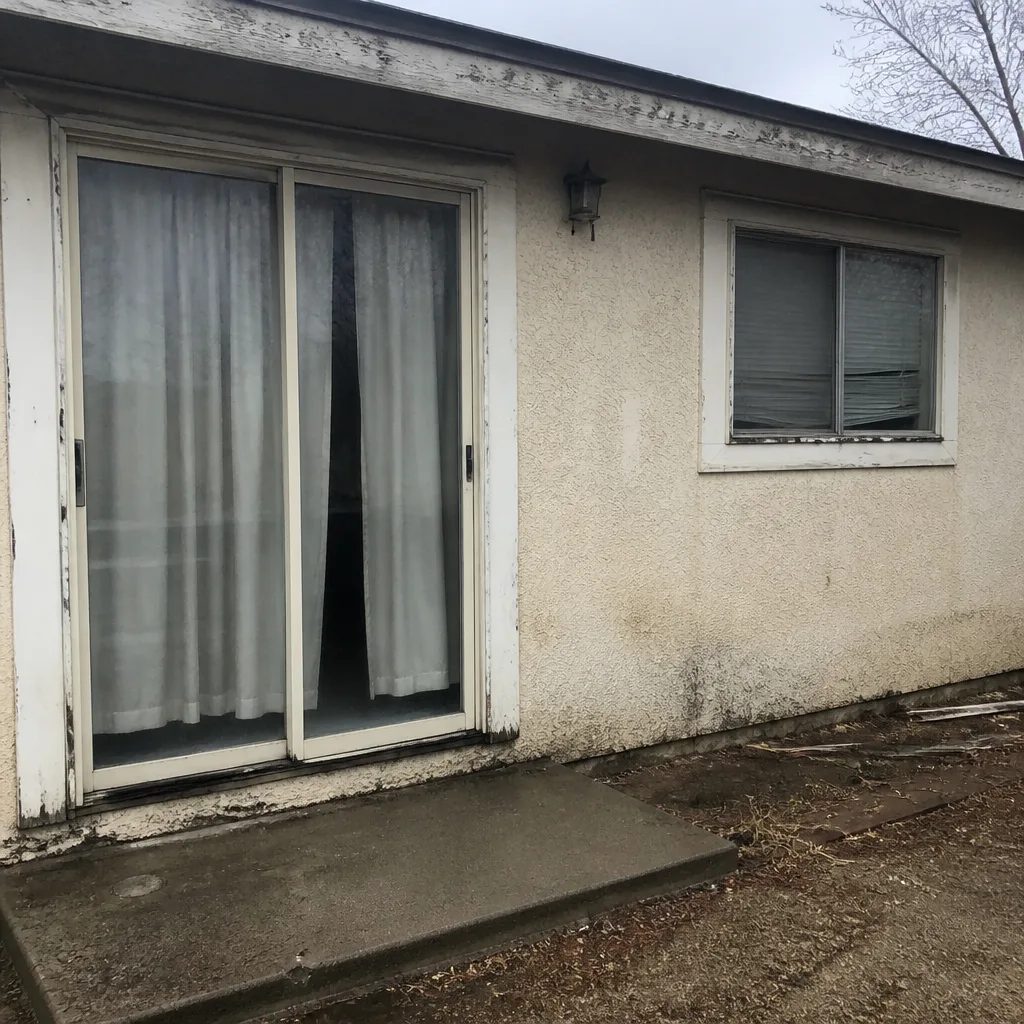 Before
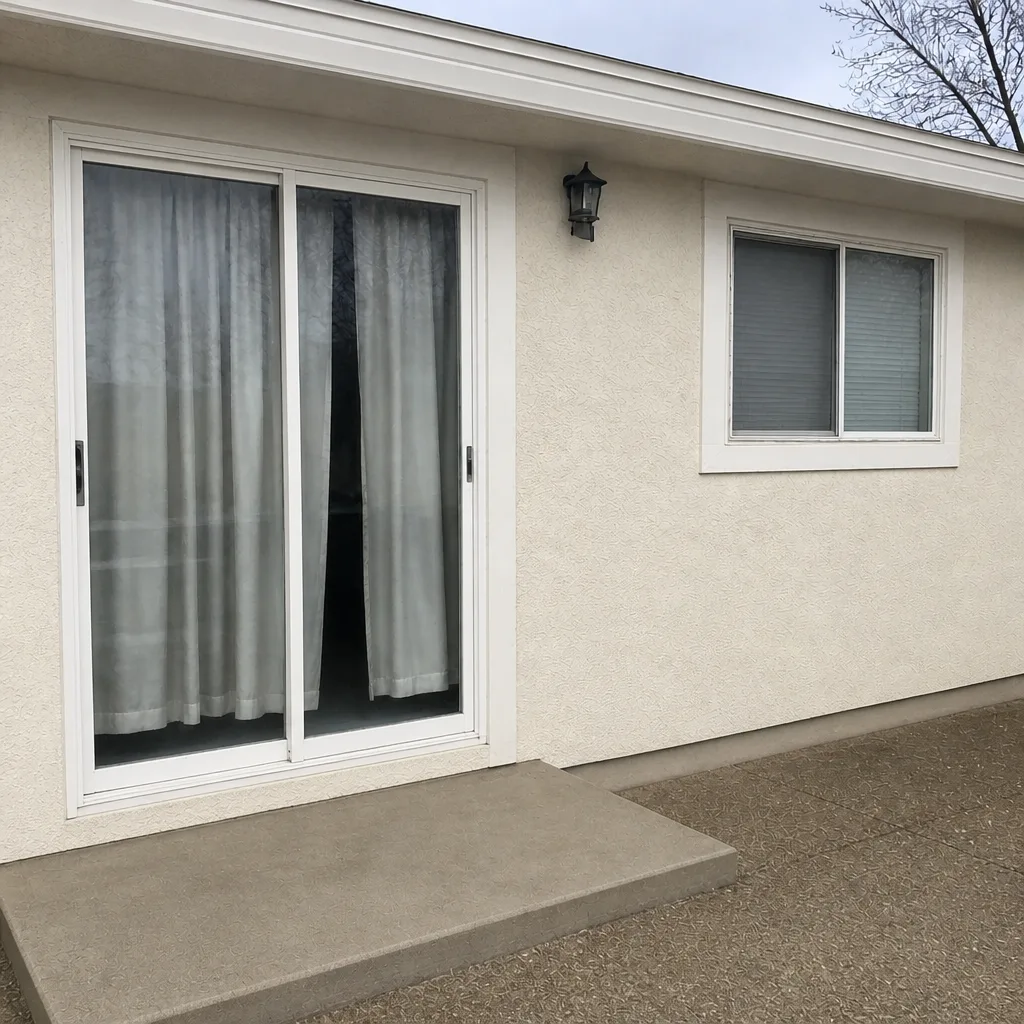 After
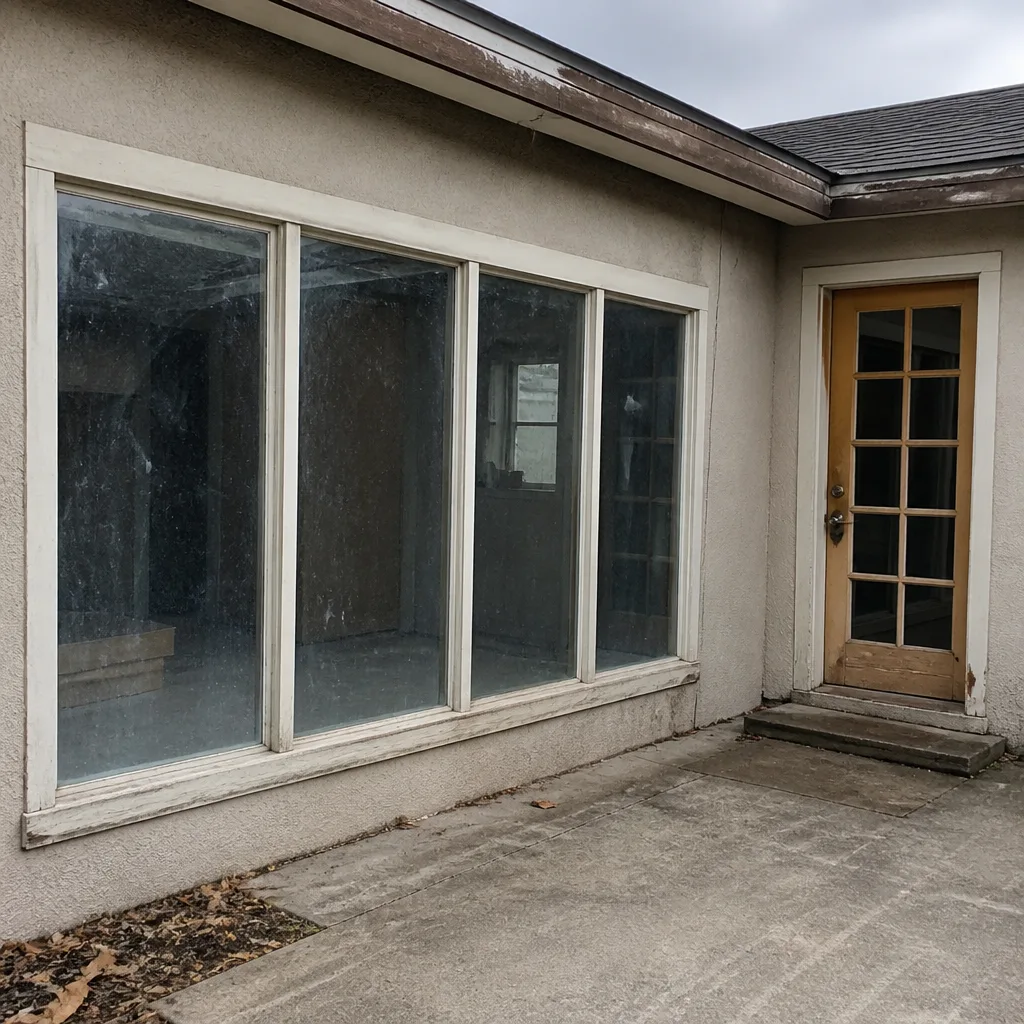 Before
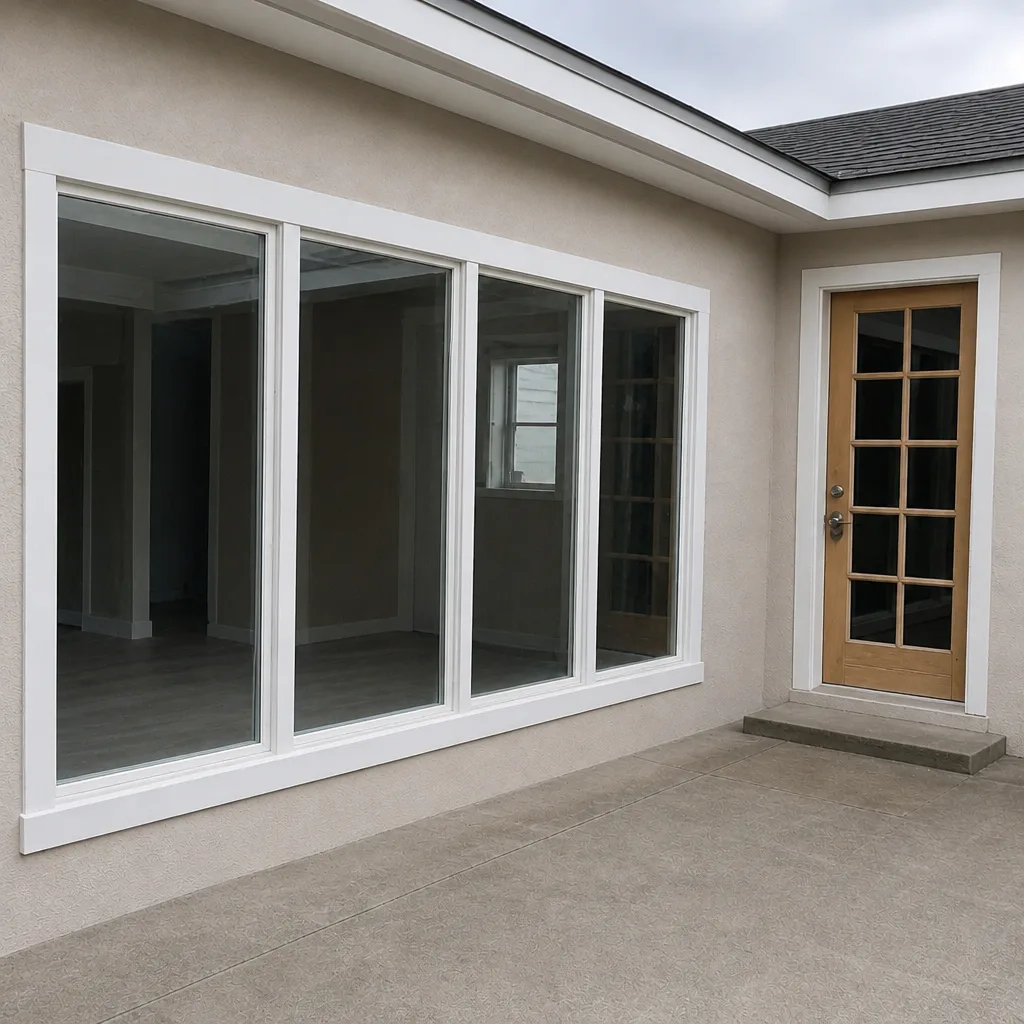 After
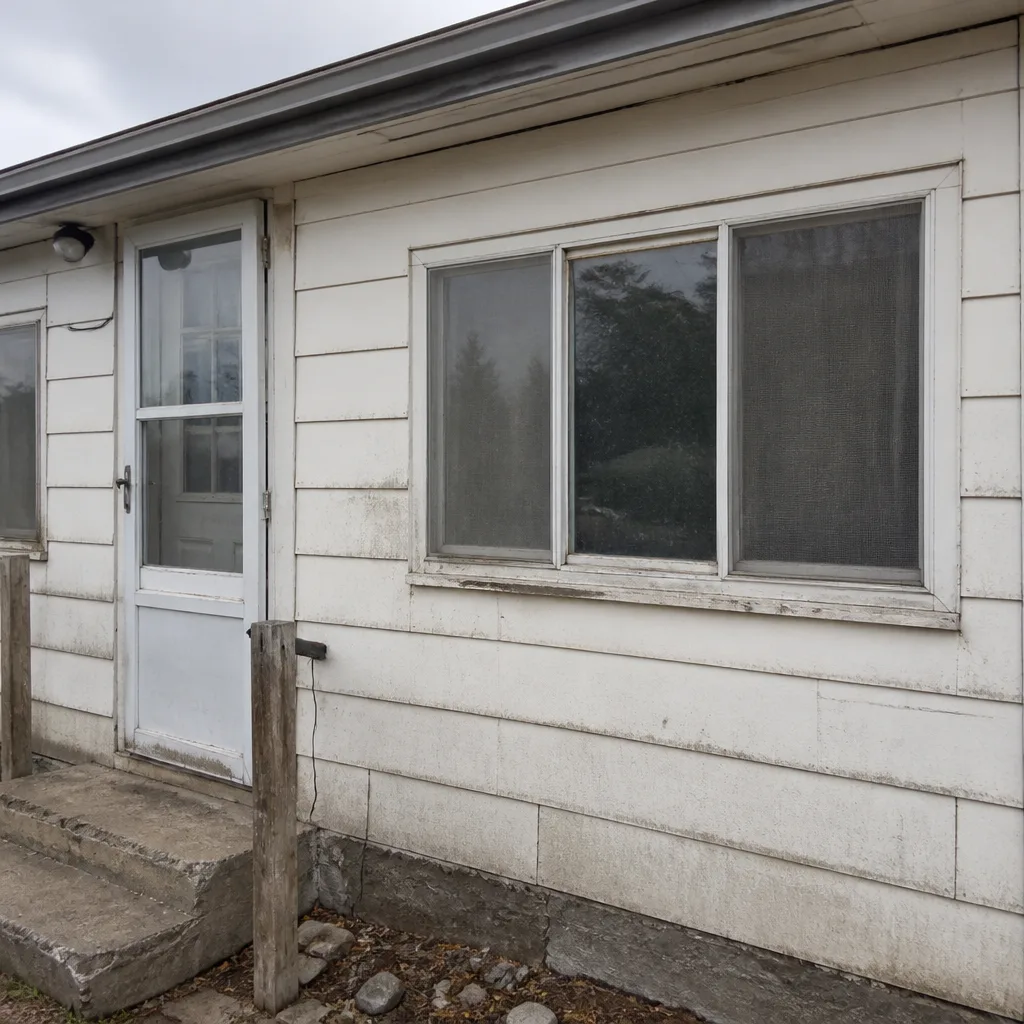 Before
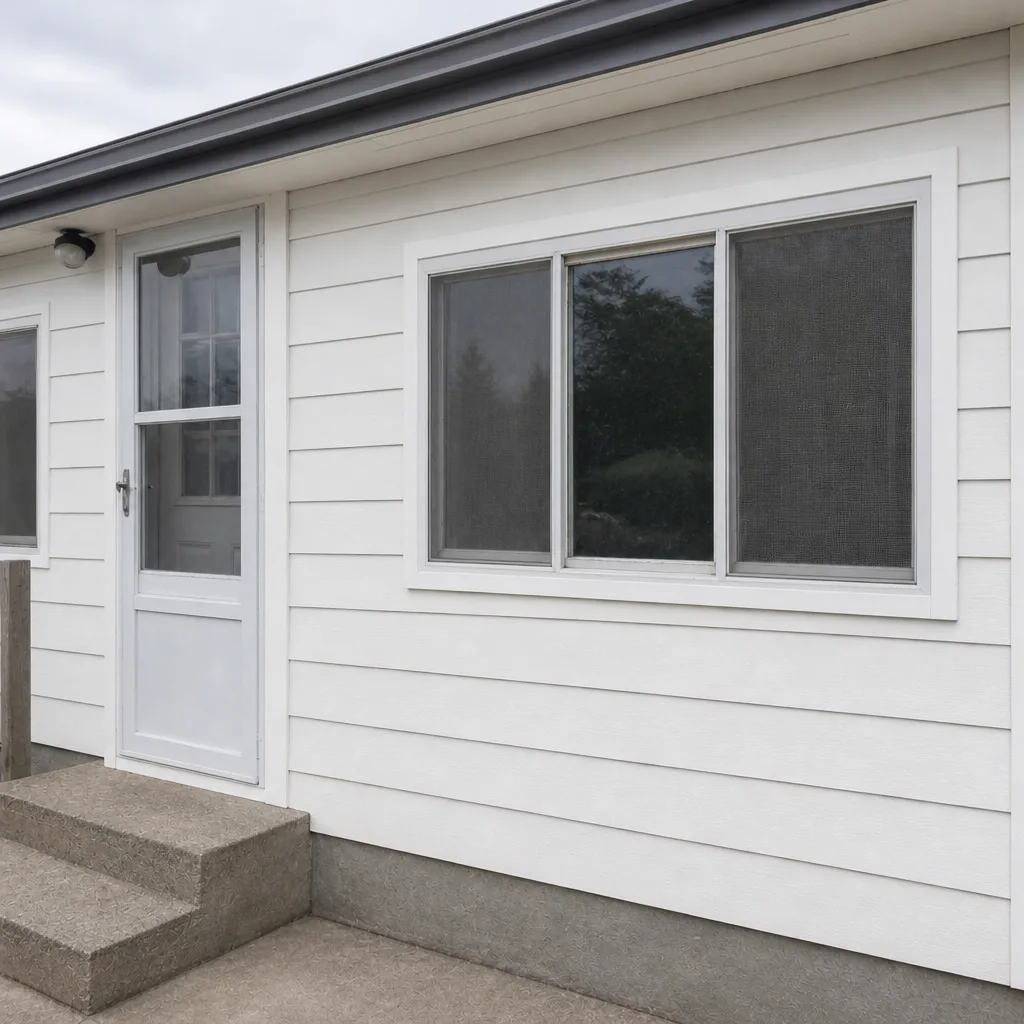 After
When to Call a Professional
Some of the seasonal checklist is yours to do: clearing weep holes, running a cloth over the frame to check for oxidation, watching for condensation. Some of it belongs in trained hands. Call us if you find fogging between the panes, because a failed IGU seal means the unit has to be replaced, not cleaned. Call us if a casement operator is so stiff you’re worried about stripping it, or if a door won’t seal evenly after a monsoon. Call us if October inspection turns up oxidation or cracks in a frame that you’d rather not try to fix yourself. And call us if any window or door has a seal that’s visibly separated, because water behind the seal is a rot problem waiting to happen. TruePane Windows & Doors Enterprise offers free estimates in Enterprise – call (844) 629-7617. We quote manufacturer lines side by side on paper, so you see exactly what you’re buying before you commit.
Frequently Asked Questions
Twice a year is the baseline: a spring pre-summer inspection in April and a fall post-summer inspection in October. Enterprise’s thermal swing adds cycles that other climates don’t, so the spring and fall checks catch most issues while they’re still cheap to fix. Between those two, clear weep holes before monsoon and check door thresholds every few weeks during the rainy season.
Fogging between the panes means the insulated glass unit’s perimeter seal has failed, not that the window is dirty. In Enterprise, the seal most often fails on south- and west-facing windows where UV and heat have cracked the sealant over several summers. Once the seal fails, moisture migrates into the cavity and you see the fog. The window unit has to be replaced; cleaning it won’t fix it. Call us at (844) 629-7617 for a free estimate.
A threshold is leaking if you see water pooling at the interior base of the door, discoloration on the threshold trim, or a soft spot in the floor near the opening after a storm. The cause is usually a failed caulk joint or a missing sill pan, not the door itself. A properly flashed frame sheds water outward and into the drainage plane. If you’ve had water intrusion in a prior monsoon, get it inspected before the next one – call us at (844) 629-7617 for a free estimate.
You can adjust the tension on some operators, but if the crank is stiff, binding, or you’re worried about stripping it, leave it to a professional. Forcing a stiff operator is the fastest way to strip the gear. Our technicians have up to 18 years of experience and are used to getting the tension right in a single visit.
Condensation is caused by interior humidity meeting a cold glass surface, and it’s most common in Enterprise during inversion events when the heater runs continuously. Keep interior humidity between 35% and 50% and run exhaust fans when cooking and showering. A low-e coating raises the interior surface temperature and reduces condensation, but it doesn’t eliminate it if humidity is high. If condensation is limited to a small corner, the window is fine. If the whole pane fogs, inspect the unit for a failed seal.
Solar film can help if it’s rated for the temperature. On double-pane units, a good film reduces heat load on the perimeter seal. On single-pane windows, film can trap heat unevenly and crack the glass. Confirm the film is rated for exterior-exposed glass, and only apply it if a professional has verified the window can take it. Our team can tell you during a free estimate at (844) 629-7617.
The Bottom Line
Enterprise’s weather doesn’t run on a four-season clock. It punishes in two seasons and offers two narrow windows for the work. April is for sealant, screen and film inspection before sustained heat stresses your glass seals. July through September is for weep holes, door thresholds and flashing during monsoon. October is for catching frame oxidation and glazing compound shrinkage before the cold swings widen the gaps. December and January are for humidity and condensation, because desert inversion events change what your low-e coating has to do. Handle those four windows and your windows and doors stay tight. Skip them and the repairs get bigger. TruePane Windows & Doors Enterprise is here when you’d rather have a professional handle the work. Call (844) 629-7617 for a free estimate. We answer live, 24 hours a day, and we’ll be there when we say.
Written by the team at TruePane Windows & Doors Enterprise.
See also our TruePane Windows & Doors Enterprise home page and our window installation and window replacement pages for more on how we work in Enterprise.