
Last updated November 17, 2026
 Sliding glass doors
 Single hung
 Double hung
 Horizontal roller
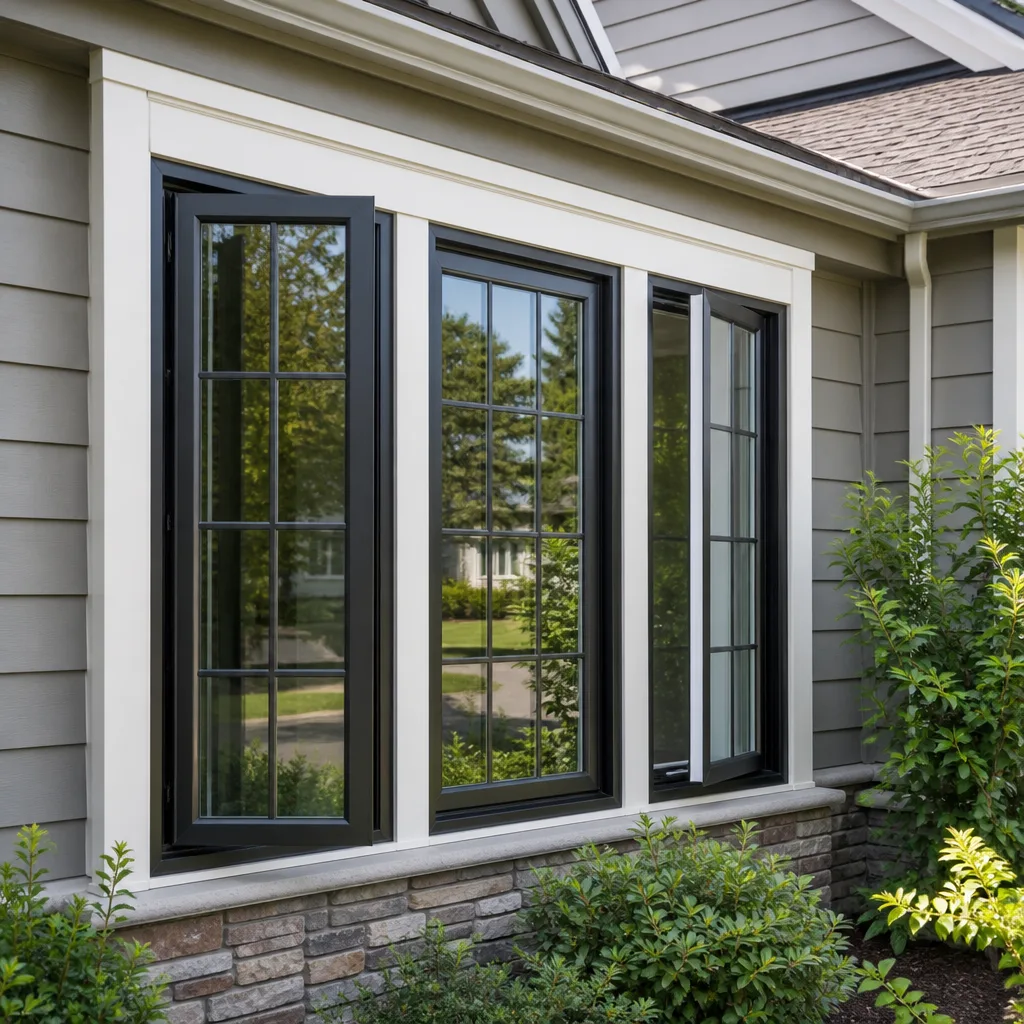 Casement
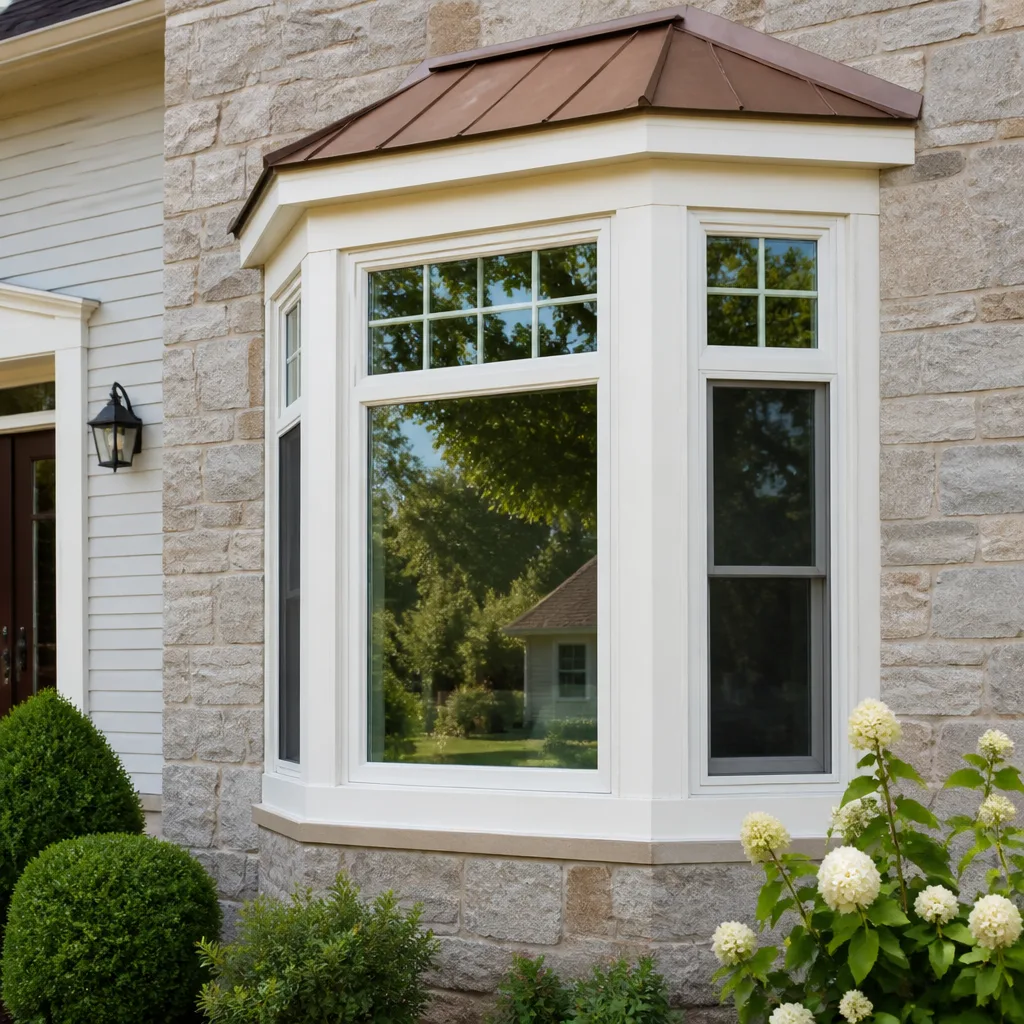 Bay & bow
 Entry doors
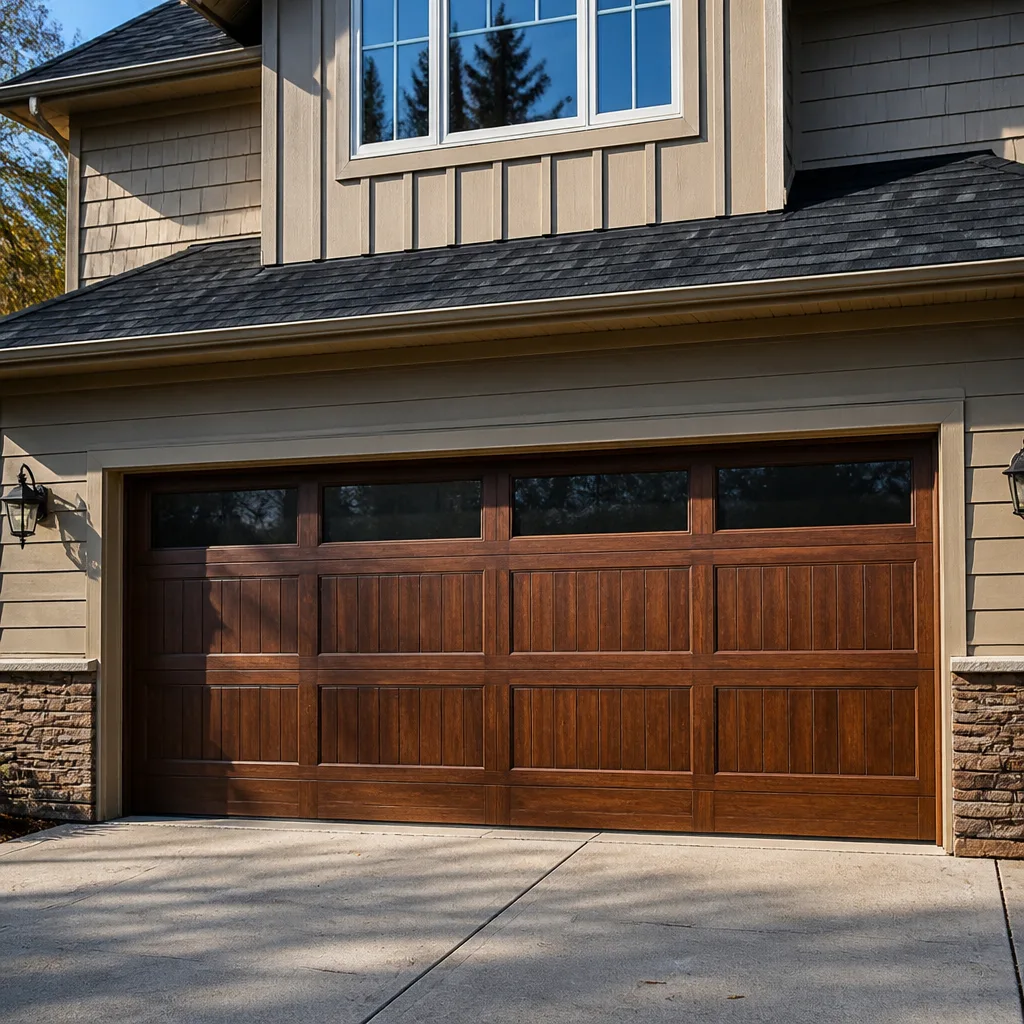 Impact garage doors
 PGT
 CGI
Free in-home measure and quote - PGT, CGI and CWS impact lines compared on your actual openings, style by style
Get your free estimateDIY vs Professional Windows & Doors: The Enterprise Homeowner’s Decision Guide
Here’s the part most how-to videos skip: a homeowner can install a window perfectly square, seal it clean, and still have voided the warranty before the first winter. The coverage language sits in the manufacturer’s document, and it almost always names professional installation as a condition. That single fact reshapes the entire DIY-versus-pro question. It stops being about whether you have the skill and becomes about what you’re willing to risk. This guide lays out the real decision criteria for Enterprise homeowners – which projects are within reach, which aren’t, what Clark County requires either way, and where you can cut cost without touching the work that decides how the window performs for the next thirty years.
Quick Answer
In Enterprise, a skilled homeowner can sometimes handle a like-for-like window swap in an existing opening on a single-story wall, but anything involving flashing integration, a structural header, egress compliance, or second-story access should go to a licensed professional. The bigger issue is warranty: most major manufacturers void coverage on self-installed product, and no amount of careful work restores it. A pro install protects both the envelope and the paperwork.
Styles & brands we work with
- Single hung
- Double hung
- Horizontal roller
- Casement
- Bay & bow
- Sliding glass doors
- Entry doors
- Impact garage doors
- PGT
- CGI
Table of Contents
- What DIY Window Installation Actually Demands
- Window Types and Situations Within Reach of a Skilled DIYer
- When the Work Crosses Into Licensed Territory
- What the Manufacturer Warranty Language Actually Says
- Clark County Permits and the Cost of a Failed Inspection
- A Realistic Tool-and-Time Cost Model for Enterprise
- How to Cut Cost Without Touching the Envelope
- Reading the Warning Signs After an Install
What DIY Window Installation Actually Demands
The skill question gets framed as a yes-or-no. It isn’t. Window installation is a stack of separate competencies, and a homeowner might be strong in some and weak in others. A retired cabinetmaker in Enterprise can cut trim and shim a frame better than most crews. That same person may have never integrated a sill pan and flashing into a stucco wall, which is the part that determines whether water gets behind the assembly in a monsoon.
The competencies break down roughly like this:
- Opening measurement and prep. Rough opening dimensions, level, plumb, and square. Forgiving if you measure twice and check with a laser or a good level.
- Removal and demolition. Heavy, dusty, low-risk. A homeowner can do this all day.
- Flashing and water management. Sill pans, head flashing, and the integration into the weather-resistive barrier. This is where most amateur installs fail, and where the failure is invisible for years.
- Structural work. Any change to header size or opening width. This crosses into engineering and permit territory.
- Egress and code compliance. Bedroom windows have minimum clear opening requirements. Getting these wrong fails inspection.
- Insulation and air sealing. Spray foam, backer rod, and caulk lines that decide whether the window leaks air and energy dollars.
In our experience across Enterprise, the homeowners who succeed at DIY are the ones honest about that third item on the list. The ones who get into trouble assume a window is a rectangle you screw into a hole. It’s a water-management system that happens to have glass in it.
Window Types and Situations Within Reach of a Skilled DIYer
Some projects genuinely fit a capable homeowner. A like-for-like replacement in an existing opening is the clearest case: same size, same operation, same wall. If you’re pulling a tired single-hung out of a stucco wall in a Green Valley Ranch tract home and dropping in an identical unit, the geometry is already set and the flashing details are established. That’s a real weekend project for someone with the right tools.
Interior work is squarely in reach. Trim, casing, sill returns, and paint are finish carpentry, not envelope work. They affect how the job looks, not whether it holds water.
The situations that stay within reasonable DIY reach:
- Single-story, ground-floor openings with straightforward access.
- Like-for-like replacement where the rough opening doesn’t change.
- Interior trim, casing, and finish work after the unit is set.
- Removal, demolition, and haul-away.
- Caulking and touch-up painting around a properly installed unit.
Where it stops: new construction openings, any change to the size or shape of the opening, second-story or ladder work, stucco or masonry walls that need flashing integration, and any window that serves as a bedroom egress. That last one matters more than people realize. The Nevada residential code sets a minimum clear opening, and a window that doesn’t meet it is a life-safety problem, not a cosmetic one. For anyone weighing the scope of a larger job, our guide to Window Replacement in Enterprise walks through how a full replacement differs from a simple swap.
When the Work Crosses Into Licensed Territory
Three categories move a project out of DIY reach regardless of skill level: structural integration, flashing integration in exterior wall assemblies, and egress compliance. These aren’t about difficulty. They’re about liability and code.
Structural headers. Widening an opening or changing a window to a door means the load above has to be carried differently. That’s a header calculation, and in Clark County it belongs to a licensed contractor and, in most cases, a permit.
Flashing and the wall assembly. A window is only as good as the path water takes around it. In Enterprise, where summer monsoon storms dump rain hard and fast, the sill pan and head flashing are doing real work. Getting that integration wrong in a stucco wall means water finds the sheathing and the framing, and you won’t see it until the drywall stains.
Egress. Bedroom windows must meet minimum clear opening dimensions. This is checked at inspection, and it protects the people sleeping in that room.
Because these three overlap so often, a window that looks like a swap can turn into a structural and envelope job the moment you open the wall. Professionals who install storefront-grade and heavy systems – ES Windows, ECO Window Systems, and CWS among them – build their process around that overlap, because they’ve seen what happens when it’s ignored. A door that binds, a window that fogs between the panes, a seal that fails in year three: those are the symptoms that trace back to this layer of the work.
What the Manufacturer Warranty Language Actually Says
This is the part that decides the question for most Enterprise homeowners, and it’s the part nobody reads before purchase. Major window manufacturers condition their coverage on professional installation. The language varies, but the pattern is consistent across the industry’s big names – Andersen, Pella, Marvin, Milgard, Jeld-Wen, and others.
Here’s the shape that language takes, paraphrased from the warranty documents themselves:
- Coverage requires installation by a licensed or authorized professional. Self-installed product typically voids the labor and often the product coverage.
- Repairs must be done by an authorized party. A homeowner’s own fix during the coverage period can void what’s left.
- Warranty registration is required within a set window after installation. Miss the registration and the coverage doesn’t start, even if the install was perfect.
There are two warranty layers, and homeowners routinely conflate them. The manufacturer covers the product. The installer covers the workmanship. A self-install collapses both into one party, and that party has no recourse when the seal fails in year four. This is exactly why our Window Installation in Enterprise process registers both layers in writing before the crew leaves, with the durations stated. It’s also why the door side works the same way, which you can see laid out in Door Installation in Enterprise.
Clark County Permits and the Cost of a Failed Inspection
Permits apply whether the work is owner-performed or contracted. That surprises a lot of homeowners who assume doing it themselves skips the paperwork. It doesn’t. Clark County requires permits for window replacements when the work involves structural changes, and the inspection process checks the same things it checks on a contractor’s job: flashing, fastening, egress, and code compliance.
A failed DIY inspection is where the numbers get uncomfortable. Remediation typically means:
- Re-opening the wall around the window to expose the flashing and fastening the inspector flagged.
- Replacing the failed component, sometimes the window itself if the failure is at the frame or seal.
- Re-installing and re-inspecting, at the reinspection fee plus the cost of the rework.
- Covering the new damage: drywall, stucco patch, paint, and interior trim.
The exposure isn’t the inspection fee. It’s the wall you have to open twice and the finish work you pay for twice. In Enterprise, where stucco patch and matching paint run higher than a builder-grade drywall repair, a failed inspection can wipe out the labor you thought you saved and then some.
A Realistic Tool-and-Time Cost Model for Enterprise
DIY math usually stops at the window price. The honest model includes tools, materials, and time. Below is a working range for a single like-for-like window in Enterprise. Treat these as planning figures, not a quote.
| Line item | DIY (owner-performed) | Professional install |
|---|---|---|
| Window unit (mid-grade, per opening) | $350 – $700 | $350 – $700 |
| Flashing, sill pan, sealant, foam | $40 – $90 per opening | Included in install |
| Specialty tools (laser level, pry bars, foam gun, right-angle drill) | $150 – $400 one-time | Not applicable |
| Labor | Your time (4-8 hours per opening) | Quoted upfront, line-item |
| Interior trim and paint | $30 – $80 | Quoted separately |
| Permit and inspection | Applies either way | Applies either way |
| Warranty coverage | Voided on self-install | Both layers registered in writing |
The tools are a one-time cost, and some homeowners already own them. The real exposure is the last line. A voided warranty means that when the seal fails – and in Enterprise’s heat-and-dust cycle, seals do get tested – the replacement is on you. That’s the number DIY math leaves out. On a project you’ll live with for twenty years, a square deal with no surprises on the bill is often the cheaper path over the long run. If you want to see how material lines affect the total, the range of finishes and hardware for your opening is laid out in our TruePane Windows & Doors Enterprise home overview.
How to Cut Cost Without Touching the Envelope
You don’t have to choose between paying full install cost and taking the whole job on. There’s a middle path, and it’s where a lot of our Enterprise homeowners save real money. The work that decides how a window performs – measuring, flashing, setting, sealing, and registering the warranty – stays with the professional. The work around it is yours.
The tasks that are genuinely safe to take on:
- Move furniture and clear the work area. No skill required, and it saves the crew setup time.
- Handle demolition and haul-away. Pull the old unit and trim if you’re comfortable, and dispose of the debris.
- Do the interior trim and finish work. Casing, sill returns, and paint are yours to handle if you want them.
- Prep the exterior for painting. Caulk touch-ups and paint-ready surfaces after the install is set.
- Take care of the landscape. Protect or move plants, and clear the ladder path before the crew arrives.
What stays with the pro: measurement, flashing and sill pans, setting and shimming, air sealing, and warranty registration. That division keeps the envelope and the paperwork intact while you keep the cost down on the parts that don’t affect water or coverage.
Reading the Warning Signs After an Install
If a window or door was installed – by you or anyone else – these are the symptoms that tell you the job wasn’t done right. In our experience across Enterprise, they show up in a predictable order.
- Condensation or fog between the panes. The seal has failed. This is a warranty claim if the coverage is intact, and a replacement if it isn’t.
- A door that binds in July and swings free in January. Thermal movement is stressing a frame that wasn’t set square. Common in our high-desert swing between seasons.
- Water staining on interior drywall near the window head or sill. Flashing failure, and the one that’s easiest to miss because the exterior still looks fine.
- Drafts around the frame even when the window is closed. Air sealing wasn’t done or has failed. Your energy bill will tell you before your eyes do.
- Visible daylight at the corners. The unit is out of square or the opening wasn’t prepped correctly.
Any of these is worth a look before they get worse. A repair is cheaper than a replacement almost every time it’s caught early, and a live person answers our phone at any hour to talk it through.
Common Mistakes to Avoid
- Buying the window before checking the warranty document. The installation condition is in the fine print, and it voids coverage on self-installed product. Read it before you pay, not after.
- Skipping the sill pan because the old window didn’t have one. Old windows often failed for exactly that reason. In Enterprise’s monsoon season, a missing sill pan is a known path to water damage behind the stucco.
- Assuming DIY skips the permit. It doesn’t. Clark County permits apply to owner-performed work, and a failed inspection costs more than a pass.
- Not registering the warranty. Both layers need registering within the required window. Miss it and the coverage never starts, no matter how clean the install.
- Replacing a bedroom window without checking egress dimensions. A window that doesn’t meet the clear opening minimum is a life-safety failure at inspection.
- Over-tightening the fasteners into the frame. It warps the sash and causes binding and seal failure. The unit sets into the opening; it doesn’t get cranked down.
- Ignoring the door side of the same question. Doors carry the same warranty conditions and the same flashing integration problems, and they get missed because everyone focuses on windows.
See the difference
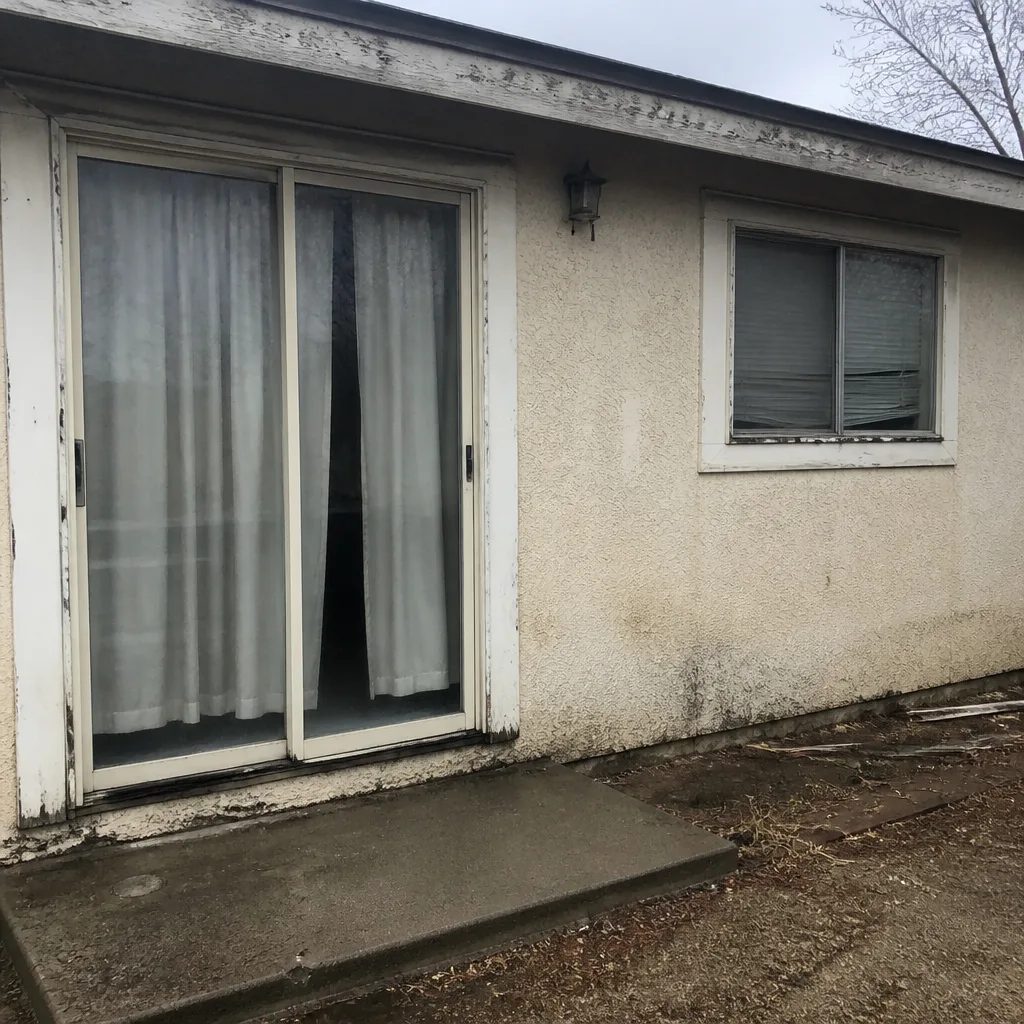 Before
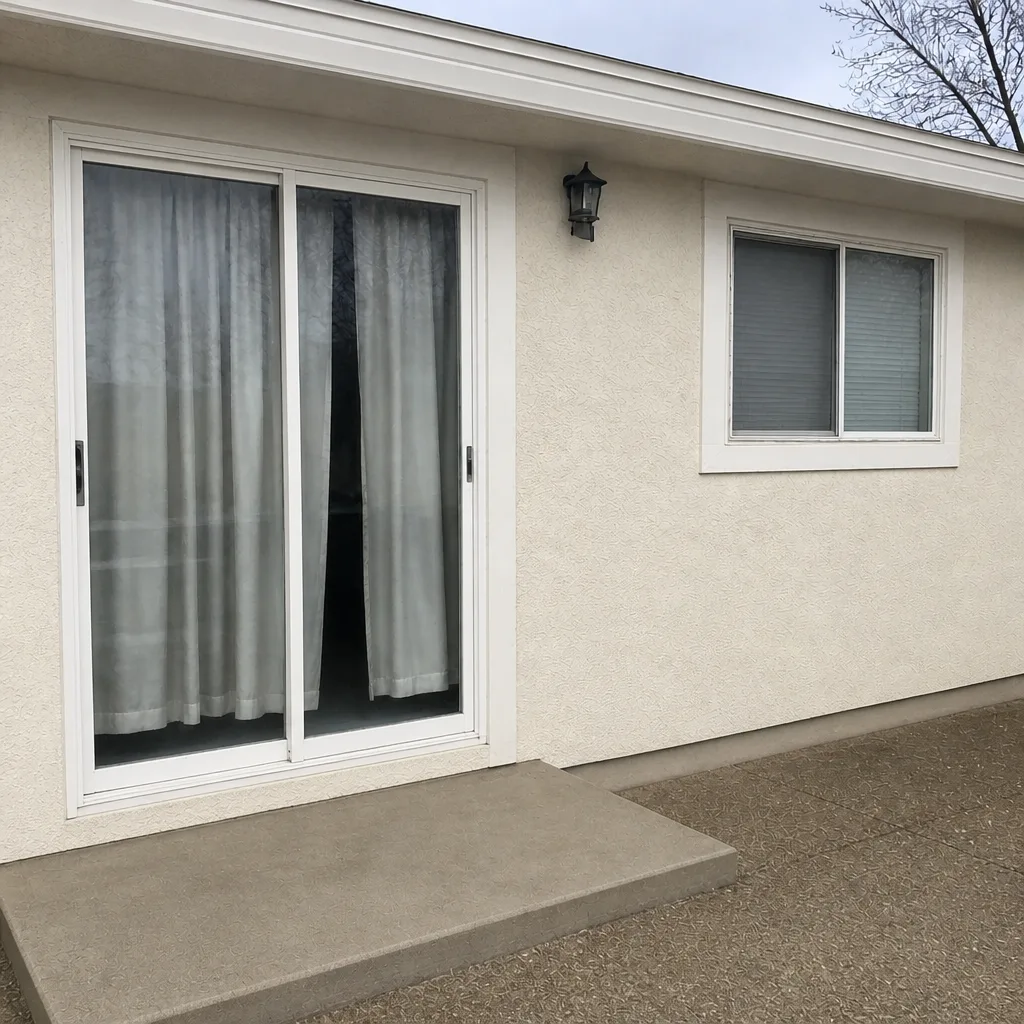 After
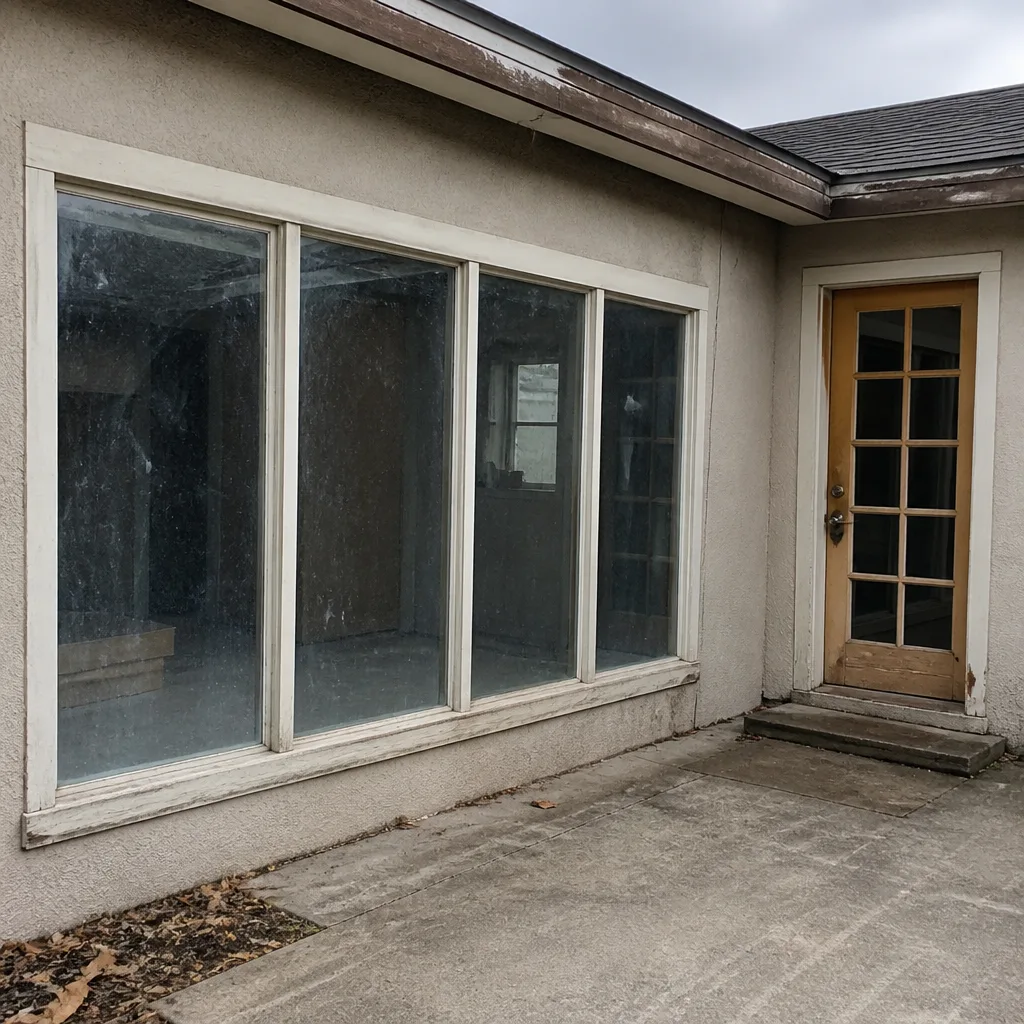 Before
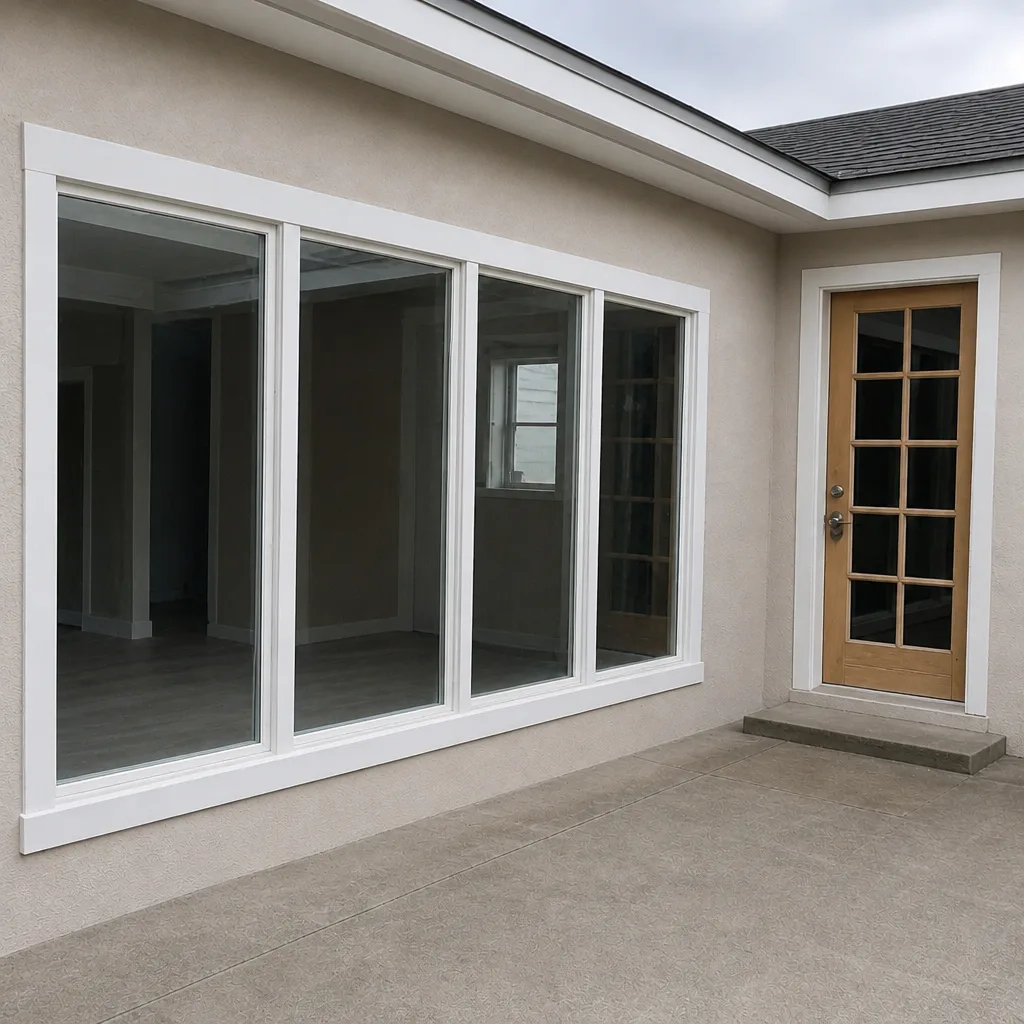 After
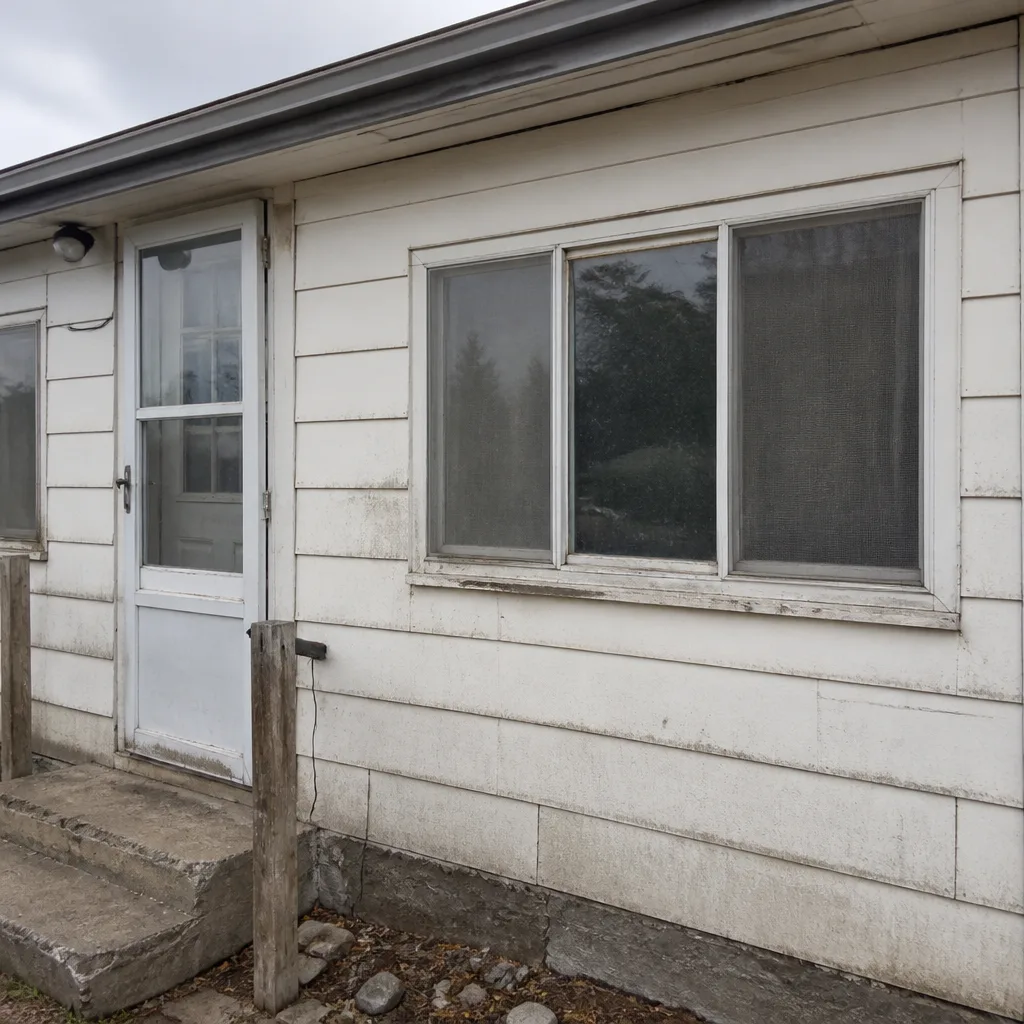 Before
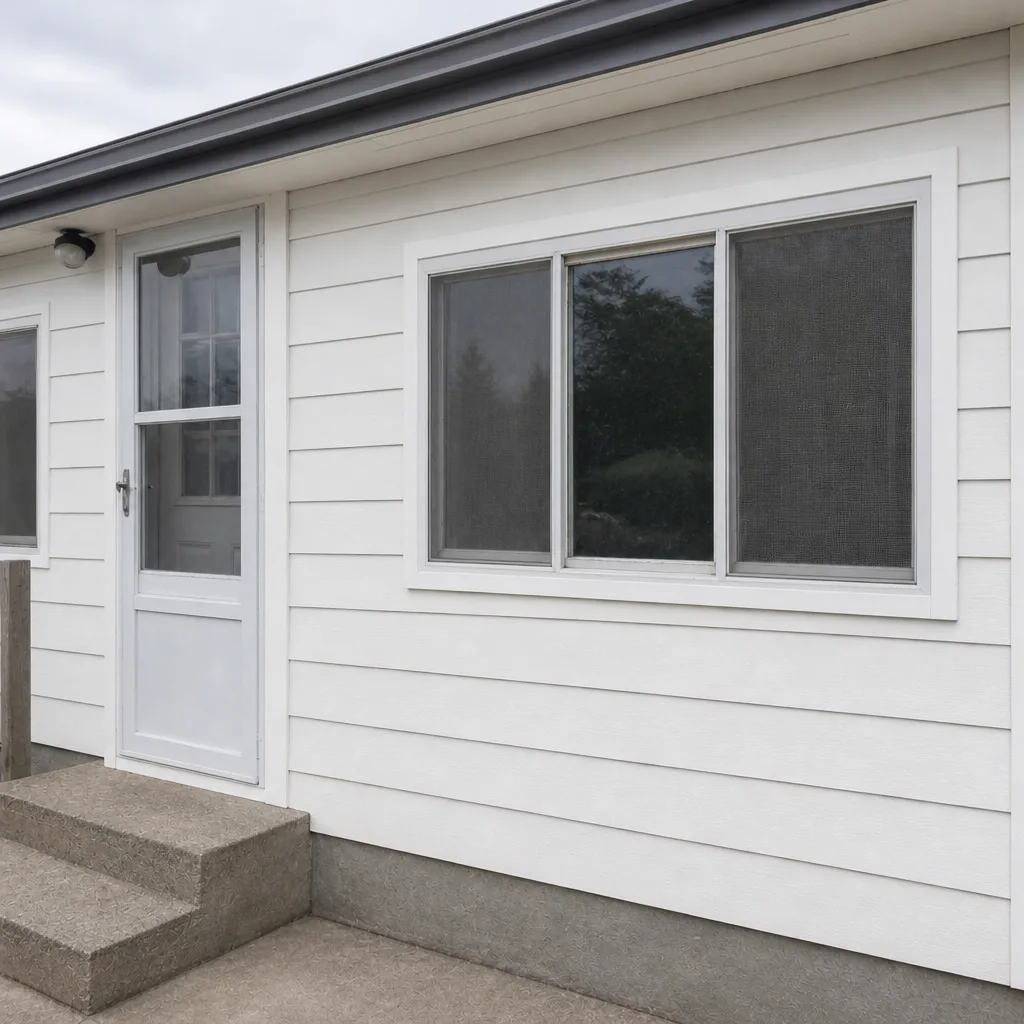 After
When to Call a Professional
Call a professional when the project involves any of these: a change to the opening size or shape, a structural header, flashing integration in a stucco or masonry wall, second-story or ladder access, a bedroom egress window, or any door replacement. Call if the existing install shows water staining, fogged panes, or a door that binds with the seasons. Call if you’ve bought a window and haven’t read the warranty document. And call if you’re weighing a full replacement against a swap and want the numbers side by side on paper. TruePane Windows & Doors Enterprise offers free estimates in Enterprise – call (844) 629-7617.
Frequently Asked Questions
You can legally install windows on your own property in Enterprise in many cases, but self-installation typically voids the manufacturer warranty, and Clark County permits and inspections still apply. The work is only reasonable for a like-for-like swap in an existing opening on a single-story wall, and only if you’re confident in the flashing and sealing details.
In most cases, yes. Major manufacturers – Andersen, Pella, Marvin, Milgard, Jeld-Wen, and others – condition coverage on professional installation, and the language appears in the warranty document itself. A self-installed window usually voids both the product and labor coverage, and there’s no way to restore it after the fact.
Plan on roughly $350 to $700 per opening for the window unit, plus installation labor that varies by opening size, wall type, and access. The total is quoted upfront with line items on paper, so there are no surprise charges on the bill. Call (844) 629-7617 for an exact quote – estimates are free.
You need a permit when the work involves structural changes, and the requirement applies whether a contractor or the homeowner performs the work. A failed inspection on a DIY job usually means opening the wall again to fix the flashing or fastening, plus a reinspection fee and the finish work to cover it.
Flashing and water management. Setting the window square is straightforward for a careful homeowner; integrating the sill pan and head flashing into the weather-resistive barrier so water sheds correctly is where amateur installs fail. In Enterprise’s monsoon climate, that failure shows up as interior water staining years before the exterior looks wrong.
Yes, and a lot of homeowners do. Demolition, haul-away, interior trim, and finish paint are safe to take on yourself. The measuring, flashing, setting, sealing, and warranty registration stay with the professional, which keeps the envelope and the coverage intact while you cut the cost on the parts that don’t affect performance.
The Bottom Line
The DIY-versus-pro question for windows isn’t about whether you’re handy. It’s about what you’re willing to put at risk: the warranty, the inspection, and the envelope of your home. A homeowner can absolutely handle a like-for-like swap in the right opening, and can save real money on demolition, trim, and cleanup. What nobody can do alone is restore a voided warranty or see water damage behind the stucco before it stains the drywall. In Enterprise, the smart move is to take on the finish work and leave the envelope and the paperwork to the pros. When you’re ready to price it, our team will quote your options side by side and stand behind the work in writing. Call (844) 629-7617 for a free estimate.
Written by the team at TruePane Windows & Doors Enterprise.