
Last updated November 17, 2026
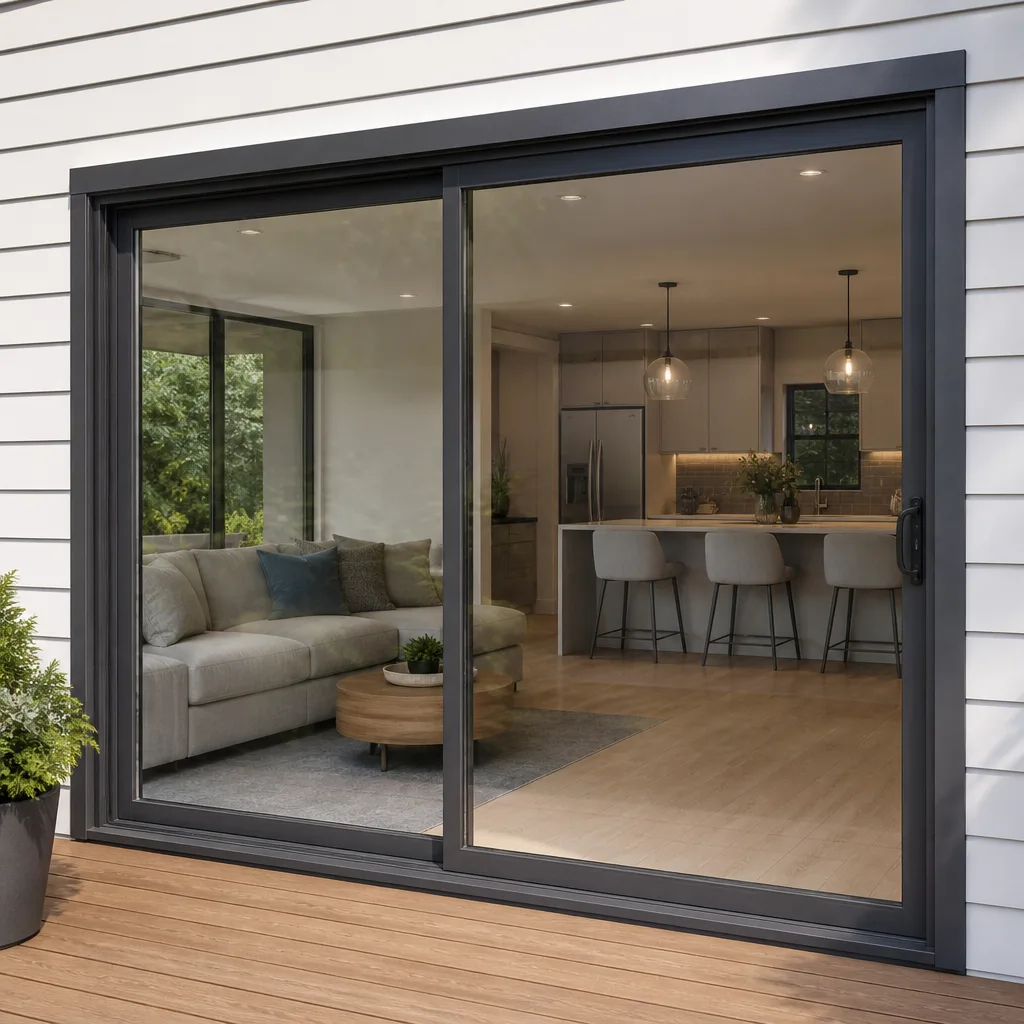 Sliding glass doors
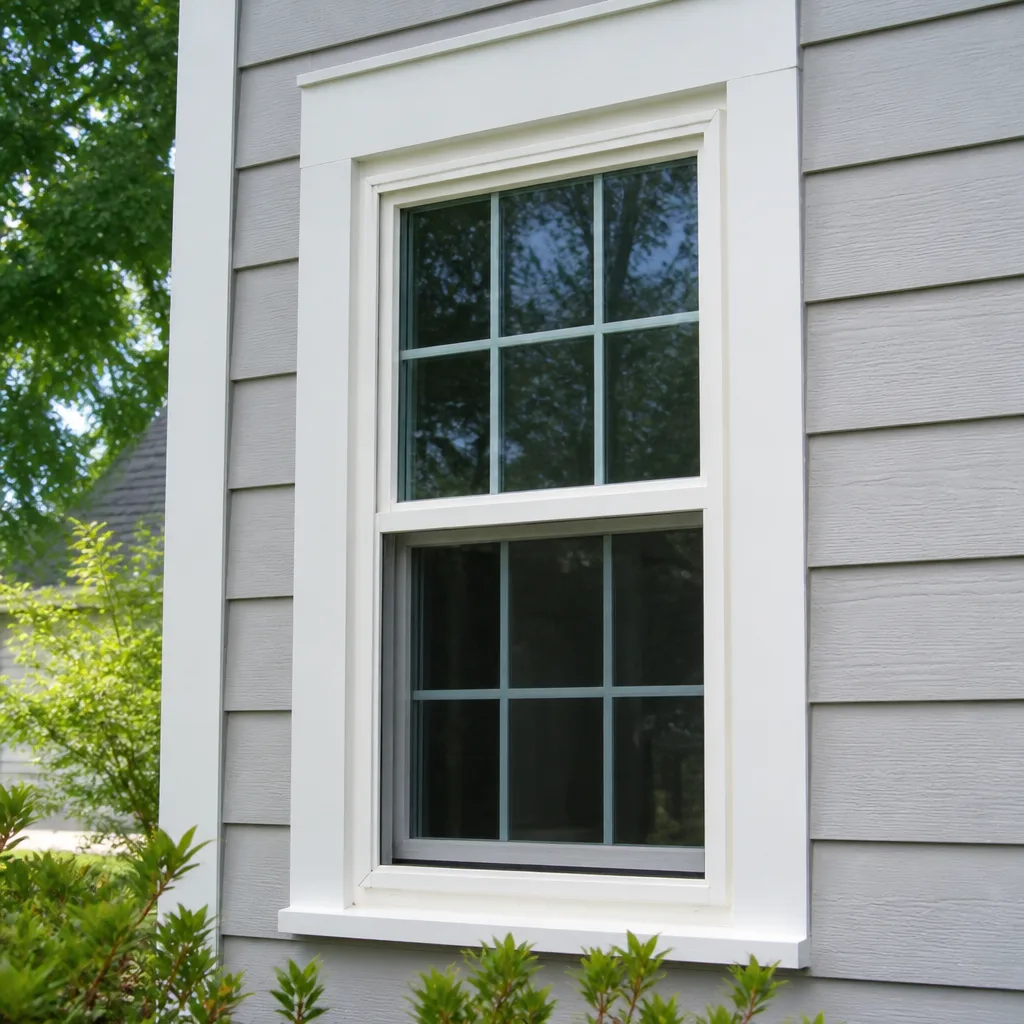 Single hung
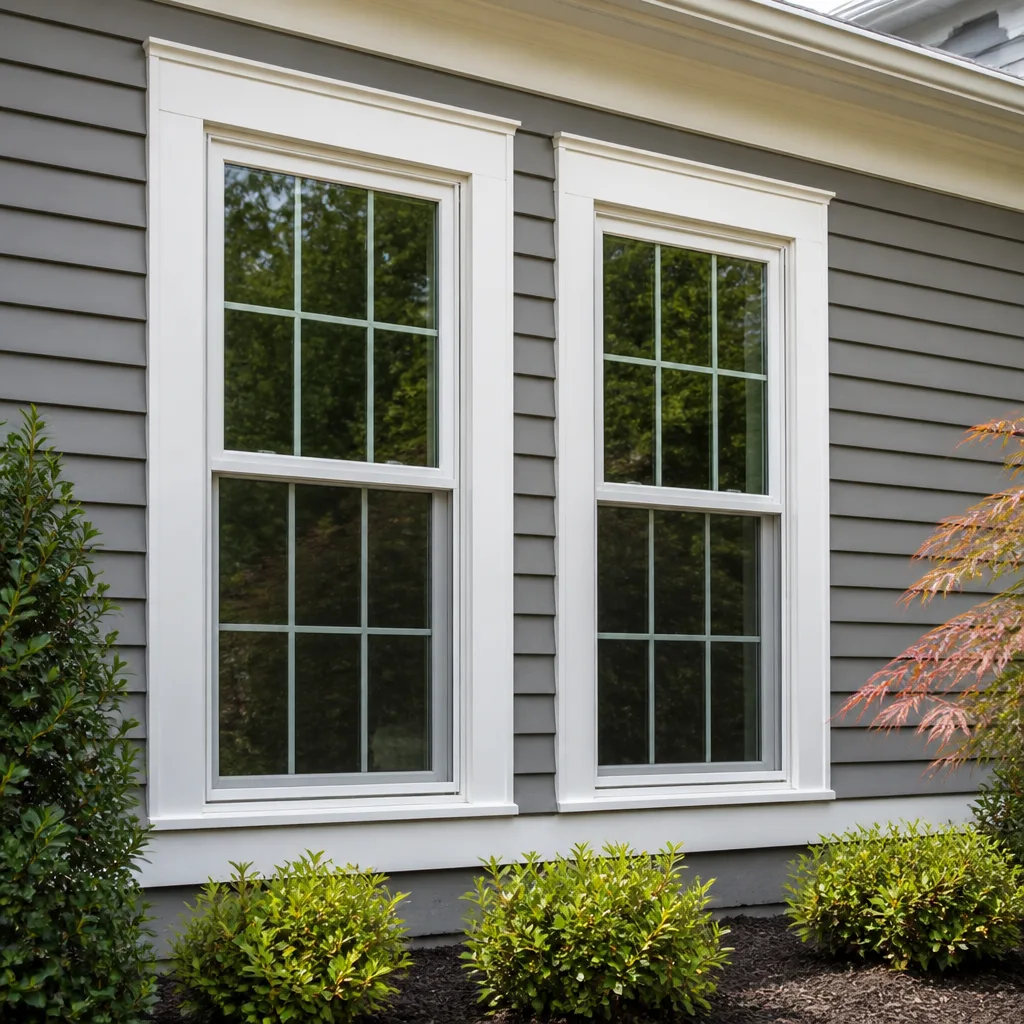 Double hung
 Horizontal roller
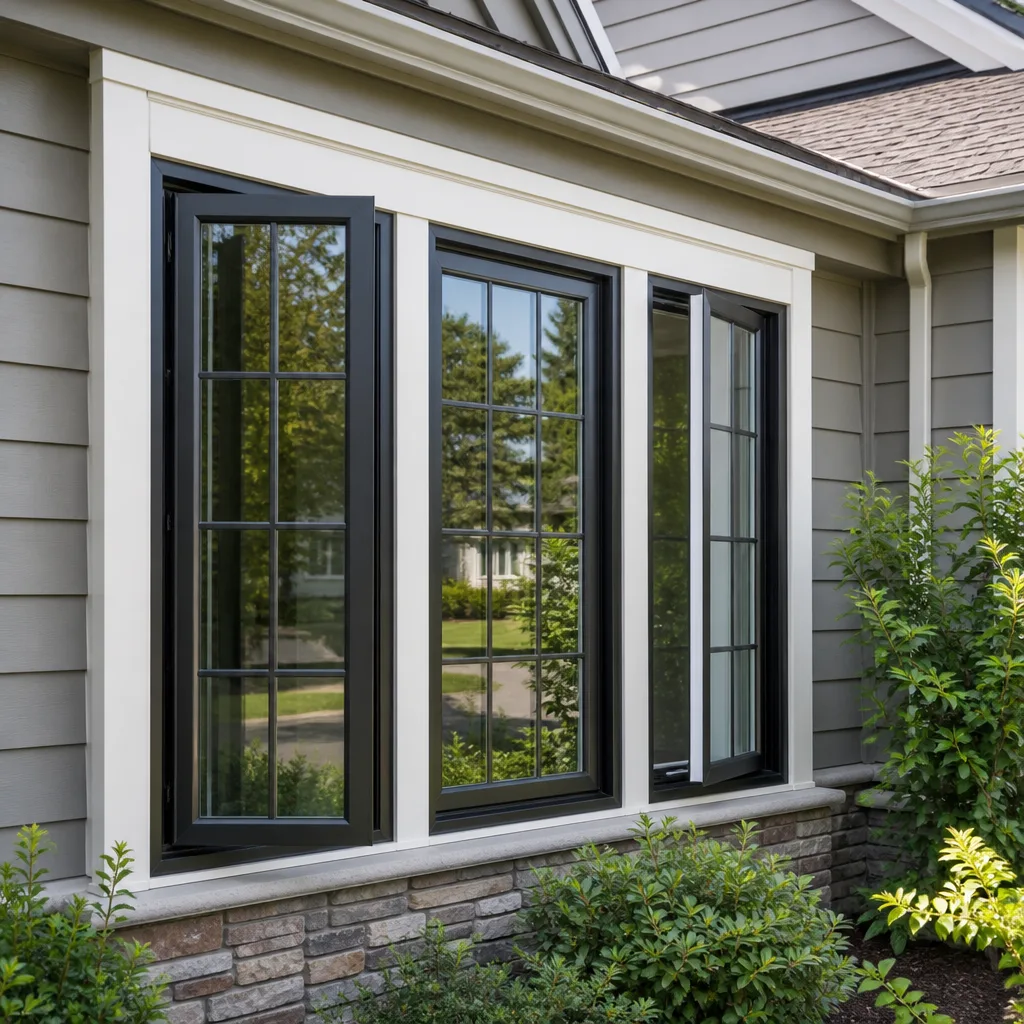 Casement
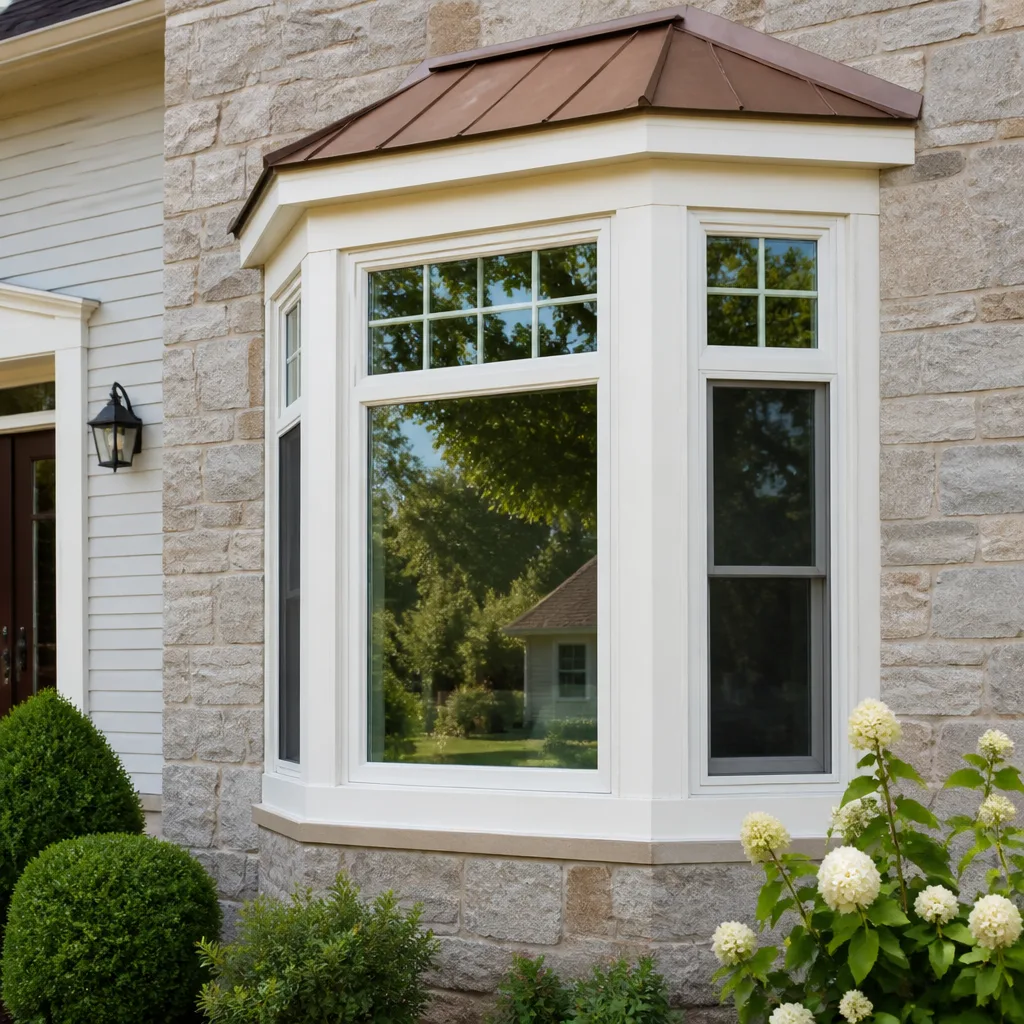 Bay & bow
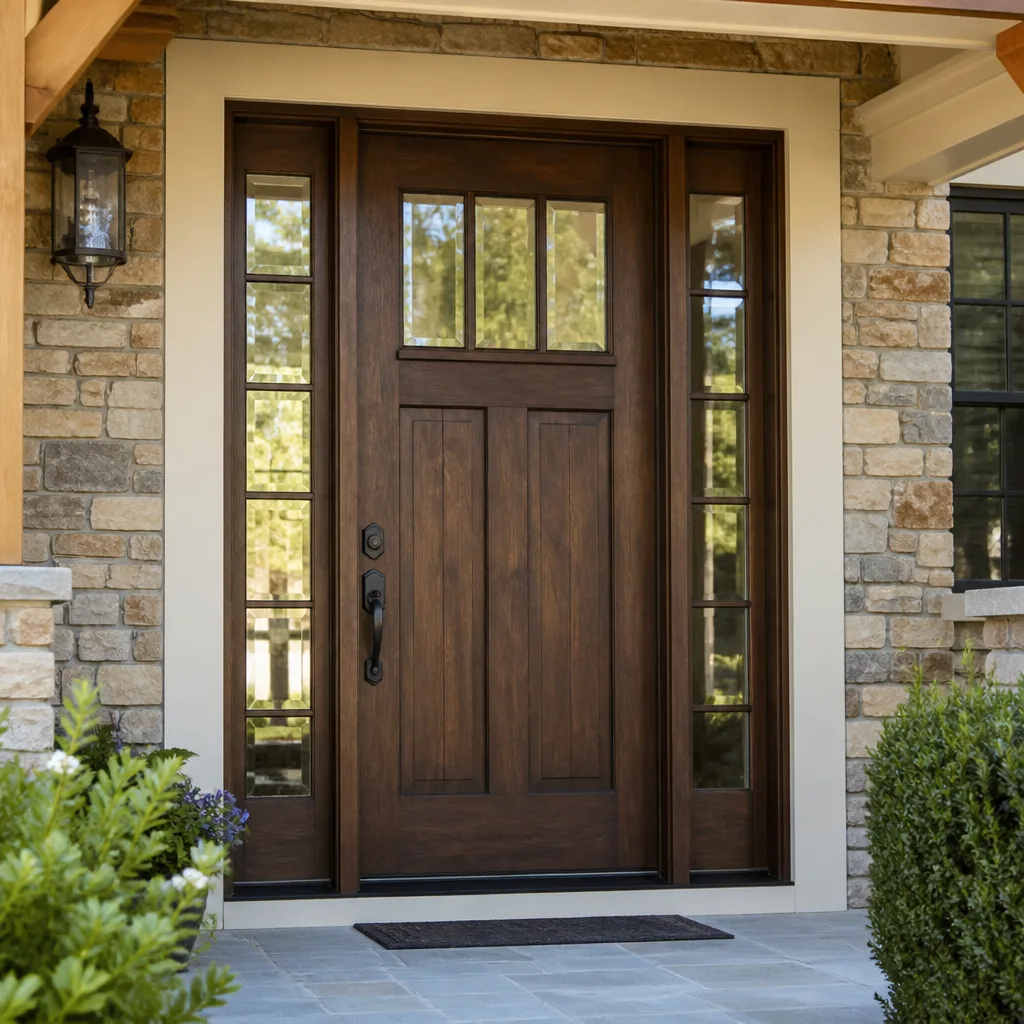 Entry doors
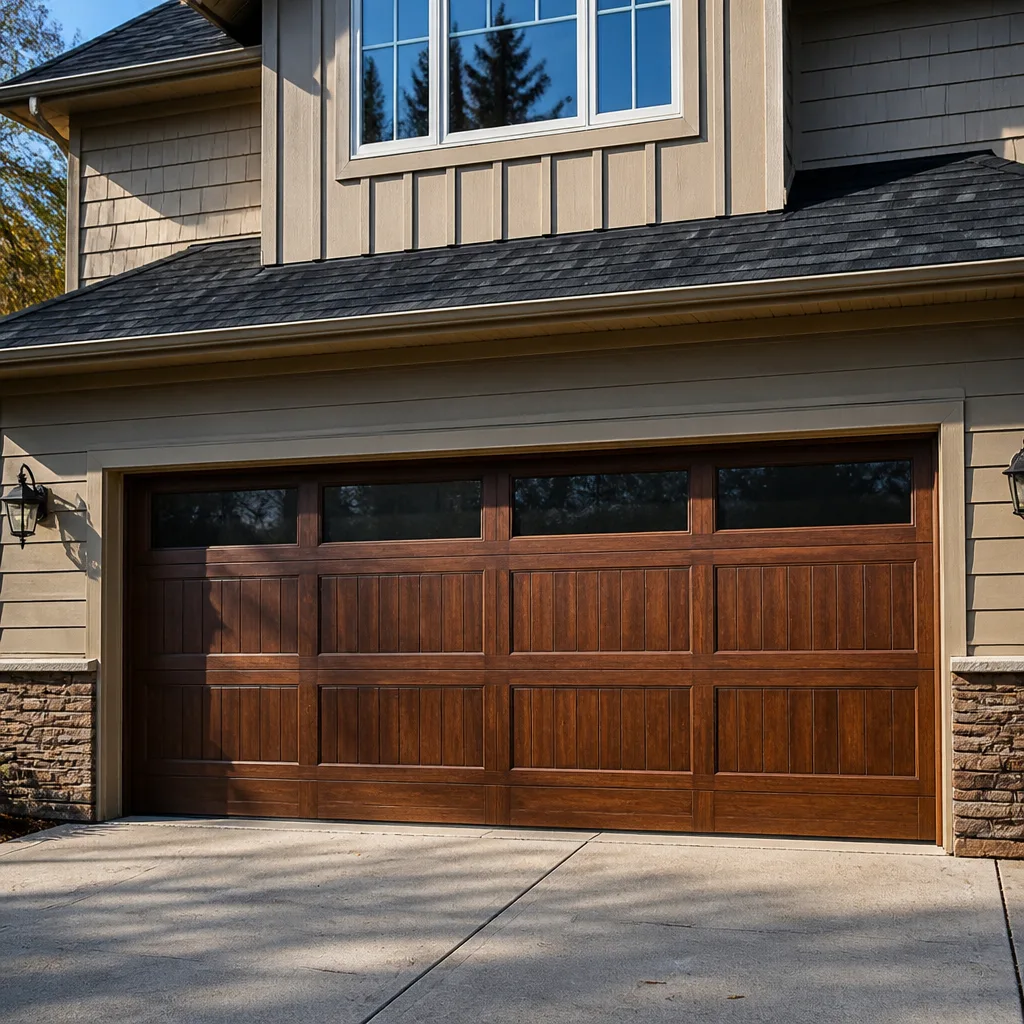 Impact garage doors
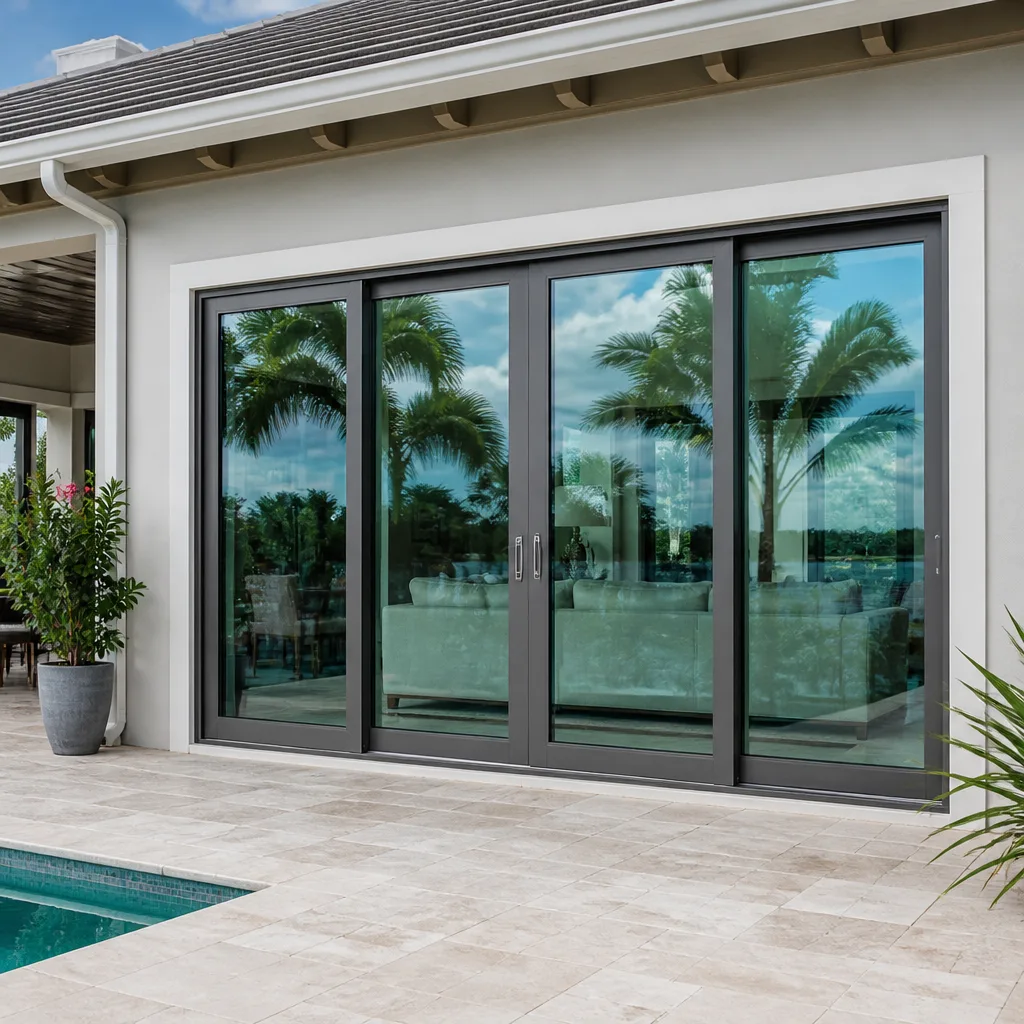 PGT
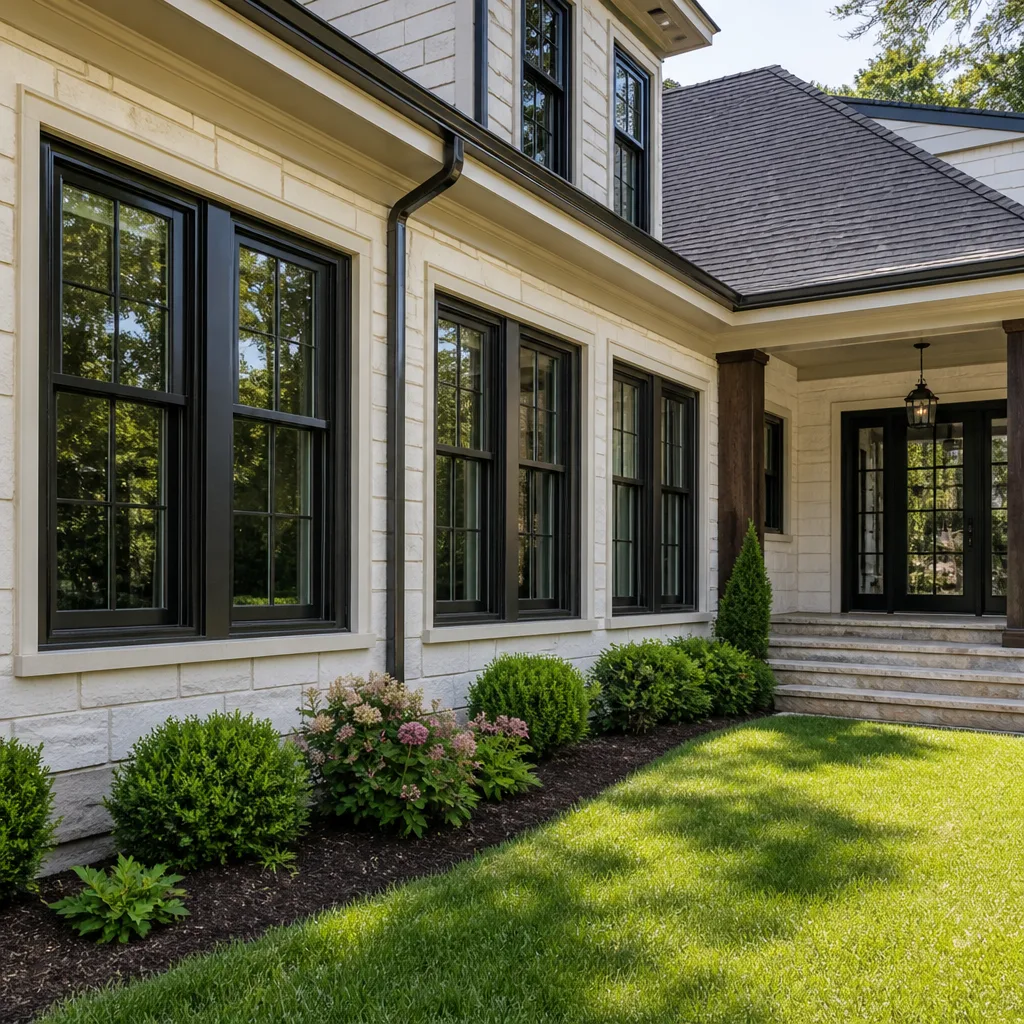 CGI
Free in-home measure and quote - PGT, CGI and CWS impact lines compared on your actual openings, style by style
Get your free estimateWindows & Doors Cost Breakdown: The Enterprise Homeowner’s Reference for 2026
The average gap between an Enterprise window replacement quote and the final invoice runs between 11 and 23 percent, and almost all of it is predictable before demo day. That spread is rarely a contractor trying to pull one over on you. It is scope that never made it into the bid in the first place: sill pan flashing, disposal, permit fees, and the structural repair nobody priced because nobody pulled the casing off before writing a number. After more than 42 years serving local communities, we’ve watched homeowners sign a quote that looked clean and end up holding a bill full of asterisks. This reference gives you a complete cost model, line by line, so the invoice matches the promise.
Quick Answer
In 2026, window replacement in Enterprise runs roughly $650 to $1,400 per unit installed for standard vinyl and aluminum, and $1,100 to $2,800 per unit for wood, fiberglass, and clad lines, with full-frame installs and Nevada energy-code upgrades adding to the top of that range. Door replacement ranges from about $900 for a basic exterior door to $6,500 or more for a premium sliding or impact-rated patio door. The variables that move your final number most are the condition of the rough opening, whether the bid includes sill pan flashing and disposal, and whether both manufacturer warranty layers get registered in writing before the crew leaves.
Styles & brands we work with
- Single hung
- Double hung
- Horizontal roller
- Casement
- Bay & bow
- Sliding glass doors
- Entry doors
- Impact garage doors
- PGT
- CGI
Table of Contents
- What Does Window Replacement Cost Per Unit in Enterprise in 2026?
- What Line Items Get Left Out of Low Bids?
- How Does Rough-Opening Condition Change the Price?
- What’s the Cost Difference Between Standard and Nevada Energy Code?
- What NV Energy Rebates Apply to Window Upgrades?
- What Does Door Replacement Cost in Enterprise?
- What Is a Written Warranty Registration Actually Worth?
- Do I Need a Permit for Window Replacement in Clark County?
What Does Window Replacement Cost Per Unit in Enterprise in 2026?
Per-unit pricing in Enterprise tracks Clark County labor rates, which run higher than the national average because of demand and code requirements, not because installers here are gouging. Here is a working model for 2026, with the frame material and window type applied. These are installed prices that include removal, replacement, and disposal of the old unit, and we’ll talk about what pushes an install above the middle of the range in a moment.
- Single-hung, vinyl: $650 to $950 per unit
- Single-hung, fiberglass: $1,050 to $1,450 per unit
- Single-hung, wood or aluminum-clad: $1,300 to $1,900 per unit
- Casement, vinyl: $850 to $1,250 per unit
- Casement, fiberglass or clad: $1,250 to $2,000 per unit
- Sliding, vinyl: $900 to $1,300 per unit
- Sliding, fiberglass or clad: $1,400 to $2,100 per unit
- Picture (fixed) window, vinyl: $550 to $850 per unit
- Picture window, large or custom: $1,200 to $2,600 per unit
Why the spread? Frame material changes both the unit cost and the labor. A vinyl window drops into a prepared opening without much fuss. A clad wood window demands more careful flashing, more precise shimming, and more time, and that time shows up on the invoice. A standard single-hung in a drywall interior wall is the least expensive job in the book; a picture window spanning five feet with a mulled trim detail sits near the top.
If you want to see how the per-unit numbers map onto a full-home project, the team behind our window replacement in Enterprise work quotes every unit and its surrounding scope separately, one line at a time, so the total is a sum of visible parts and not a single number pulled out of the air.
What Line Items Get Left Out of Low Bids?
The lowest bid you’ll see is almost never the lowest final cost. It’s the bid that quietly omitted three or four mandatory line items to make the headline number look good. A fair quote breaks out each of these items. If yours doesn’t, ask directly before signing, because it will reappear after the work begins. Here’s what gets dropped and what each line actually runs in Enterprise dollars.
- Sill pan flashing. Every window installed above a wall or a door needs a sill pan to drain water behind the frame. In Enterprise and the surrounding Clark County desert, monsoon season tests this every July and August with wind-blown rain that finds any seam. A proper sill pan adds roughly $60 to $140 per opening. Skipping it is how a failed seal and a fogged unit starts showing up two summers later.
- Interior trim restoration. Removing a window disturbs the interior casing and the drywall return. Restoring that to a finished state runs $80 to $200 per opening in labor and material, and a bid that assumes you’re painting it yourself should say so on the page.
- Permit fees. Clark County permits for residential window replacement generally run $120 to $400 depending on the number of openings and whether any structural framing changes. A quote that says “permit not included” is not a complete quote.
- Old-unit disposal. Hauling off old windows and doors costs $150 to $400 per job in this market. Nobody is disposing of a dozen vinyl frames for free. If it’s not billed, it’s hiding.
- Structural framing repair. This is the item that lives behind the casing, and no honest bidder can quote it without seeing it. We cover that in the next section.
When you add the four fixed items above, the low bid goes up by 11 to 23 percent. That is the gap. It is not a contradiction when a higher bid turns out to be the honest one.
How Does Rough-Opening Condition Change the Price?
A bidder who has not inspected the existing framing cannot honestly quote you a finished price. The rough opening is the rectangular frame in the wall the window drops into. It is hidden behind the interior casing and exterior trim until the old unit comes out. If it is square, plumb, and rot-free, the install proceeds by the book. If it isn’t, three things typically need to happen, and each one carries a price.
- Framing repair or rebuild. Water intrusion, termites, or a long-ago remodel that left the opening out of square can require replacing or shoring up studs and headers. In Enterprise homes built in the 1980s and 1990s, we regularly see stucco-side water damage that only shows once the old frame comes out. Framing repair runs $150 to $600 per opening depending on scope.
- Full-frame versus insert install. An insert install (replacement window fit inside the existing frame) is cheaper by $200 to $500 per unit but only works if the existing frame is sound. A full-frame install removes the old frame entirely and is required when the opening or sill is compromised.
- Exterior envelope repair. Stucco patch, siding repair, and flashing where the old window met the wall run $120 to $350 per opening in the Enterprise market.
That’s why a thorough measurement visit is not a courtesy call. It is where the quote is earned. If a bidder wrote a number after glancing at the interior of your windows and never went outside, that number is a guess dressed as a contract. A trained professional measures every opening twice, checks both the interior and the exterior, and prices the actual opening, not a template.
What’s the Cost Difference Between Standard and Nevada Energy Code?
Nevada’s energy code requires windows to meet a U-factor and a solar heat gain coefficient (SHGC) threshold specific to this climate zone. In plain terms, U-factor measures how well a window resists heat transfer, and SHGC measures how much of the sun’s heat it lets in. In the Enterprise desert climate, getting SHGC right matters more than nearly anywhere else in the country. Low-e coatings and argon gas fills are not upgrades here. They’re the baseline a code-compliant window needs.
As a working model, a code-compliant window carries about a 10 to 25 percent premium over a bare-bones builder-grade unit that doesn’t meet current threshold. On a $900 window, that’s $90 to $225 added for the glass package. Across a dozen windows, the delta is somewhere between $1,000 and $2,700. That money comes back on your NV Energy bill every summer, and we’ll cover the rebate side next.
Note also that a code-compliant window without a code-compliant installation is not a code-compliant job. The best U-factor in the world won’t perform if the install leaves a gap in the flashing or a poorly sealed rough opening. That is where the craft side of this business earns its keep. Both manufacturer warranty layers and the workmanship guarantee mean nothing if the installer cut a corner behind the drywall. For the fuller picture of how install scope and code compliance interlock on a whole-project scale, spend ten minutes with our window installation in Enterprise reference before you sign anything.
What NV Energy Rebates Apply to Window Upgrades?
NV Energy offers residential rebates for qualifying window and door upgrades through its energy efficiency programs, and the specific amounts shift as the program year turns over. As a rule of thumb for 2026 planning, budget a meaningful offset (in the hundreds of dollars per installed unit range for qualifying products) but verify the exact current amount with NV Energy directly, because it changes and the qualification rules are specific. The critical point: you need to install windows that meet the program’s U-factor and SHGC requirements, and you need the paperwork filed correctly, or the rebate is gone.
- Confirm the product qualifies before ordering. Ask your installer to show you the manufacturer’s performance data for the specific window model. Not the line. The model.
- Install to spec. The rebate requires a compliant installation, which means flashing, air sealing, and code-compliant work done right the first time.
- File the paperwork promptly. Rebate programs have windows for submission and requirements about receipts and serial numbers. Miss the window and you miss the money.
We file rebate paperwork alongside warranty registration, because the two live in the same envelope and the homeowner should not have to chase either one. Both manufacturer warranty layers get registered in writing, with durations stated, before the truck leaves the driveway. That’s The Keystone Standard, and it applies to every job we do.
What Does Door Replacement Cost in Enterprise?
Doors price differently from windows because the rough opening is larger, the frame is heavier, and the hardware and finish get more involved. Here’s a 2026 working model for the Enterprise market.
- Standard exterior entry door, steel or fiberglass: $900 to $1,800 installed
- Entry door, solid wood or premium fiberglass: $1,600 to $3,200 installed
- Sliding patio door, standard vinyl: $2,200 to $4,000 installed
- Sliding patio door, multi-slide or premium: $4,500 to $9,000 installed
- Fully custom door system: $6,000 and up, depending on size, glass, and finish
Two things drive the spread beyond the model itself. First, exterior doors in this climate take a beating from sun and heat cycling. A door that binds in July is not a manufacturing defect; it’s a door installed without enough room for the frame to move, or one hung against a rough opening that was never square. Second, the door hardware and threshold matter more than most homeowners expect. A $600 door with the wrong threshold sill will leak dust and heat within two seasons. Exterior door thresholds and weatherstripping in this market add $100 to $300 to a fair quote, and they are usually the item a budget bid skips.
For how door replacement scope translates to a full project, our door installation in Enterprise guide breaks out the same line-item discipline we use on windows: permits, disposal, hardware, and threshold repair each get a line of their own.
What Is a Written Warranty Registration Actually Worth?
A manufacturer warranty that was never registered is a warranty that doesn’t exist, and the replacement cost exposure it leaves on your shoulders is calculable. Here’s the math most homeowners have never had shown to them.
Manufacturer warranties on windows typically come in two layers: a glass unit warranty (which usually covers seal failure and is often the longer of the two) and a frame and component warranty. If both layers require registration within a set period after install, and neither gets filed, you carry the full replacement cost of any failed unit. On a $900 window that fails its seal at year seven, you eat the full $900. On a dozen windows, a full seal-failure scenario runs $9,000 to $14,000 in replacement hardware and labor. That is what an unregistered warranty costs.
Even properly registered, you’ve got to account for the labor question. Some manufacturer warranties cover parts only, not the labor to remove and reinstall. That’s why workmanship coverage is a separate line in your mental model, and why a 90-Day Done Right Promise on labor matters. It covers what the manufacturer warranty won’t: the installation itself, if it turns out not to be right.
Do the math on your own situation. Add up the per-unit costs above for every window you’re replacing. That figure is roughly what you stand to lose if the warranties are never registered and the workmanship isn’t guaranteed in writing. It’s not a marketing number. It’s an exposure figure.
Do I Need a Permit for Window Replacement in Clark County?
Yes, most window and door replacements in Clark County require a permit when you’re replacing units in a residential structure, and the permit cost is part of a complete project. A straightforward replacement permit runs roughly $120 to $400 for a typical whole-home or partial-home job, depending on the number of openings and whether any structural framing changes come up. The permit process also triggers an inspection, which is a good thing: a passed inspection is documentation that the install met code, and that documentation protects you if you ever sell the house.
What the permit covers, and what trips people up:
- Like-for-like replacement of windows in the existing openings, with no structural changes
- Installation meeting Nevada energy code for U-factor and SHGC
- Proper flashing at the sill and head of each opening
- Doors meeting egress and safety requirements where applicable
What the permit does not cover: any structural framing change without a plan review, or anything that changes the egress path of a bedroom or a hallway. If you’re replacing a picture window with a door, or enlarging an opening, that is a different permit class with a different process and a longer timeline. A homeowner should never pull their own permit for work that involves the exterior envelope and structural framing. That’s a professional’s job, and pulling permits and passing inspections is part of how a fair quote gets built.
Everything else about how we handle permits, measurements, and warranty paperwork lives on the TruePane Windows & Doors Enterprise home page, and it’s worth reading before you get bids.
Common Mistakes to Avoid
- Signing a bid that says “permit not included.” In Clark County, a replacement window job requires a permit, and a bid that quietly excludes it is passing the fee and the liability to you. Ask before signing.
- Comparing three quotes with different scope. A $3,000 bid and a $5,500 bid are not comparable if the cheap one omitted flashing, disposal, and trim restoration. Line up the bids side by side on a single piece of paper before comparing totals.
- Skipping the exterior inspection. If a bidder never went around the outside of the house, they don’t know what the stucco and flashing look like, and the number they wrote is a placeholder. Demand a real inspection.
- Buying on the sticker price alone. A cheaper window that fails its seal in seven years and a premium window that lasts thirty are not the same product. In this climate, low SHGC ratings and quality glass matter more than a couple hundred dollars of upfront savings.
- Letting warranty paperwork slide. If the registration doesn’t get filed before the crew leaves, you’ve paid full price for a warranty that will never be honored. Ask for written confirmation of both warranty layers with durations stated.
- Not asking about the rough opening. A bid that doesn’t say explicitly “contingent on rough opening condition” is a bid pretending to know something it can’t. Ask how they’ll price a hidden surprise.
- Overlooking the energy code on the glass. A window that doesn’t meet Nevada U-factor and SHGC minimums is a window that won’t qualify for the NV Energy rebate and will cost you money every July and August for the life of the unit.
See the difference
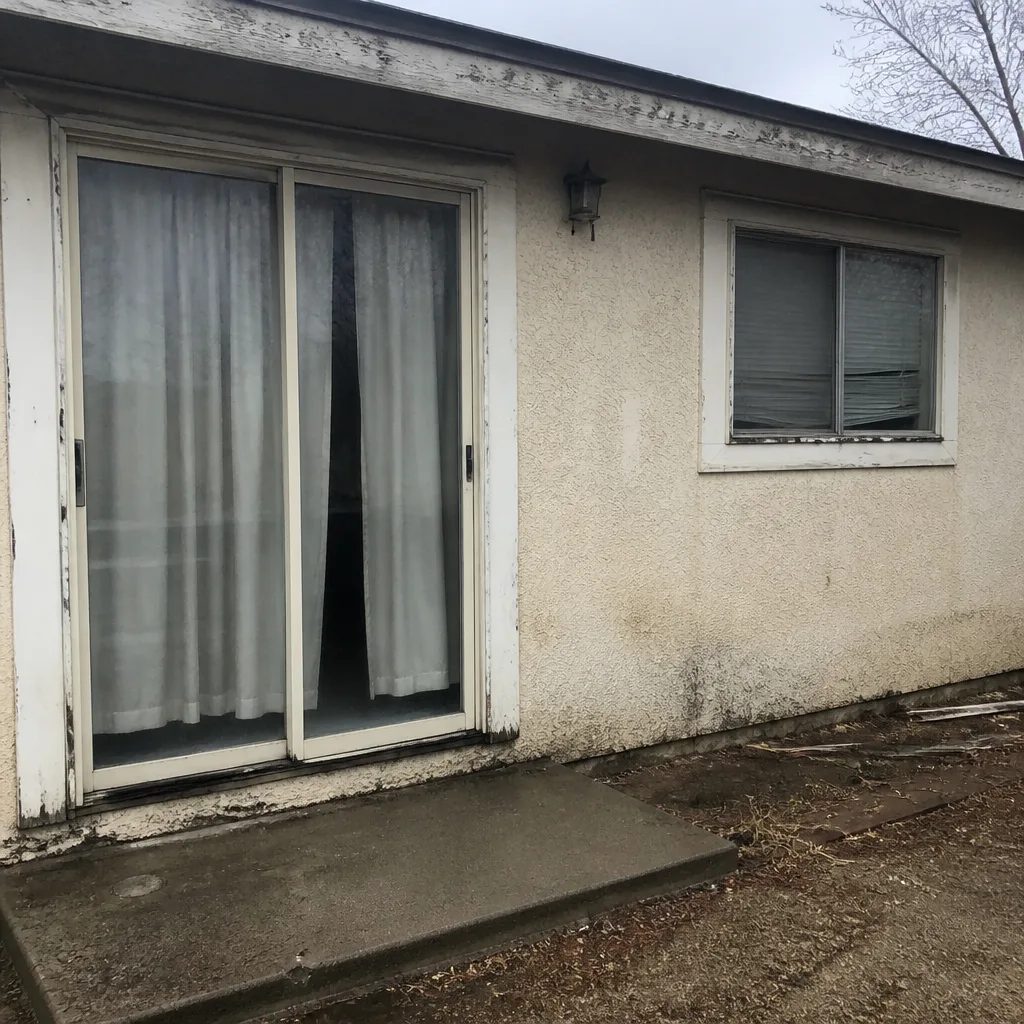 Before
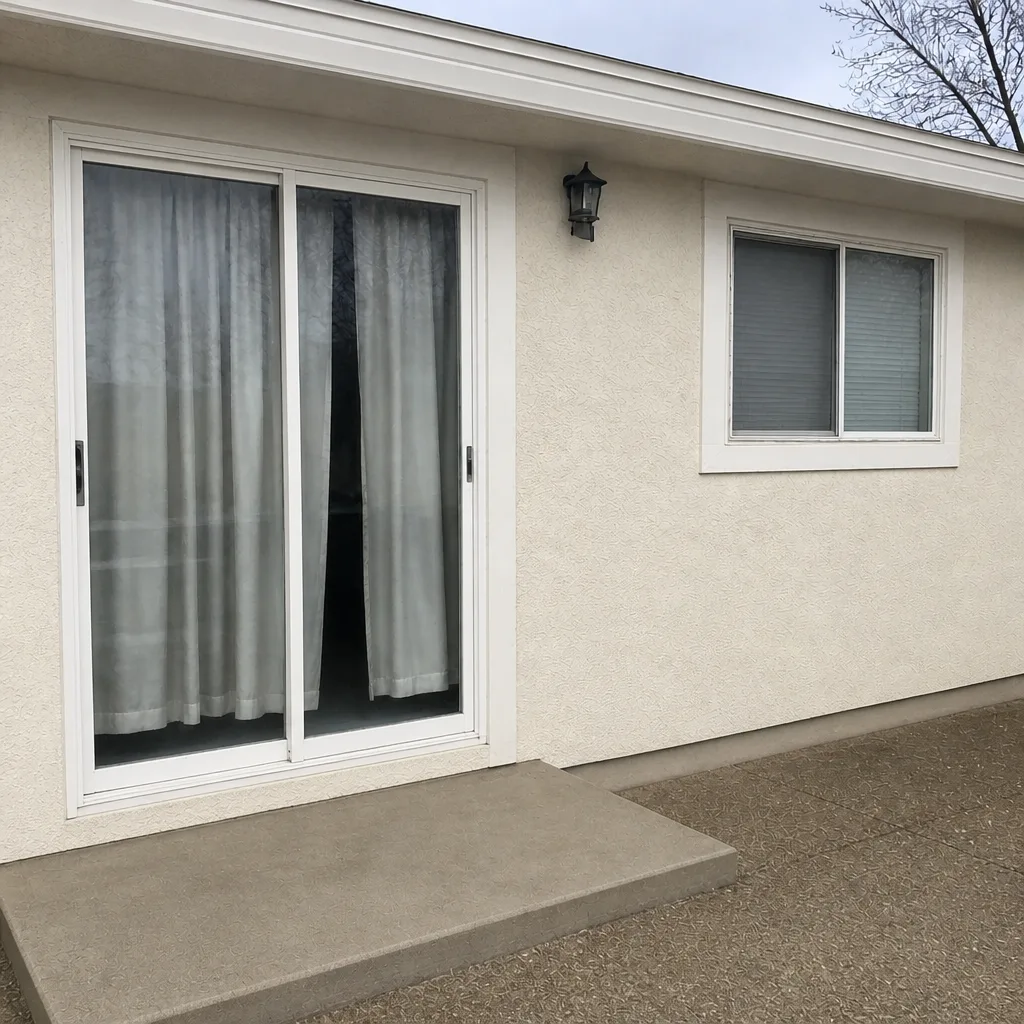 After
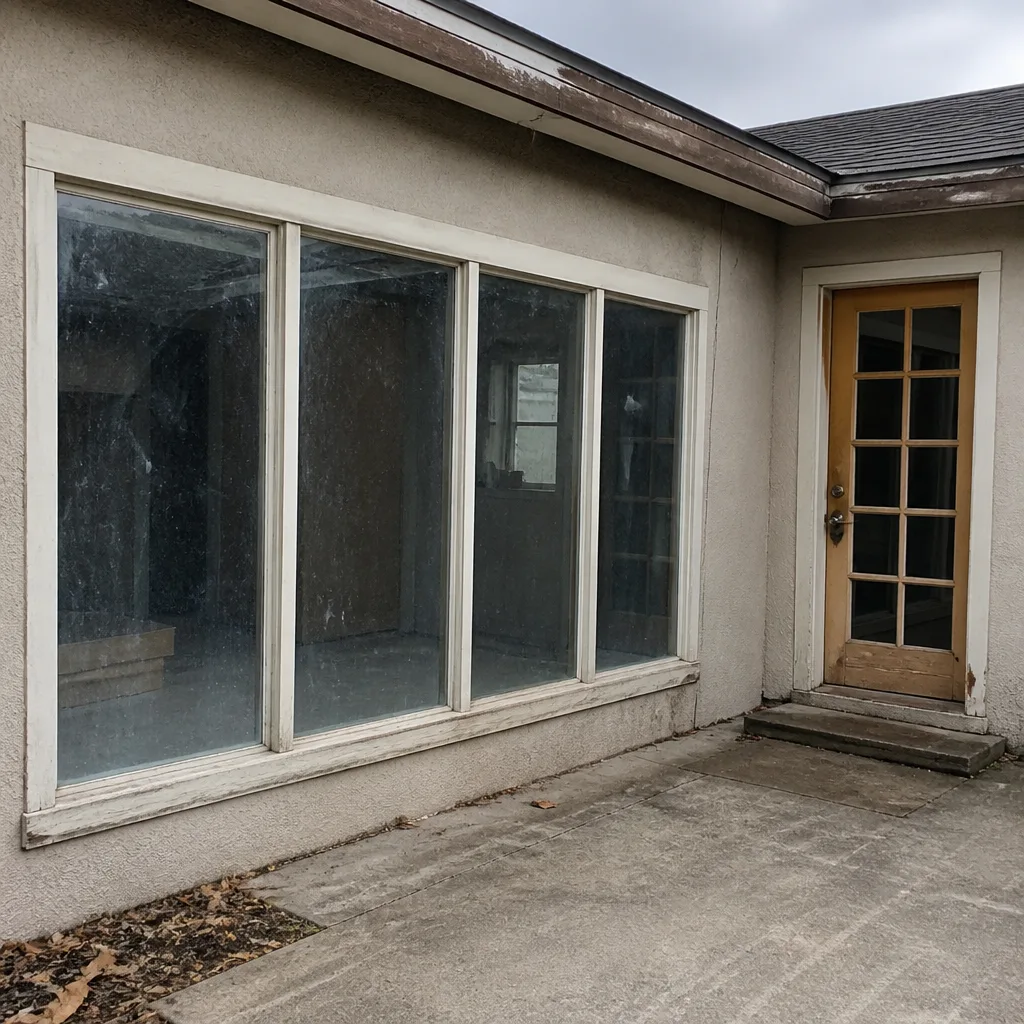 Before
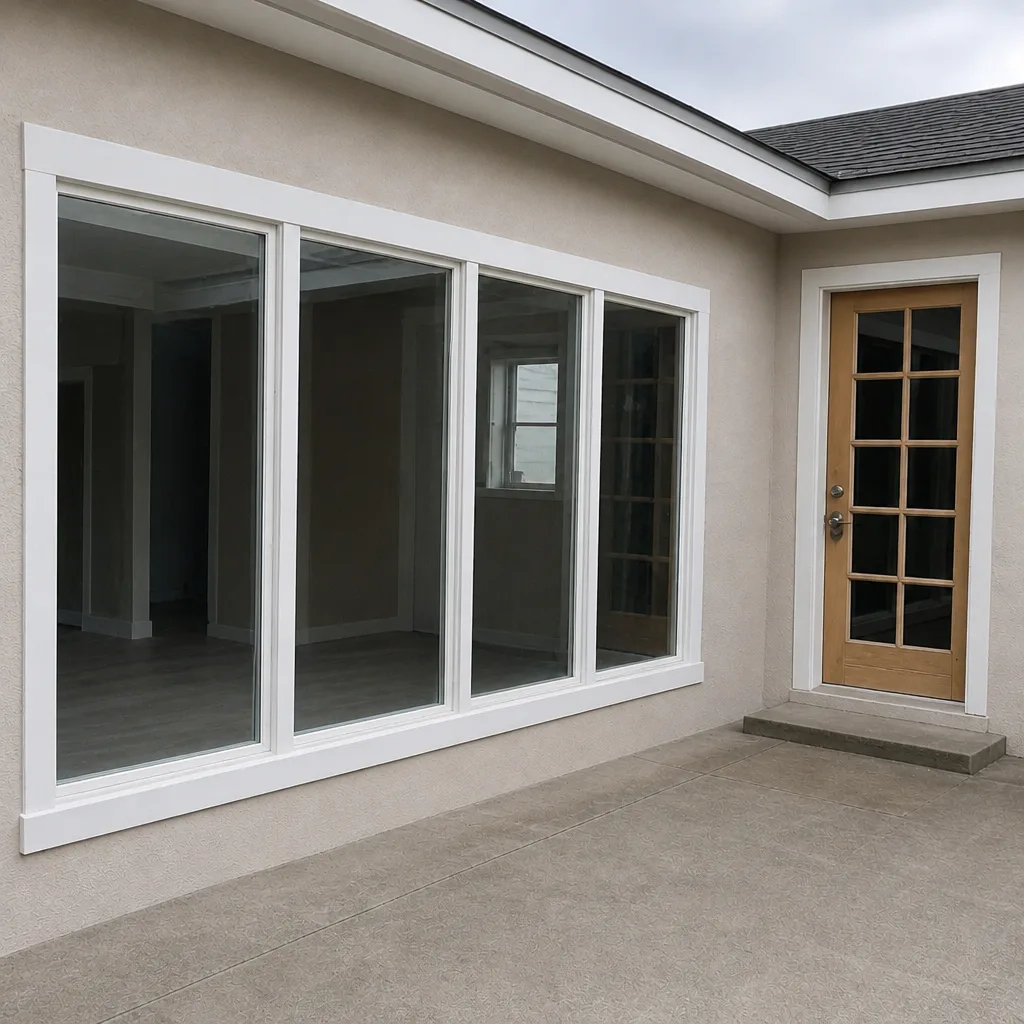 After
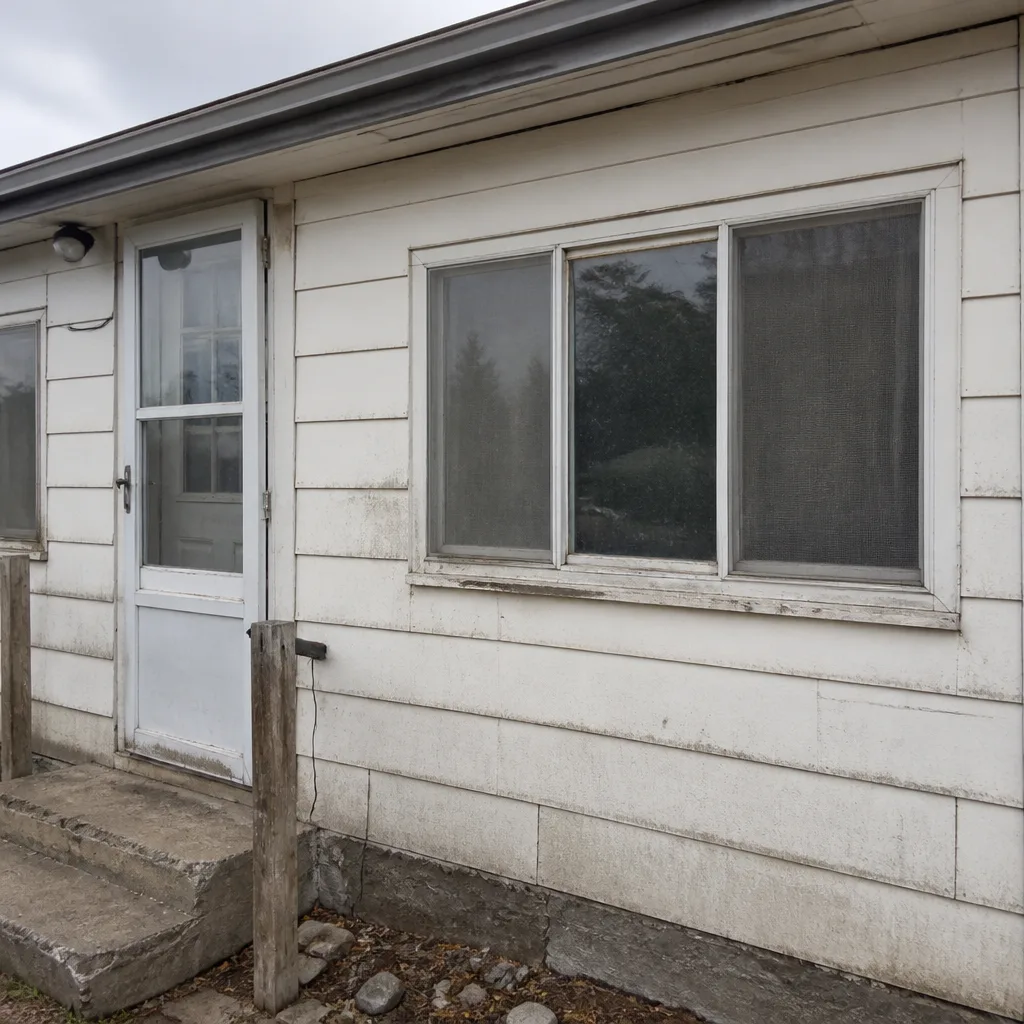 Before
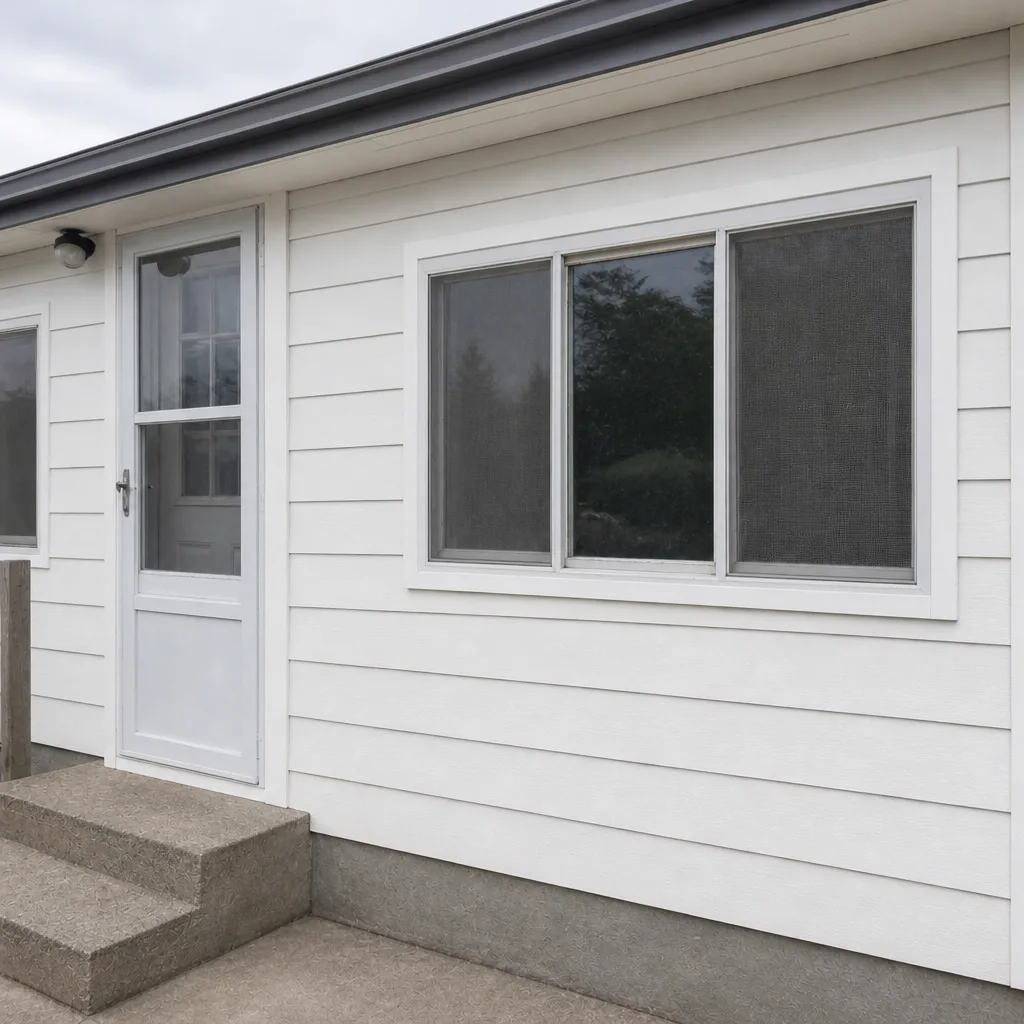 After
When to Call a Professional
Some window and door work is not a weekend project, and the line between “manageable” and “call someone” is worth drawing before you break out the pry bar. Call a professional when the glass in a frame has failed its seal (fogging between the panes and water streaking are the tells), when a door binds in summer heat and won’t stay latched, or when you’ve got visible water intrusion at the sill or the head of a window after a monsoon. Call before you accept a bid that leaves out permitting, flashing, or disposal. And call if the rough opening on a planned replacement turns out to be out of square, rotted, or otherwise compromised once the old unit comes out. That last one has a way of escalating in ways a homeowner should not handle on their own.
TruePane Windows & Doors Enterprise offers free estimates in Enterprise. A live person answers the phone 24 hours a day, 7 days a week, and we quote manufacturer lines side by side on paper so you can see exactly what you’re buying. Call (844) 629-7617 to schedule yours.
Frequently Asked Questions
Window replacement in Enterprise in 2026 runs about $650 to $1,400 per unit installed for vinyl and standard aluminum, and $1,100 to $2,800 per unit installed for wood, fiberglass, and clad windows. A whole-home job of ten to fifteen windows typically lands between $8,000 and $25,000 depending on frame material, window type, and rough-opening condition. Call (844) 629-7617 for a free estimate on your specific openings.
It shouldn’t, if the quote was written after a full exterior and interior inspection with each line item broken out and a stated contingency for rough-opening repair. The only honest reason for a mid-job change is a hidden structural surprise that no bidder could have seen before demo day, and a fair quote names that possibility up front. Ask for line-item pricing in writing, including permit fees, disposal, and flashing, before you sign. Call (844) 629-7617 and we’ll show you what a complete quote looks like.
Yes, permits are part of the job. Replacement window and door permits in Clark County run roughly $120 to $400 for a typical residential project, and pulling them is not a homeowner task on work that touches the exterior envelope and energy code compliance. A passed inspection is documentation that protects you. Call (844) 629-7617 for a free estimate that includes permit scope.
Most full-home replacement jobs in Enterprise finish in one to three days, with a typical ten to fifteen window job landing in two working days. A single door replacement or a handful of windows is often done in one visit. Rough-opening repairs or stucco and drywall restoration can extend the schedule by a day or two, which is why those items need to be priced honestly up front. Call (844) 629-7617 to get a schedule estimate for your project.
NV Energy offers residential rebates for qualifying window and door upgrades, and the specific per-unit amount changes as the program year turns over, so verify the current figure with NV Energy directly before budgeting. Your window needs to meet the program’s U-factor and SHGC requirements and be installed to spec for the rebate to apply. The paperwork has to be filed correctly and promptly. Call (844) 629-7617 to talk through which window lines qualify.
If both manufacturer warranty layers were registered in writing before the installer left, a failed seal is covered under the glass unit warranty and replacement hardware comes at no cost to you. If neither warranty layer was registered, you carry the full replacement cost, which for a single window in this market is $650 to $1,400 plus labor. That is why we register both layers with durations stated on paper for every job, and back the workmanship with a 90-Day Done Right Promise. Call (844) 629-7617 for a quote that includes warranty registration.
The Bottom Line
The number on a window or door quote is not the cost. The cost is that number plus the variables the quote leaves blank: sill pan flashing, disposal, permit fees, rough-opening repair, and warranty registration. Add those up honestly and you close the 11 to 23 percent gap that catches so many Enterprise homeowners off guard. Ask for line-item pricing on paper. Insist on a full interior and exterior inspection before any number is written. Get written confirmation that both warranty layers are registered with durations stated. And when you’re ready for a quote that lists every line, with upfront pricing and no surprises on the bill, call us. The work gets done right the first time, in a single visit on most jobs, because we plan to be in this town for a long time to come.
Written by the team at TruePane Windows & Doors Enterprise.