
Last updated November 17, 2026
 Sliding glass doors
 Single hung
 Double hung
 Horizontal roller
 Casement
 Bay & bow
 Entry doors
 Impact garage doors
 PGT
 CGI
Free in-home measure and quote - PGT, CGI and CWS impact lines compared on your actual openings, style by style
Get your free estimateWindows & Doors Permits, Codes & Inspections in NV: What You Need to Know
A Clark County resale inspection flagged an unpermitted window replacement in 2023. The buyer’s lender would not fund the loan until the work was opened up, re-inspected, and re-closed. The homeowner paid twice for the same window – once to the installer who skipped the permit, and again to the crew who had to bring it into compliance. That is the reality of window and door work in Nevada: a permit is not a stack of paperwork. It is the difference between an improvement that adds documented value to your property and a liability that surfaces years later at the worst possible moment. This guide explains what triggers a permit in Clark County, what inspectors actually check, and how a homeowner in Enterprise can protect themselves before the first nail goes in.
Quick Answer
In Clark County, straight like-for-like window and door replacements in single-family homes generally fall under an over-the-counter permit or may be exempt if the opening size and framing are unchanged, but any project that alters opening size, changes a header, affects structural framing, converts a window to a door, or touches egress requirements requires a full building permit and inspections. All replacement windows sold and installed in Nevada must also meet the state-adopted energy code – 2018 IECC standards for Climate Zone 3B – with verified U-factor and SHGC ratings documented on the NFRC label. Unpermitted window work can void portions of your homeowner’s policy and create title complications at resale until it is corrected and re-inspected.
Styles & brands we work with
- Single hung
- Double hung
- Horizontal roller
- Casement
- Bay & bow
- Sliding glass doors
- Entry doors
- Impact garage doors
- PGT
- CGI
Table of Contents
- Which Window and Door Projects Require a Permit in Clark County?
- Nevada Energy Code: U-Factor and SHGC Requirements
- Rough-In Inspection vs. Final Inspection: What Each One Catches
- The Permit Process for Enterprise Specifically
- What Happens When Unpermitted Window Work Is Discovered
- Title Insurance, Homeowner’s Insurance, and Resale
- How to Vet an Installer Before Signing
Which Window and Door Projects Require a Permit in Clark County?
This is where most homeowner confusion starts. The distinction in Clark County is between a like-for-like replacement, which is treated as routine maintenance in many cases, and anything that changes the opening itself. If a window goes back in the same hole with the same dimensions and no framing is touched, you are usually in the lighter or exempt category. If anything structural changes, you are in permit territory.
The following projects require a Clark County building permit:
- Enlarging or reducing a window or door opening. Cutting a new opening or shrinking an existing one changes the load path on the wall and requires an inspector to verify the framing.
- Header changes. Any time a header is added, replaced, or resized, the structural engineer’s or architect’s drawings come into play, and a permit with inspections is mandatory. This is the single most common trigger.
- Window-to-door conversions or door-to-window conversions. Changing the use of an opening means egress and safety glazing rules now apply where they did not before.
- Adding new openings. A new slider out to the patio or a new bedroom window is new construction, plain and simple.
- Egress window alterations in sleeping rooms. Bedroom egress requirements in the International Residential Code are strict, and any change to a bedroom window triggers review.
- Any change to safety glazing near doors, tubs, or stairs. If the glass proximity to a walking surface changes, the code has an opinion.
For a straight replacement where nothing structural moves, we still document the opening dimensions and the energy ratings, because Clark County inspectors and resale inspectors alike want that paper trail. In Enterprise, where a large share of housing was built in the 1980s and 1990s, we routinely find original single-pane aluminum windows being replaced with vinyl or fiberglass units – and if the installer quietly enlarges the opening “a little” for a better fit, the job now needs a permit that was never pulled.
The practical rule: if the framed hole in the wall changes, you need a permit. If it does not, you need documentation. Our window installation in Enterprise team treats the permit question as part of the estimate, not an afterthought, because we would rather have the conversation before the work than after a paperwork problem.
Nevada Energy Code: U-Factor and SHGC Requirements
Nevada has adopted the 2018 International Energy Conservation Code, which places the Las Vegas Valley – including Enterprise – in Climate Zone 3B: hot and dry. For replacement windows, that code sets two hard numbers that inspectors actually verify: the U-factor, which measures how fast heat moves through the glass, and the Solar Heat Gain Coefficient, or SHGC, which measures how much solar heat the window lets in. In Zone 3B, you need low U-factor and low SHGC to keep a house cool through a Southern Nevada summer, and the code minimums are strict enough that a low-cost window with a clear single pane will not meet them.
Here is how compliance gets verified on site:
- The NFRC label. Every window and door sold in Nevada carries a National Fenestration Rating Council label showing U-factor, SHGC, and visible transmittance. Inspectors look for the label or a manufacturer certificate.
- Manufacturer compliance certificate. For jobs where labels are removed at install, we keep the manufacturer’s code compliance documentation with the permit packet so it can be handed to the inspector. This is not optional paperwork – it is the proof.
- Glazing spec on the plan. If the permit drawing specifies the glass, the inspector checks that the glass installed matches. A different glazing package than the one on the plan is a red tag.
- Spacer and frame verification. A warm-edge spacer and a properly built frame are part of what delivers the rated U-factor. Inspectors are paying attention to whether the unit is what was approved.
In Enterprise we see a real gap here. Summer temperatures hit 110°F, and a replacement window that passes a rough visual check but misses the SHGC minimum by a small margin will still bake a west-facing bedroom. Code minimum is a floor, not a target – but it is the floor the inspector enforces, and we make sure every unit we install carries the NFRC label and the paperwork to match, whether the job was a permitted full permit or a replacement without one. Our window replacement in Enterprise work always ships with the compliance documentation in the customer file.
Rough-In Inspection vs. Final Inspection: What Each One Catches
When a permit is pulled, the work is inspected at least twice, and the two inspections catch very different failures. A rough-in inspection happens after the framing and rough opening are complete but before the window is permanently installed and trimmed. The final inspection happens after installation. Understanding what each one catches is the difference between a job that gets signed off clean and one that gets a correction notice.
Rough-in inspection covers:
- The rough opening dimensions against the approved plan.
- Header sizing and framing around the new opening.
- King studs, jack studs, and whether the wall was framed correctly after the cut.
- Flashing at the opening prior to window installation.
- Sheathing condition and any structural repairs.
Final inspection covers:
- The installed unit matching the approved glazing spec (U-factor and SHGC documented).
- Flashing, sealant, and weather-tightness at the perimeter.
- Operation of the window or door – does it open, close, and latch smoothly.
- Safety glazing placement and egress clearance in sleeping rooms.
- Trim, thresholds, and finish work that could affect safety.
The most common gap we see in Enterprise is flashing. If the head flashing is wrong, it will not show up at rough-in and it will not show up at final. It shows up two monsoon seasons later as a water stain on the ceiling near the opening. That is why we use the rough-in stage to inspect how the opening was prepared, not just to confirm dimensions, and why every technician on our team measures each opening twice. The door installation in Enterprise work faces the same rule: threshold flashing and sill pans are checked before the door goes in, not after.
The Permit Process for Enterprise Specifically
Enterprise falls under Clark County jurisdiction for building permits. The county runs an online permit portal where homeowners and contractors can submit applications electronically, upload plans, pay fees, and schedule inspections. This has made the process faster than the paper permit desk of 15 years ago, but it has not made it instant – and the turnaround depends on the type of permit.
Here is the step-by-step process we follow for a permitted window or door job in Enterprise:
- Determine the permit type. A like-for-like replacement may qualify for an over-the-counter or express permit. A structural change goes through the full plan review.
- Assemble the submittal. This includes the contractor’s license information, a site plan or project scope, manufacturer spec sheets showing U-factor and SHGC compliance, and, for structural work, engineered drawings or drawings by a licensed design professional.
- Submit through the online portal. We upload everything electronically, keep a copy of the submittal, and track status. Attachments the county needs for a permit package: proof of licensing, proof of insurance, and, in some cases, a homeowner authorization signature.
- Pay plan review and permit fees. Fees scale with project valuation. A single-window structural change is a modest fee; a whole-home replacement or structural addition is higher.
- Wait for plan review. Express permits often turn in a few business days. Full plan review runs longer, and structural submittals run longer again. We tell customers the honest window of time rather than promising same-day approvals that will not happen.
- Schedule the rough-in and final inspections. The county inspector visits the site, walks the work against the approved plan, and signs off. We are on-site for every inspection.
For a homeowner paying five figures for a window or door project, the permit process is not a speed race – it is the paper trail that makes the project a documented asset. That is why our estimates include the permit line item with a real cost, not a surprise floating fee. If you want a straightforward read on what your project involves, our TruePane Windows & Doors Enterprise home page breaks down how we handle a first call and a first estimate.
What Happens When Unpermitted Window Work Is Discovered
Unpermitted window work usually gets discovered at one of three moments: a resale inspection, a homeowner’s insurance claim, or a complaint from a neighbor or HOA about a project that was never closed out. The discovery is not the expensive part. The correction is.
What homeowners in Enterprise should expect if unpermitted work is flagged:
- Open, inspect, and re-close. The only way to cure an unpermitted structural opening is to expose the framing, have it inspected, and re-close it. That means paying for labor and materials twice on the affected portion.
- Permit after the fact. Clark County allows a permit to be pulled after the fact, but the fee schedule is not the same, and the work still has to pass inspection.
- Possible stop-work order. If the county becomes involved mid-project, unpermitted work can be ordered stopped until permits are in place. That can hold up a sale or an unrelated remodel.
- Warranty voided. Many manufacturer warranties on windows and doors require installation in accordance with the manufacturer’s written instructions, and that includes code compliance. No permit means no documented compliance, which gives a manufacturer grounds to deny a claim.
The correction is almost always more expensive than the permit would have been. A $300 permit line item versus a $2,000 open-and-re-close correction is not a difficult comparison. We have walked into Enterprise homes where a previous installer removed a window and re-framed the opening with no permit, and the homeowner had no idea until the appraiser flagged it during a refinance. The fix involved weeks of scheduling and a repair cost that dwarfed the original savings.
Title Insurance, Homeowner’s Insurance, and Resale
The two insurance products most homeowners associate with their property – title insurance and a homeowner’s policy – handle unpermitted work in different ways, and neither one protects you the way most people assume.
Title insurance protects against defects in the title, not against defective work. Unpermitted window work does not usually appear on a title report as a title exception, but it does surface in the resale inspection or the appraiser’s report. When that happens, a lender may require the work to be brought into compliance before funding. That is exactly what happened in the 2023 Clark County case at the top of this guide. Title insurance does not pay to cure a code violation. It pays for a claim against title. There is a meaningful difference.
A homeowner’s policy covers sudden and accidental damage, and it can handle a water intrusion claim from a failed window flashing. But carriers increasingly exclude coverage for work that was not permitted or not built to code, and if a claim traces back to a non-compliant installation, the carrier can deny it. The fine print on that exclusion is real, and it has denied real claims.
What protects a resale in Enterprise is documentation. A permit record, a final inspection sign-off, the NFRC label records, and both manufacturer warranty registrations. That is exactly the paper trail The Keystone Standard is built on – both warranty layers registered in writing, durations stated, before the truck leaves the driveway.
How to Vet an Installer Before Signing
The permit question is also a test of the installer. A company that skips permits or waves off the code conversation is telling you something about how it handles everything else. When you are comparing bids in Enterprise, ask these questions directly:
- Will this project require a permit, and is the permit cost included in the bid? A written answer, not a verbal one, is the standard.
- Who pulls the permit? The licensed contractor should be the permit applicant, not the homeowner. A homeowner pulling a permit on the contractor’s behalf shifts the liability onto you.
- What are the U-factor and SHGC ratings of the units you are quoting? A real installer will have the numbers on the proposal. If they have to look it up, keep looking.
- Do you register both manufacturer warranty layers? Material warranty and glass or seal warranty are two separate registrations from a manufacturer, and they have separate durations. Get the durations in writing.
- Are you licensed and insured? We are licensed and insured, and we put that on the paperwork, not just in the sales pitch.
- What is the workmanship guarantee, and for how long? Every TruePane job is covered by the 90-Day Done Right Promise, and the written promise travels with the job file.
One more comparison test: ask for the manufacturer lines side by side on paper. We are an authorized installer for more than a dozen manufacturer lines, including Andersen, Pella, Marvin, Milgard, and Therma-Tru, and we put those lines side by side so a homeowner can see exactly what they are buying. Our technicians have up to 18 years of experience, and each one has been trained to measure the opening twice before the order goes to the manufacturer. See how that plays out on a typical job, or ask for the manufacturer comparison on a door install.
Common Mistakes to Avoid
- Assuming like-for-like replacement never needs a permit. It often does not – but “often does not” is not “never.” If the opening size changes by an inch, you are in permit territory. Ask the question before the contract is signed.
- Letting the installer pull a permit on the homeowner’s license or signature. The licensed contractor should be the permit applicant. A homeowner who signs as the applicant owns the correction if the work fails inspection.
- Skipping the NFRC label review. A window that does not hit the Zone 3B U-factor and SHGC minimums will fail a final inspection and will bake a west-facing room in July. Ask for the label in writing before order.
- Treating rough-in as a formality. The flashing at the head of a new opening is worth checking at rough-in, so a leak never makes it to drywall. Once the trim is on, the mistake is invisible until it is expensive.
- Accepting a verbal warranty promise. Both manufacturer warranty layers have written registration requirements. If your installer cannot name the durations and show you the registration, the warranty is not real.
- Skipping the resale audit. If you plan to sell in the next five years, pull the permit records for every window and door project on your property before listing. It is much cheaper to fix a gap now than to negotiate it under contract pressure.
- Choosing the cheapest bid. The cheapest bid in a Southern Nevada window market is usually the one missing the permit, the label, and the warranty registration. Those three items cost more to add later than to include on day one.
See the difference
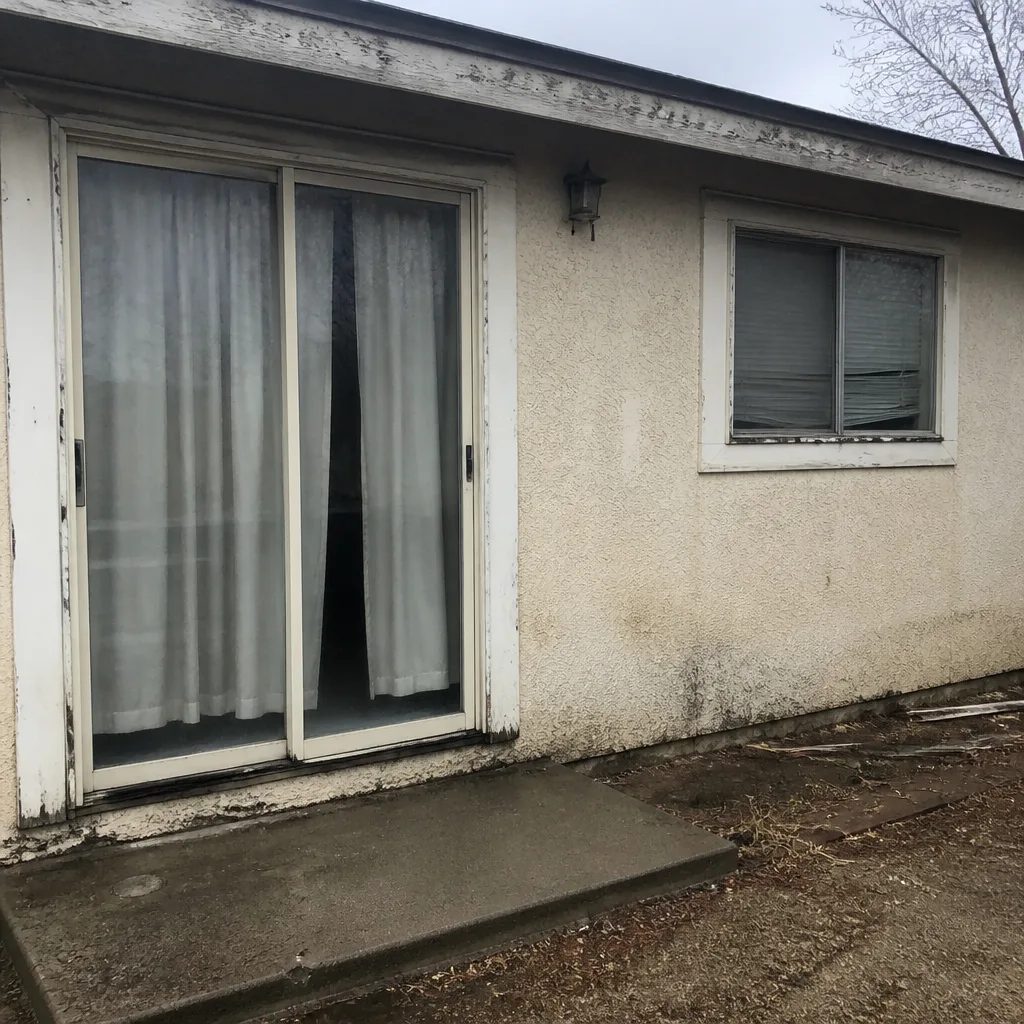 Before
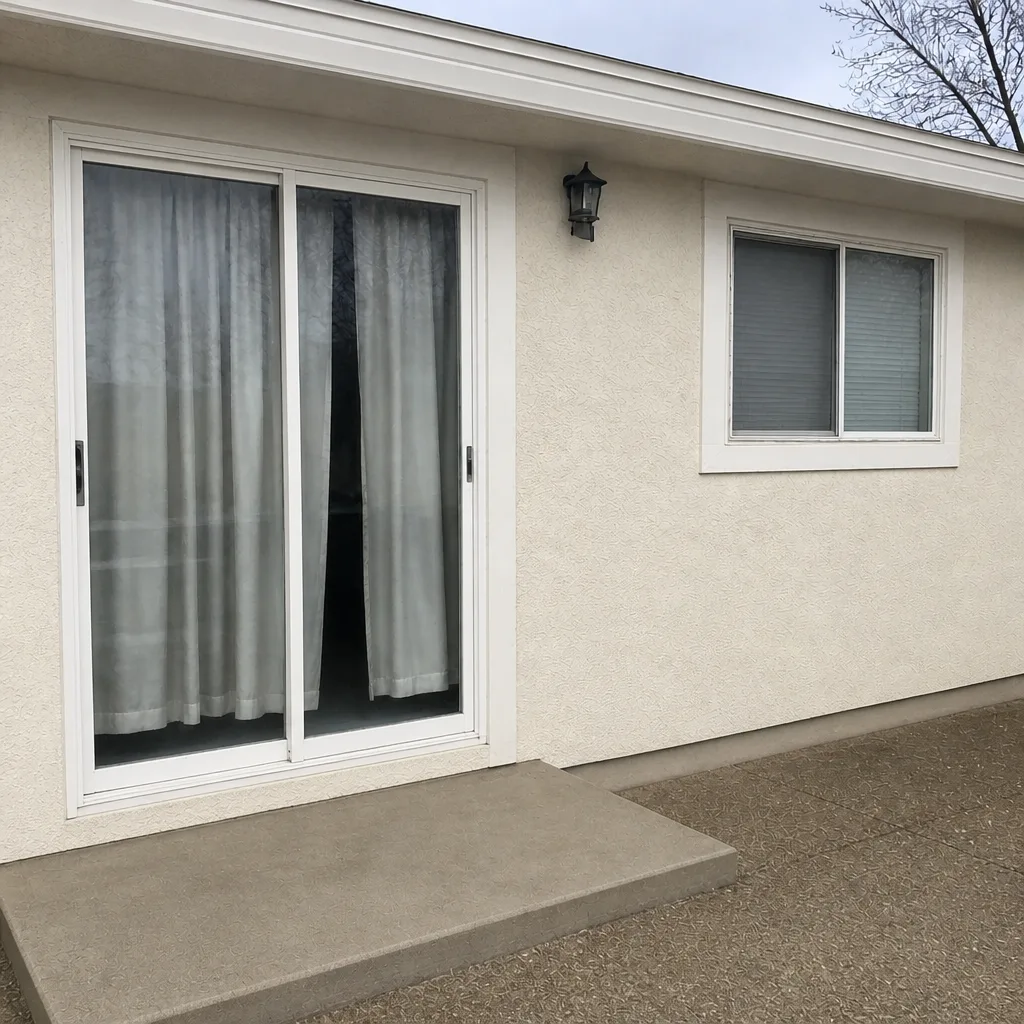 After
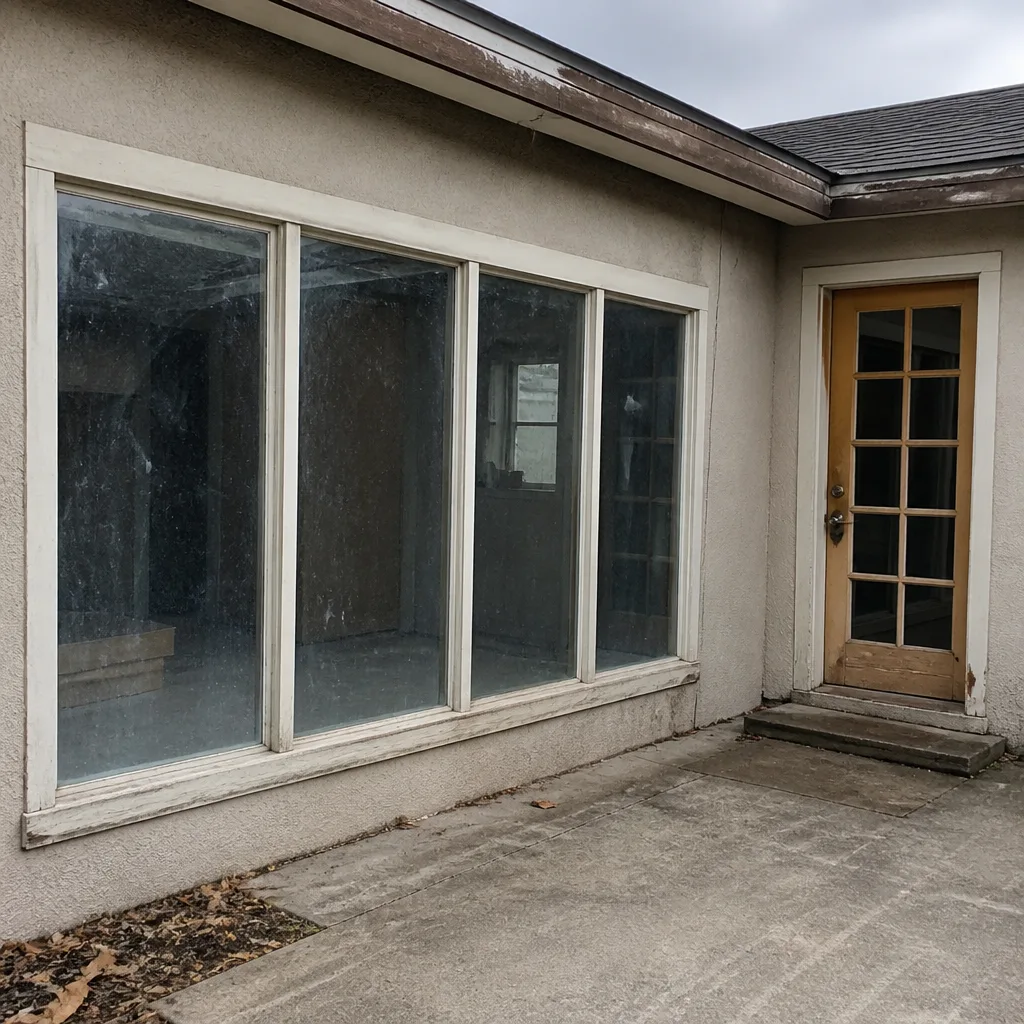 Before
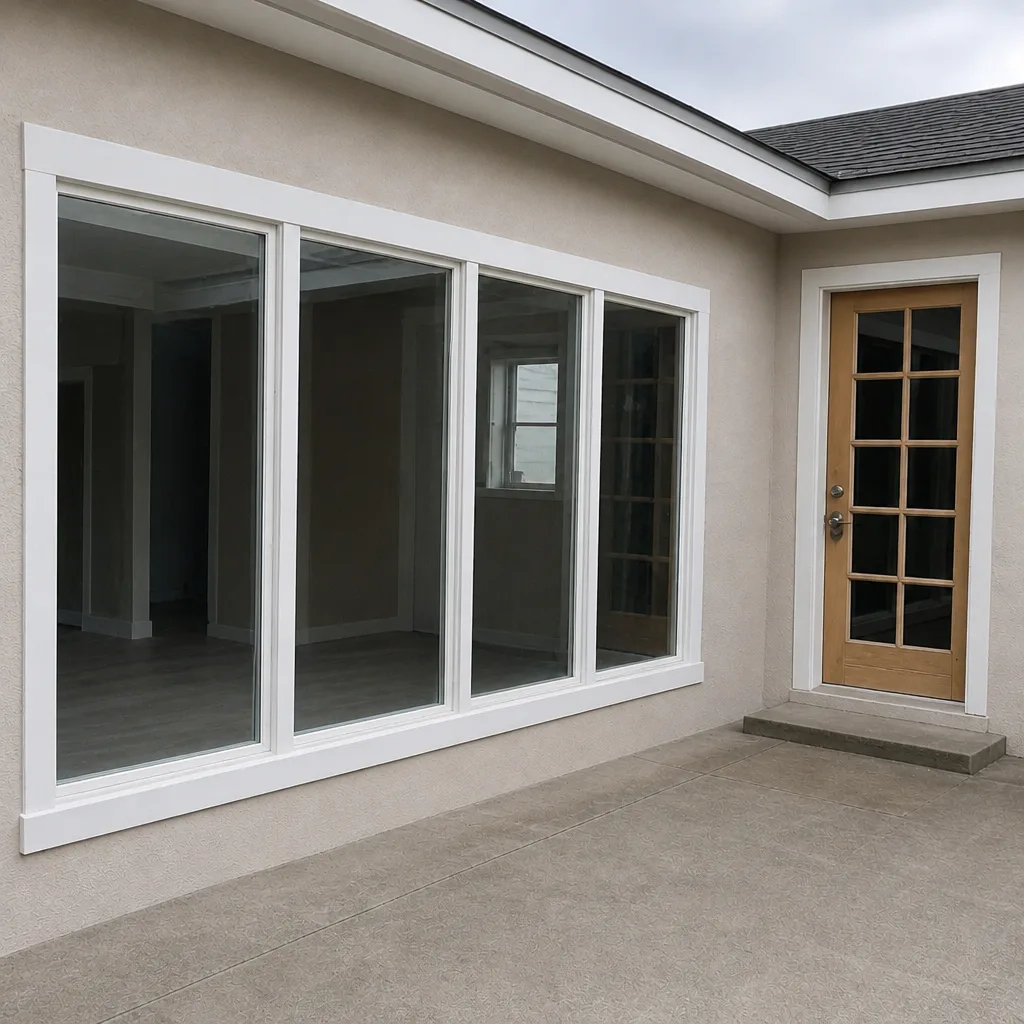 After
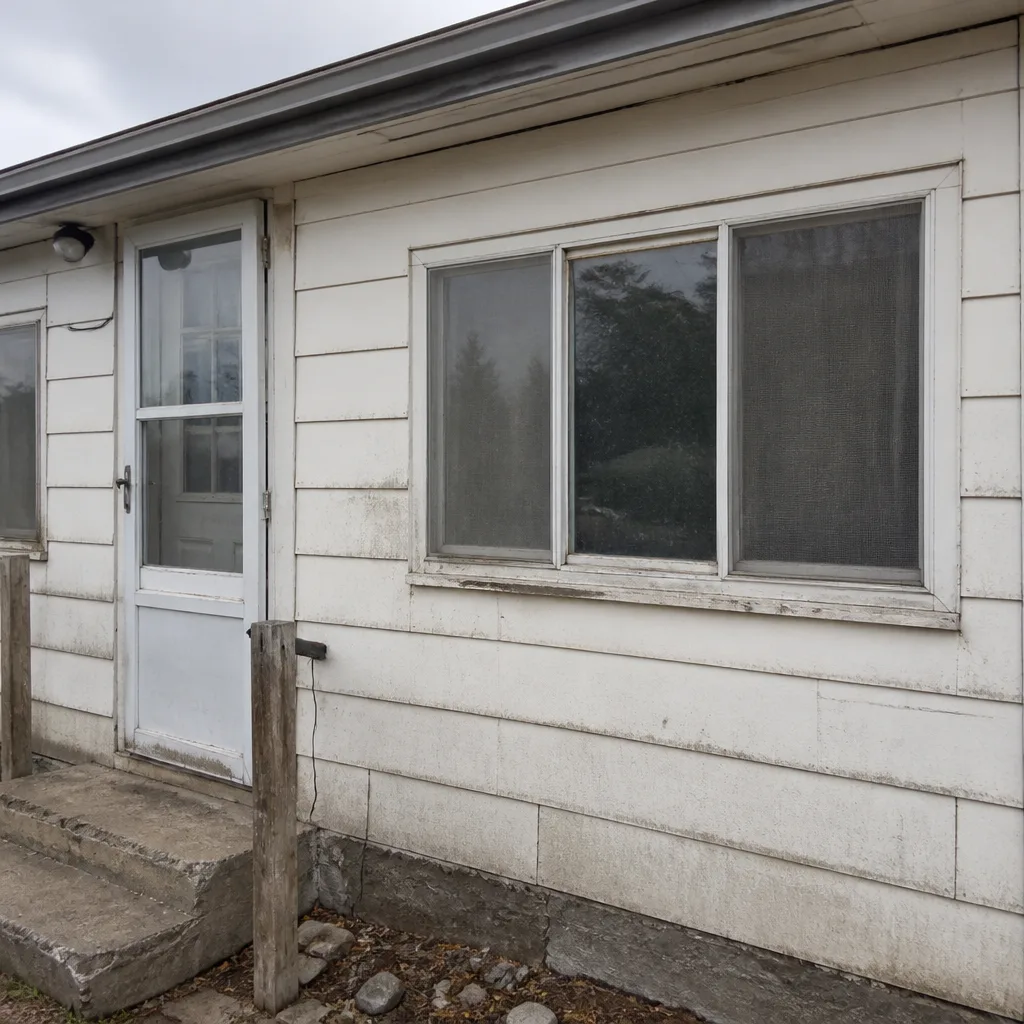 Before
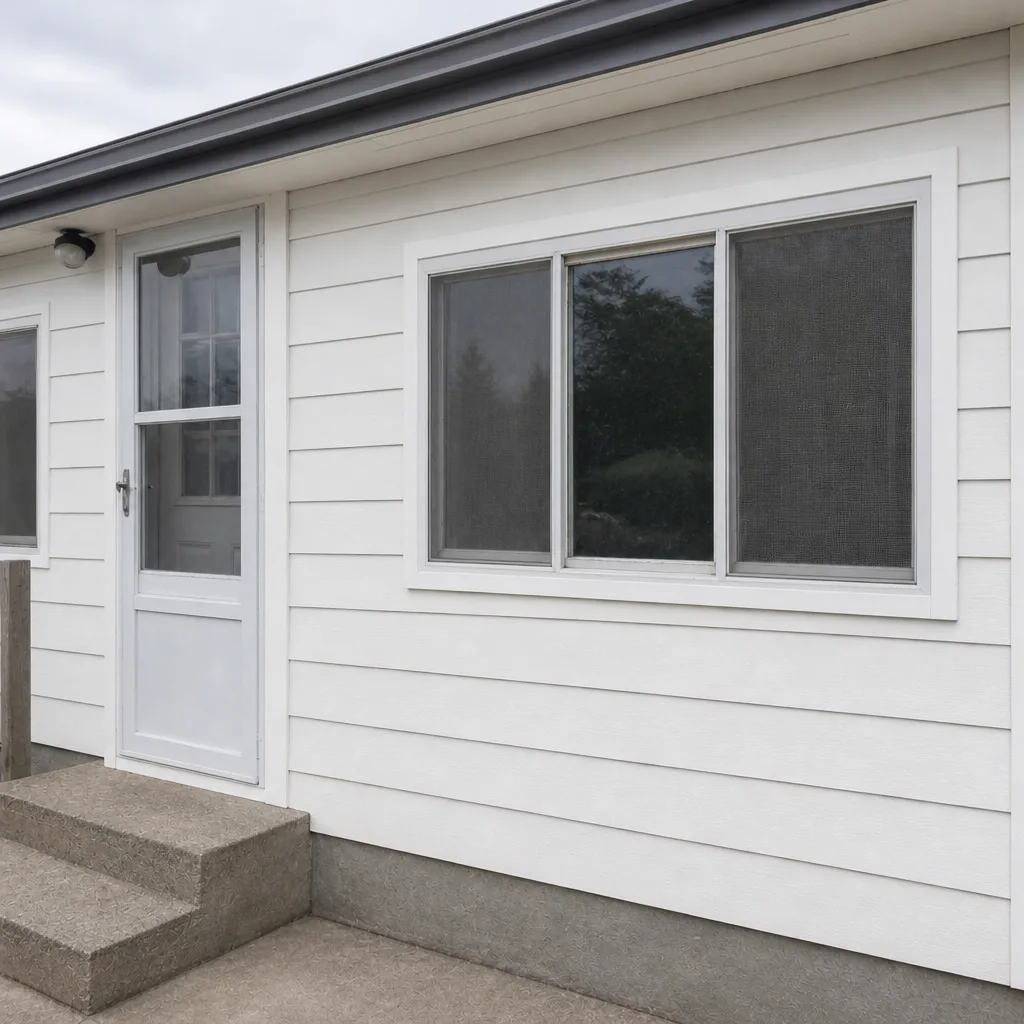 After
When to Call a Professional
A window or door problem is not a handyman project when it involves structural framing, permits, or energy code compliance. Call a licensed professional if you are planning any project that changes an opening in your exterior wall, if you are replacing a bedroom egress window, if a prior installer left you with a fogged seal and you suspect the unit was never permitted, or if you are heading toward a sale or refinance and don’t have the permit record in hand. It is also worth a call if your existing windows are 20 or more years old and single-pane – that is the point at which the energy code and the product both changed, and the gap shows up in your summer power bill. TruePane Windows & Doors Enterprise offers free estimates in Enterprise – call (844) 629-7617. We answer the phone with a live person, day or night, and we put the permit line item and the energy ratings in writing on the estimate.
Frequently Asked Questions
It depends on the project. A straight like-for-like replacement where the opening size and framing are unchanged often qualifies as routine maintenance or a lightweight over-the-counter permit; any change to opening size, header, framing, egress, or safety glazing requires a full building permit with rough-in and final inspections. The safe rule in Enterprise is to ask the installer to put the permit answer in writing on the estimate. Call (844) 629-7617 for an exact read on your project – estimates are free.
Nevada has adopted the 2018 IECC, and Enterprise sits in Climate Zone 3B, hot and dry. Replacement windows must meet the code’s U-factor and SHGC minimums for that zone, verified by the NFRC label and manufacturer compliance documentation. In practice, that rules out clear single-pane and low-end double-pane units in west and south exposures. Call (844) 629-7617 and we’ll walk through the label on the exact unit you’re considering.
The work has to be opened, inspected, and re-closed before the sale can clear the lender’s requirements in many cases, and the correction cost usually exceeds the original permit cost several times over. A Clark County resale inspection flagged exactly this scenario in 2023, and the homeowner paid twice. Call (844) 629-7617 before you list if you’re unsure of your permit record – we can pull the record and tell you where you stand.
Express or over-the-counter permits often turn in a few business days, while full plan review for a structural project runs longer, and structural submittals run longer again. The honest answer for any specific project depends on the permit type, and we tell customers the honest window rather than promising an approval timeline that will not hold. Call (844) 629-7617 for an exact read on your project.
No. We quote in writing with no surprise line items, and the permit cost is included in the estimate as a real line, not a floating fee. The one situation that legitimately changes a price is if invisible damage – rotted framing, a failed header, a sheathing problem – surfaces when the window is opened up, and we stop and explain before we touch it. Call (844) 629-7617 to schedule a free estimate with the honest number up front.
We pull them. The licensed contractor should be the permit applicant, not the homeowner, and we handle the submittal, the plan review, and the rough-in and final inspections as part of the job. We also register both manufacturer warranty layers before the truck leaves the driveway – durations stated, no paperwork fights. Call (844) 629-7617 to talk through the permit and warranty on a project in Enterprise.
The Bottom Line
In Clark County, the permit is the asset. A window or door project with a closed permit, a final inspection sign-off, NFRC labels on file, and both manufacturer warranty layers registered has real documented value at resale – and a project missing those items is a liability that surfaces when a buyer’s lender asks to see the record. In Enterprise, where the housing stock spans several decades and the climate pushes the energy code hard, the difference between a documented job and an undocumented one is measured in thousands of dollars. The permit is the cheap part. Getting it right the first time is the whole point. We’ve been doing this work in local communities for more than 42 years, and the founding rule has not changed – if the pane is not true, the job is not done. Call (844) 629-7617 for a free estimate, and we’ll put the permit, the energy ratings, and the warranty in writing before anything moves.
Written by the team at TruePane Windows & Doors Enterprise.